
Camping with toddlers: how to plan a first trip
Camping with toddlers can work if you keep it close to home, short and simple. Here is how to plan sleep, safety and snacks for a first trip.
Élodie Fontaine4 min read
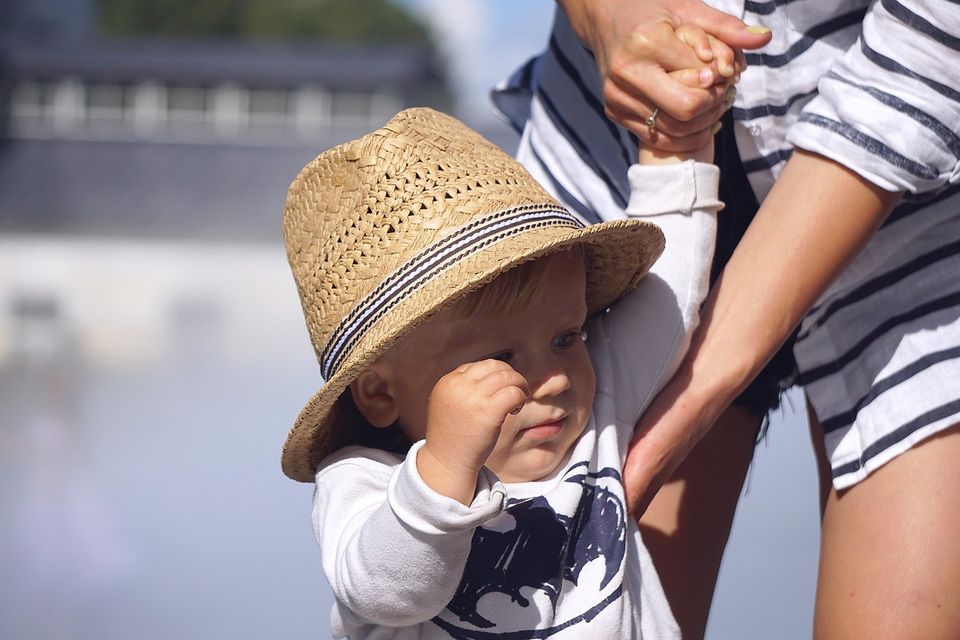
Camping with toddlers works when the trip is short, close and flexible. You are not going camping. You are going to a different place to do the same things: sleep, eat and play.
Plan for sleep first. The rest follows.
Start with a short trip close to home
One or two nights, under an hour from home. If the first night goes badly, you can leave. That one option makes everyone calmer.
Pick a site with toilets, water and a flat pitch. Large open sites with a car park beside the pitch are easier than remote ones. Check the site page for rules about children, pets and fires.
What goes wrong first. The long drive. A toddler who is already tired and bored arrives at camp upset. Fix: leave around nap time so they sleep in the car.
Sleep: aim for warm, dark and familiar
A toddler sleeps best with the same routine as home. Bring the same book, the same toy, the same pyjamas.
- A pad under the sleeper. The ground takes heat from small bodies fast.
- A bag or layers that suit the cold end of the night. See the kids sleeping bag vs adult sleeping bag page for the size question.
- Sleep hats and dry socks. Small heads and feet lose heat first.
- A way to see in the night. A small lamp you control, not a bright one.
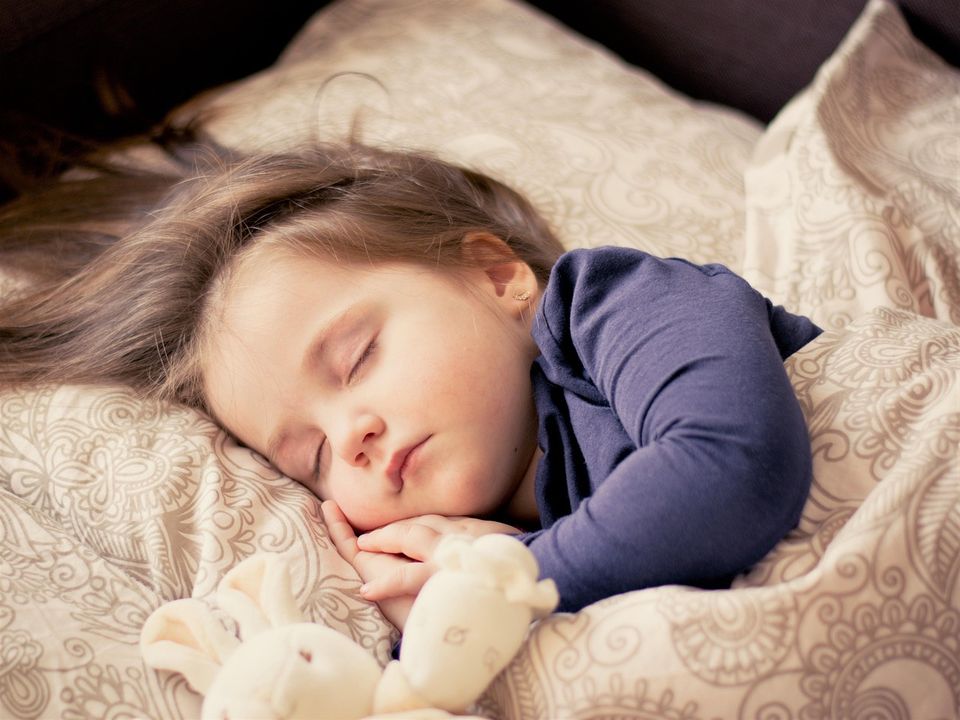
If you have a hard time getting a child down, see how to get kids to sleep in a tent.
Safety: set a boundary on arrival
Toddlers move fast and have no sense of danger. Walk the edge of the camp area with your child on arrival and point out the line. Keep them well away from the stove, the fire, the car and any water.
- Give an adult the job of watching the toddler at all times.
- Keep sharp tools and fuel out of reach, in a closed bin.
- Put a bright hat or top on your child, so you can spot them.
- Pack a first aid kit with items for cuts, stings and sunburn, and open it at home.
Know where the nearest help is, and how to call for it. Check the site's emergency details when you arrive.
Food and water
Snacks are the key. A toddler who is hungry cannot be reasoned with. Keep a bag of snacks within reach and offer water often, not only when asked. Bring the same cups, and foods they already eat. A trip is a bad time to try new food.
Water and fuel maths. Example only. Add up the people, including the toddler, times the days, times the water each person drinks, then add cooking, washing and hand rinsing, then a reserve. Toddlers need water for faces and hands as well as drinks, so plan extra.
Clothes: more than you think
Pack two spare outfits for each day, plus a rain layer and a warm hat. Toddlers get wet and dirty quickly. Quick-dry fabric is better than cotton. A pair of wellies or a spare pair of shoes is useful. Sun hats, sunscreen and shade matter in summer.
What goes wrong first. Wet clothes. Fix: pack a bag for dirty ones and a bag for clean ones, so they do not mix.
Keep expectations low
Plan one activity a day, such as a short walk or a stream, and leave gaps. Let the trip be slow. If it is not working, go home early and try again another day. For a longer packing system that scales to a family, see the family camping packing guide.
Quick questions
What age can you take a baby camping?
There is no single age. Talk to your child's doctor if you are unsure, especially for very young babies, and check the weather and your sleep setup carefully.
How do I keep a toddler warm at night?
Use a pad, a bag or layers that suit the temperature, a hat and dry socks. Check them during the night and adjust.
Is it safe to camp with a toddler near water?
It needs an adult watching at all times. Pick a site away from water for a first trip, or set a firm boundary.
What do I do when my toddler will not sleep?
Keep the bedtime routine, keep the tent dark and quiet, and stay calm. If it fails, a short night is fine.
More to read
Keep reading
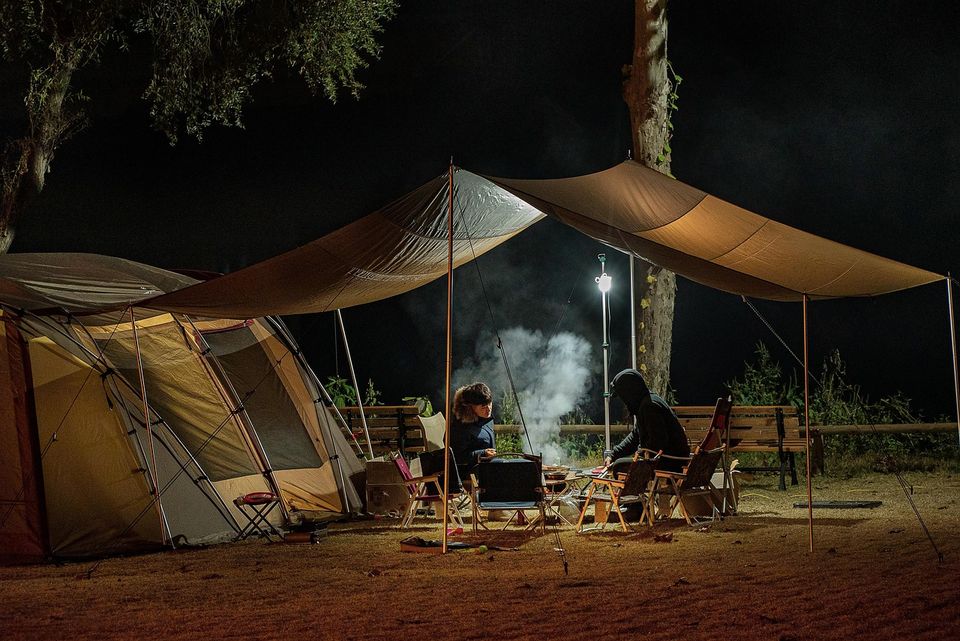
Kids sleeping bag vs adult sleeping bag: which to buy
Kids sleeping bag vs adult sleeping bag: a child-sized bag keeps a small body warmer because there is less empty space. Here is when to size up.
Élodie Fontaine4 min read

How to get kids to sleep in a tent on a camping trip
How to get kids to sleep in a tent: keep the home routine, make it dark and warm, tire them out in the day and plan for a late first night.
Élodie Fontaine2 min read
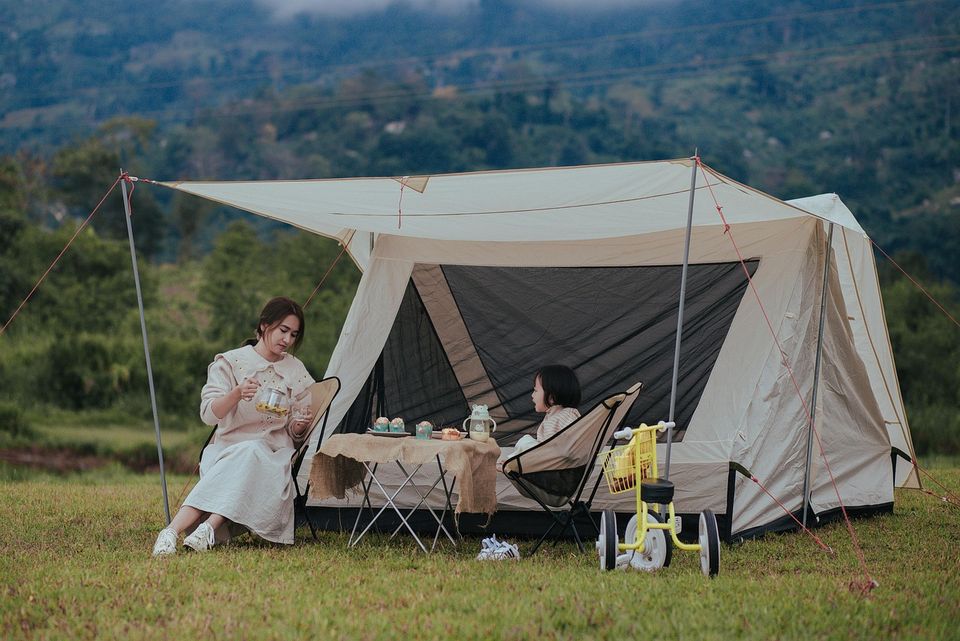
Why the second night of family camping is easier
A short column on why the first night of a family camping trip is the hardest, and why most families settle in by the second night.
Élodie Fontaine4 min read
Family camping packing guide
How to pack for a camping trip with children: sleep, food, safety, clothing and the extras that save the evening. Sorted by what goes wrong first.
Élodie Fontaine6 min read
What size tent for a family of four with kids
What size tent for a family of four? Pick a 6 person tent for comfort, a 4 person tent only if you pack light, and check the floor plan, not the label.
Karim Belkacem2 min read
Camping with a baby: how to plan a first overnight trip
Camping with a baby for the first time: pick an easy site, plan safe sleep, dress for the night, pack baby gear and keep a simple way out if it goes badly.
Élodie Fontaine5 min read