
What makes a night in the desert different
Field notes on the dark, the quiet, the cold and the wind that set a desert night apart, and what that changes about how you camp.
Karim Belkacem3 min read
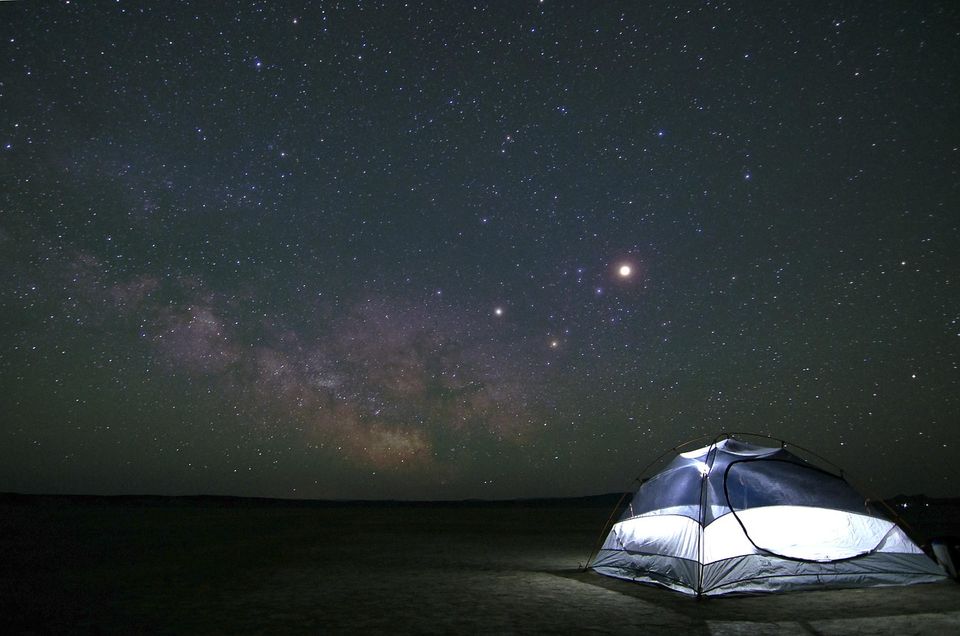
The first thing is the quiet. Not silence, exactly. Wind moves sand, a tent flaps, something small walks past in the dark. But after the car engine stops and the day's heat gives up, the loudest sound in camp can be a zip.
That quiet makes everything else stand out.
The dark is bigger than you planned for
Away from towns, there is little to light the ground. A headlamp throws a small circle and the rest is black. People who are fine in daylight lose their sense of distance at night, and a tent that looked close when you walked away from it can be hard to find again.
Practical notes, kept general:
- Set one light that stays on at camp, low and shaded, so you can find your way back.
- Keep a headlamp where you can reach it from your bag, every time, in the same pocket.
- Do not walk off from camp in the dark without telling someone, and without a plan to come back.
Dry air changes how cold feels
In a dry place with a clear sky, the ground gives up its heat quickly after sunset. Many people pack for the afternoon and then sit through the evening in the same clothes. Pack the warm layer even for a summer trip, and keep it where you can reach it without searching.
The dry air also takes water out of you without telling you. You can feel fine and still be behind on drinking, so keep sipping after the heat has gone.
Wind decides more than people expect
Wind picks up, drops, and comes back from a new direction. It decides where the door faces, whether the stove stays lit and whether a loose shelter becomes a problem. Stakes that held at sunset can be out of the ground by morning. Use every guy line, and plan the camp so that nothing important needs to stay on a loose stake. The gear guide, desert camping gear for hot-weather nights, goes through the setup in order.
Help is a long way off
A camp on a quiet stretch of ground is far from a shop, a mechanic and a hospital. That is part of what you came for, and it is the reason to plan more carefully. Carry more water than the maths says, tell someone where you will be, and know what you will do if the vehicle will not move. In soft ground, vehicles get stuck. Carry recovery gear, know how to use it and do not travel alone off the road.
What stays with you
Most people remember the stars first, and the cold second. Wildlife may show up as tracks in the morning rather than animals at night. Shake out your shoes before you put them on. The place looks different at dawn, flatter and sharper, and that is a good time to pack up and leave no trace.
The takeaway is simple: a desert night is easy if you planned for it and hard if you did not. Water, a warm layer and a plan that someone else knows.
More to read
Keep reading
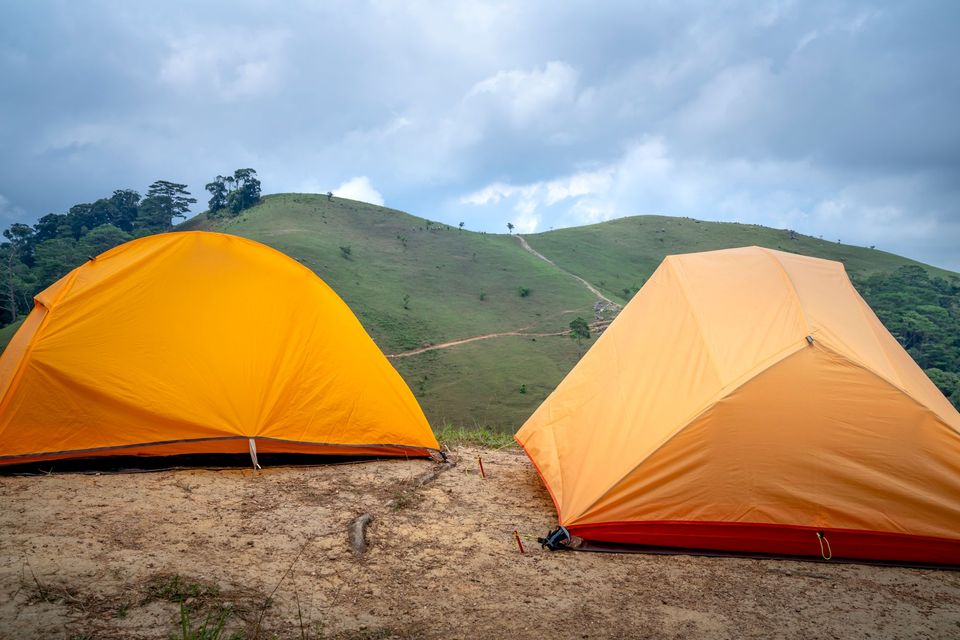
Best tent stakes for sand and loose ground
The best tent stakes for sand and loose ground are wide or long ones, plus buried anchors. Here is what holds in wind and what pulls out first.
Karim Belkacem2 min read

How much water per person per day when camping
A simple way to plan camping water for drinking, cooking and washing, plus a reserve, with an official hiking source and a hot-weather rule.
Karim Belkacem2 min read
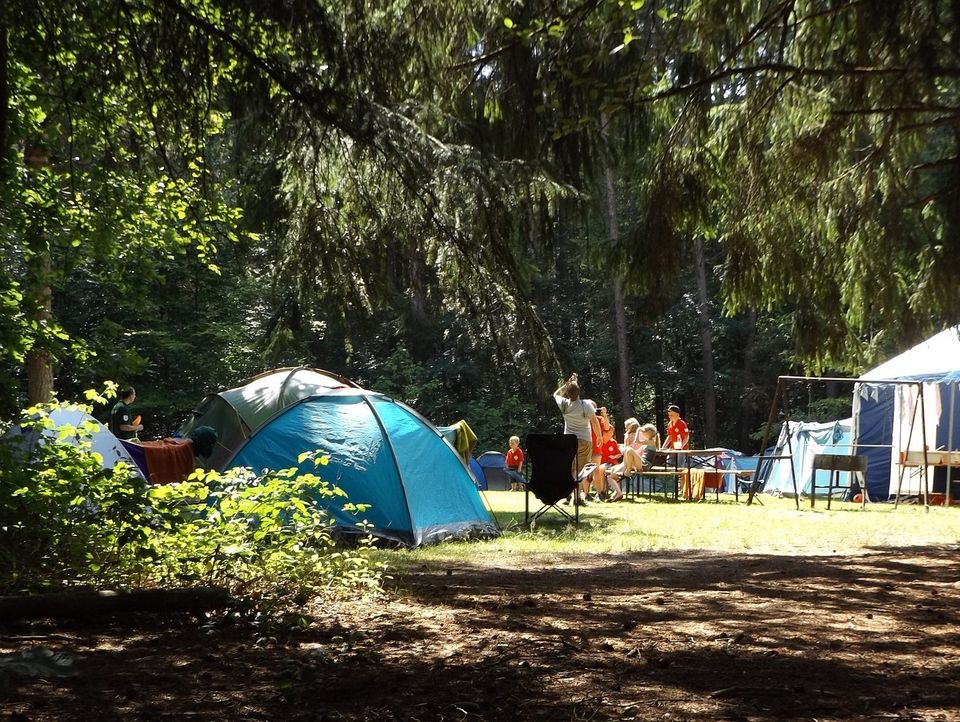
Desert camping gear for hot-weather nights
What to pack for a desert night when the day was hot: shade, water, sleep, wind and sand, with a conditions table and what fails first.
Karim Belkacem6 min read
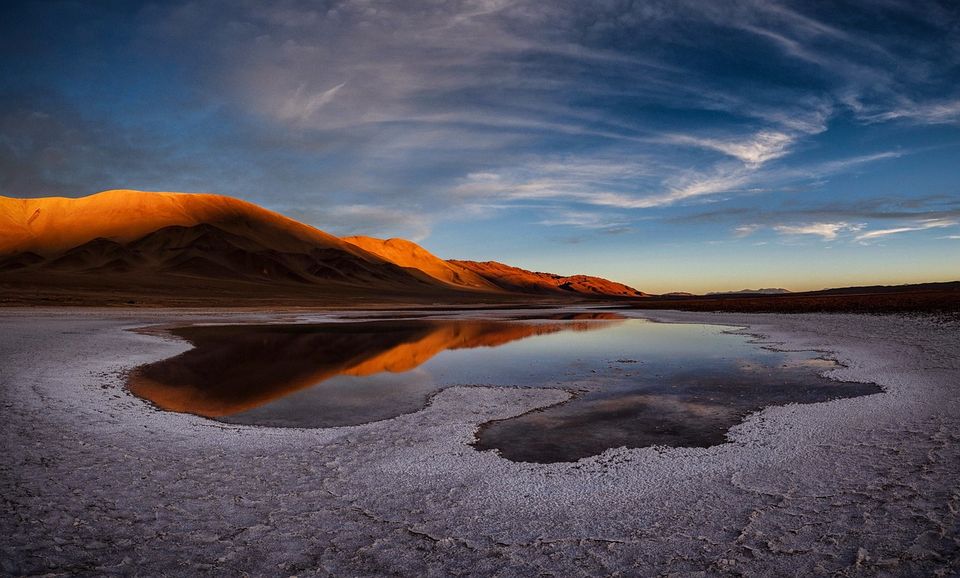
Summer vs winter desert camping: which season suits you
Summer vs winter desert camping: winter days are mild and nights get cold, while summer heat limits what you can do. Pick winter for most first trips.
Karim Belkacem4 min read
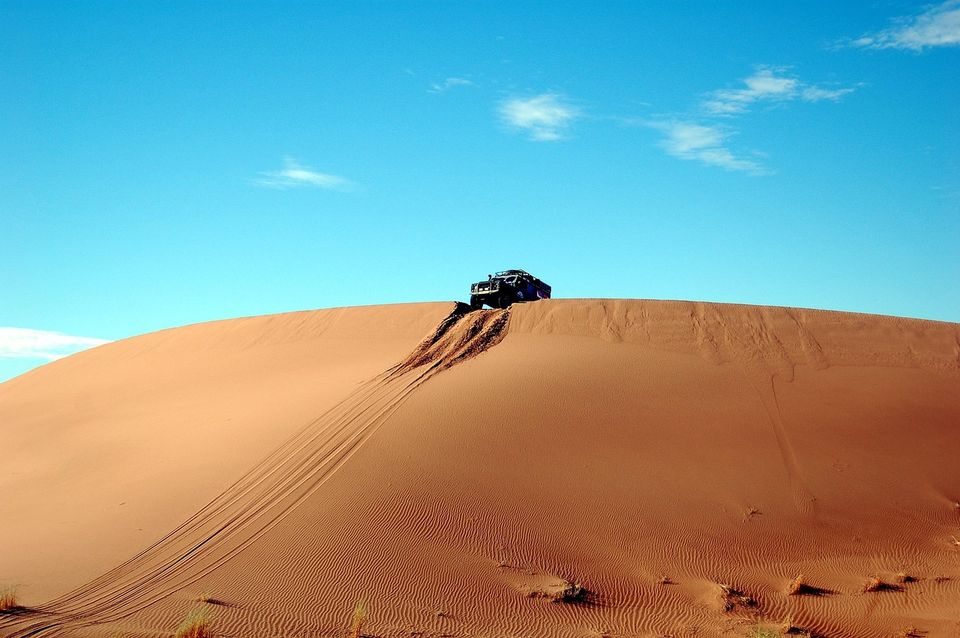
What to do in a sandstorm while camping in the desert
What to do in a sandstorm while camping: stop moving, face the vehicle away from the wind, cover your face, shut the tent and wait for visibility to return.
Karim Belkacem2 min read
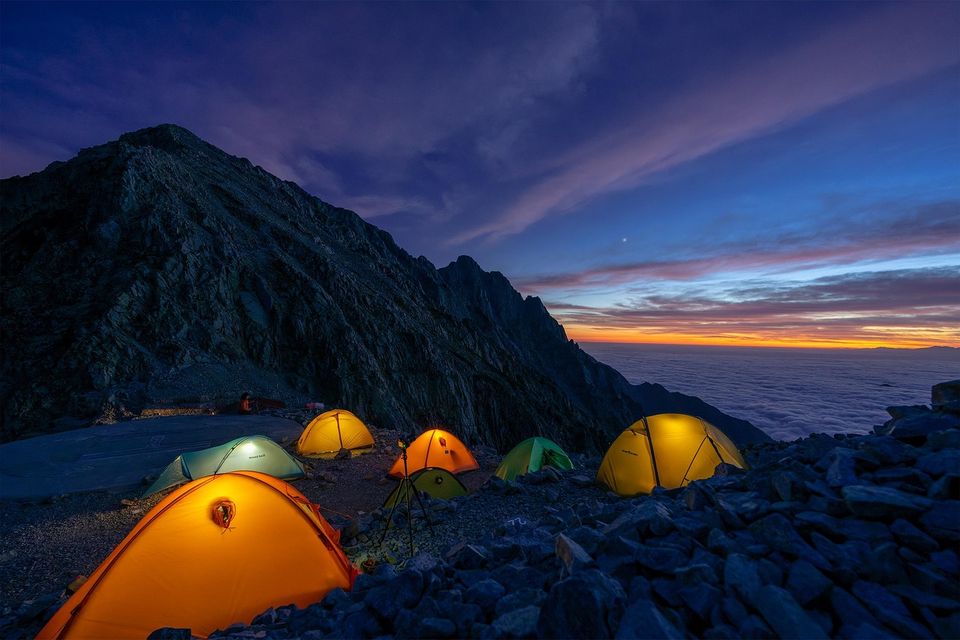
How to keep a tent cool in desert heat during the day
How to keep a tent cool in desert heat: add shade, pitch for morning cover, open vents, use a light colored fly and stay out of the tent at midday.
Karim Belkacem5 min read