
Family camping packing guide
How to pack for a camping trip with children: sleep, food, safety, clothing and the extras that save the evening. Sorted by what goes wrong first.
Élodie Fontaine6 min read
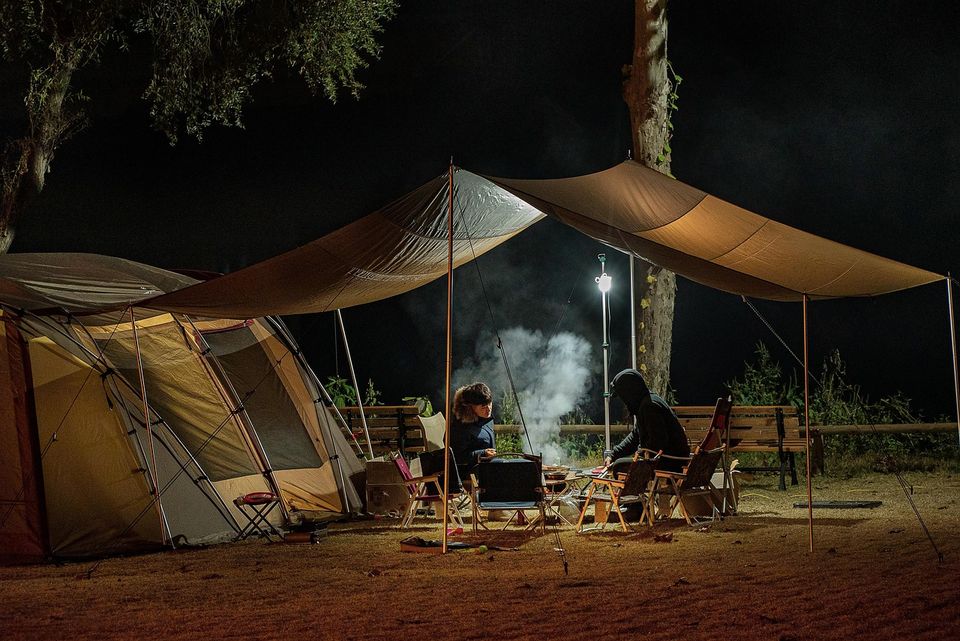
Most family camping trips do not fail because of the tent. They fail at 7 pm, when a child is cold, hungry and tired at the same time and the one thing that would fix it is at the bottom of a bag.
Pack so that the evening works. The rest is easier.
Pack in bins by moment, not by item
Group gear by when you need it. A bin for arrival, a bin for dinner, a bin for bed and a bin for the first-aid and weather kit. When a child melts down, you open one bin, not four bags.
- Arrival bin: tent, mallet, tarp, headlamps, a small snack and water you can reach before the tent is up.
- Dinner bin: stove, fuel, lighter, pot, plates, wipes and a bag for rubbish.
- Bed bin: sleeping bags, pads, pillows, a comfort toy, spare blankets.
- Weather bin: spare clothes, rain gear, hats, sun cover, first aid.
If anyone in the family has never camped, the beginner camping gear checklist covers the basics in order.
What goes wrong first. The headlamps. Children lose them, drop them or wear them out. Fix: pack a spare for each child and a few spare batteries in a labelled bag.
Sleep: the part that decides the next day
A child who sleeps badly makes everyone's second day harder. Aim for warm, dry and familiar.
- A pad under every sleeper. The ground pulls heat out of a body, and small bodies lose it quickly. Check the pad's insulation rating if the nights will be cool.
- A bag rated for the cold end of the forecast. If the maker gives comfort and limit ratings, plan on the comfort one.
- A layer to add or remove. A blanket or light layer on top of the bag helps if the temperature changes in the night.
- Something familiar. A pillow or toy from home helps more than any gear.
Test everything at home first. Putting up the tent in the living room is a good use of a weekend afternoon.
What goes wrong first. Cold feet. Pack dry socks and a spare hat, and have your child put them on at bedtime. For cold nights, add a layer more than you think you need.
Conditions table: summer heat vs winter nights
| Factor | Summer heat | Winter nights |
|---|---|---|
| Sleep | Light layers, a pad, tent open | Rated bag, insulated pad, hat |
| Shelter | Shade before tent | Wind cover, closed vents |
| Water | Offer often, not only when asked | Hot drinks, still offer water |
| Clothing | Loose, light, long sleeves, hat | Base layer, insulated layer, dry socks |
| Cooking | Cook early or late, away from children | Keep the stove sheltered, more fuel |
Children can struggle with heat and cold sooner than adults. Watch them rather than the clock, and ask how they feel.
Water and fuel maths
Water and fuel maths. Example only, change the numbers for your trip. Add up the people, including children, times the days, times the water each person drinks in a day, then add cooking and washing, then a reserve you do not open. For fuel, count the meals and hot drinks, work out the boil time for each from the maker's notes, and add a third. Pack one extra container of water for tooth brushing and washing hands. See how much water per person per day for a worked example and the official source.
Children often drink less than they need when they are busy. Keep a bottle with each child, and make a game of refilling.
What goes wrong first. Water you meant to refill. Fix: count the containers when you leave and when you arrive.
Food that survives a bad evening
Pick meals you can cook in one pot and that children already eat. A trip is a bad time to introduce a new food.
- Snacks within reach. A bag of snacks in the car cabin, not the boot.
- One-pot dinner. Pasta, rice dishes or something the family already likes.
- Cold backup. A meal that needs no stove, for the evening the wind will not let you light it.
- Clean-up kit. Wipes, a small tub for dishes, rubbish bags.
Keep food sealed and stored away from where you sleep. Food smells attract animals, and in some areas that matters more than others. Check the site page for the area you visit, because wildlife rules differ from place to place.
Safety kit for small people
Open the first aid kit at home. Check the contents, the dates and whether you know how to use what is in it.
- First aid kit with items for cuts, blisters, stings and sunburn.
- Any medicines your children use, in a labelled bag, with extra.
- A whistle for each child, and a talk about what it is for.
- A phone with offline maps, charged, and a paper map as backup.
- A plan: tell someone where you are going and when you will be back.
Set a rule for where children can go on their own, and walk the boundary with them on arrival. Keep them away from the stove, the fire and the car.
Clothes: the 3-layer idea, kept simple
Pack base layers, one warm layer and one outer layer for rain or wind. Add a spare set for each child, plus a plastic bag for wet clothes. Cotton stays wet and cold, so quick-dry fabrics are better. Wide-brim hats and sunglasses are not optional in sun.
What goes wrong first. Wet shoes. Bring a second pair, or at least a pair of sandals for camp.
Leave a clean camp
Make rubbish collection a job for the children. The seven Leave No Trace principles are a good starting point to teach them: plan ahead, pack out waste, leave what you find and respect wildlife.
Before you drive off
- Check the forecast the night before and again in the morning.
- Walk the list: tent, sleep, water, food, light, first aid, clothes.
- Tell someone your route and return time.
- Leave early enough to arrive with daylight to spare.
More to read
Keep reading
Kids sleeping bag vs adult sleeping bag: which to buy
Kids sleeping bag vs adult sleeping bag: a child-sized bag keeps a small body warmer because there is less empty space. Here is when to size up.
Élodie Fontaine4 min read

How to get kids to sleep in a tent on a camping trip
How to get kids to sleep in a tent: keep the home routine, make it dark and warm, tire them out in the day and plan for a late first night.
Élodie Fontaine2 min read
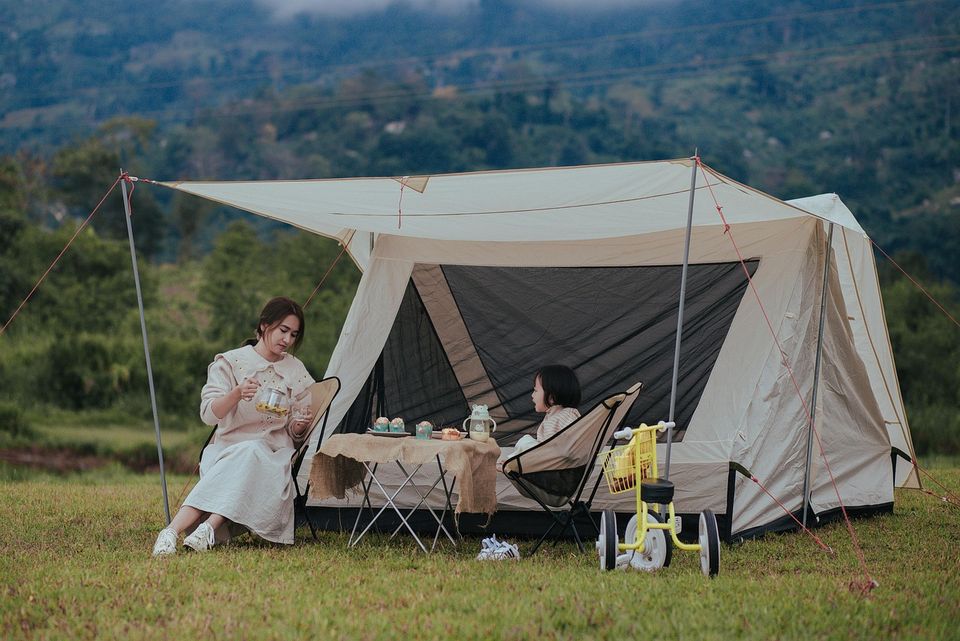
Why the second night of family camping is easier
A short column on why the first night of a family camping trip is the hardest, and why most families settle in by the second night.
Élodie Fontaine4 min read
Camping with toddlers: how to plan a first trip
Camping with toddlers can work if you keep it close to home, short and simple. Here is how to plan sleep, safety and snacks for a first trip.
Élodie Fontaine4 min read
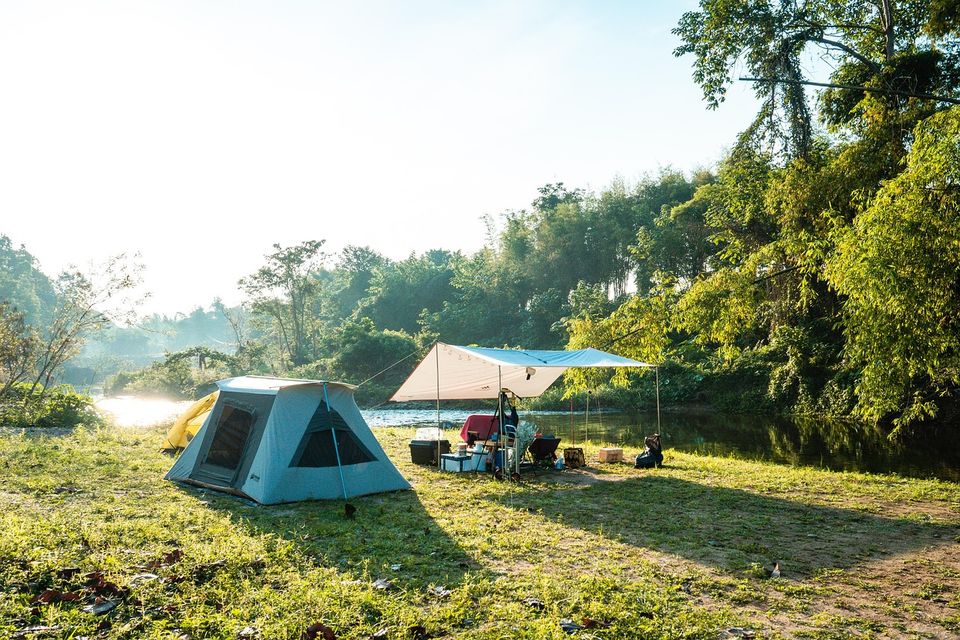
What size tent for a family of four with kids
What size tent for a family of four? Pick a 6 person tent for comfort, a 4 person tent only if you pack light, and check the floor plan, not the label.
Karim Belkacem2 min read
Camping with a baby: how to plan a first overnight trip
Camping with a baby for the first time: pick an easy site, plan safe sleep, dress for the night, pack baby gear and keep a simple way out if it goes badly.
Élodie Fontaine5 min read