
How to prevent blisters when hiking
How to prevent blisters when hiking: fit, socks, lacing and the moment to stop. A simple plan to keep your feet from rubbing raw on the trail.
Élodie Fontaine2 min read
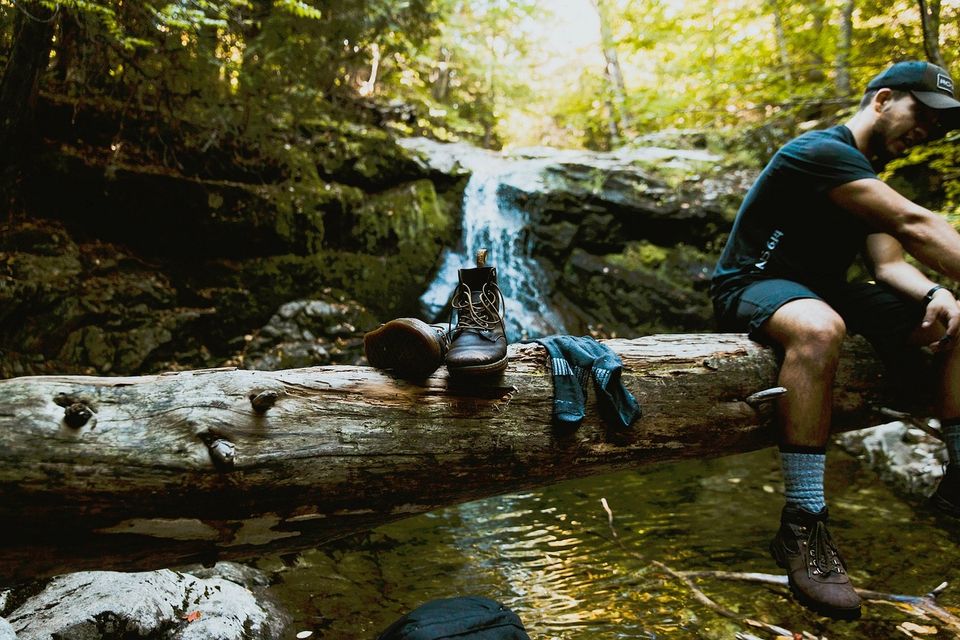
A blister is skin rubbed by shoe or sock, made worse by heat and wet. So fix the rub, the heat and the wet, in that order.
What to do
- Pick shoes that fit. Try them in the afternoon, with your hiking socks. Your toes should have room, and your heel should stay down. See hiking boots vs trail runners.
- Wear the right socks. Wool or synthetic, not cotton. Carry a spare pair.
- Break shoes in on short walks before the big day.
- Lace well. Snug at the ankle so the heel does not slide, with a little room at the toes.
- Keep feet dry. Change socks at lunch if they are wet. Air your feet at breaks.
- Stop at the first hot spot. A warm, rubbing spot is a blister starting. Cover it with a blister plaster or tape before it opens.
What goes wrong first. Waiting. People hope a hot spot will go away and walk on. It does not. Fix: stop, take the shoe off and cover the spot at once.
The exception
If you have a blister that has opened, is red, hot, swollen or oozing, clean it, cover it and see a health professional, especially if you have diabetes or poor circulation. Pack a small kit as in the day hike essentials checklist.
More to read
Keep reading
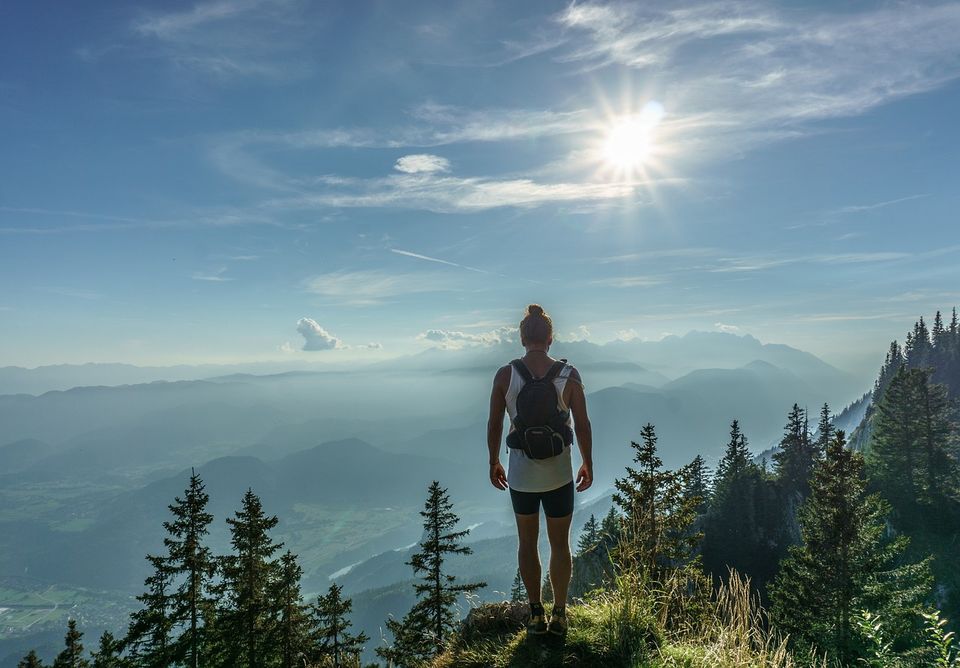
Why turning back is the best decision a hiker can make
A short column on why turning back before the summit is a skill, how to set a turnaround time and why it keeps you hiking for years.
Karim Belkacem4 min read
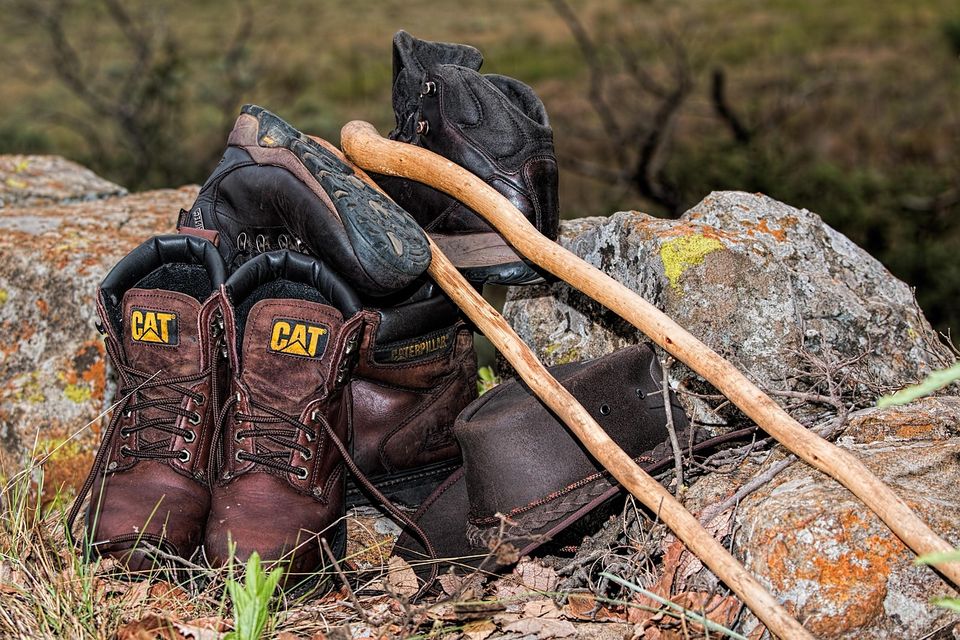
Hiking boots vs trail runners: which is better for you
Hiking boots vs trail runners: boots give ankle support and protection on rough ground, trail runners are lighter and dry faster. Here is how to choose.
Élodie Fontaine3 min read
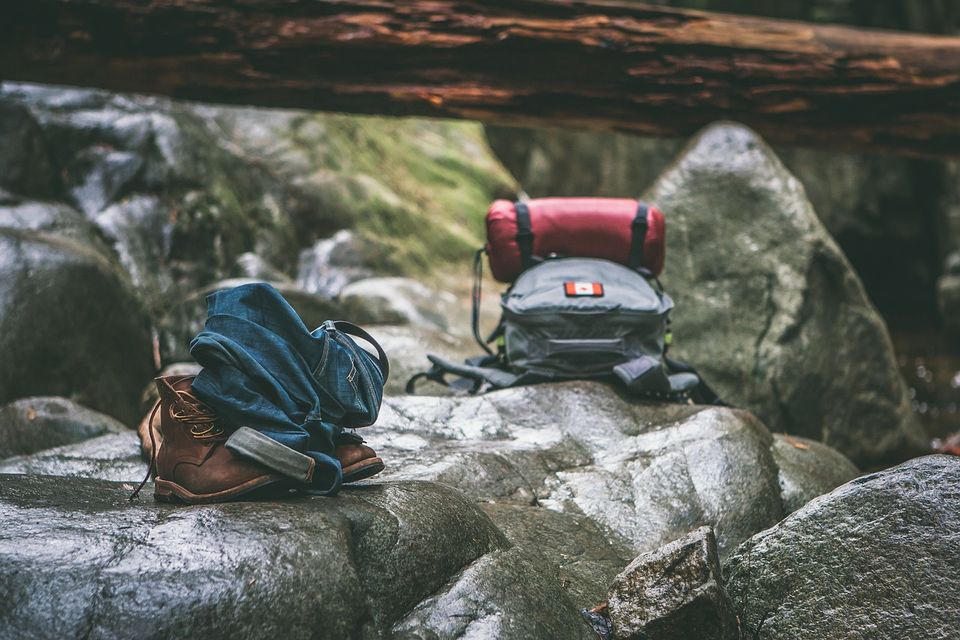
Day hike essentials checklist: what to carry in your pack
A day hike essentials checklist for beginners: water, food, layers, navigation, light, first aid and a plan, with a rule for how much to carry.
Élodie Fontaine4 min read
What to do if you get lost hiking: stop, think, stay put
What to do if you get lost hiking: stop early, stay calm, check your map, retrace only if sure, stay put if not and make yourself easy to find.
Élodie Fontaine2 min read
How to choose hiking socks that prevent blisters
How to choose hiking socks: pick wool or synthetic, never cotton, match thickness to your boot and carry a spare pair to keep your feet dry and blister free.
Élodie Fontaine2 min read
Trekking poles vs no poles: are poles worth it for hiking
Trekking poles vs no poles: poles help on steep, rough or slippery trails and with a heavy pack, but can get in the way on easy flat paths.
Karim Belkacem4 min read