
Why turning back is the best decision a hiker can make
A short column on why turning back before the summit is a skill, how to set a turnaround time and why it keeps you hiking for years.
Karim Belkacem4 min read
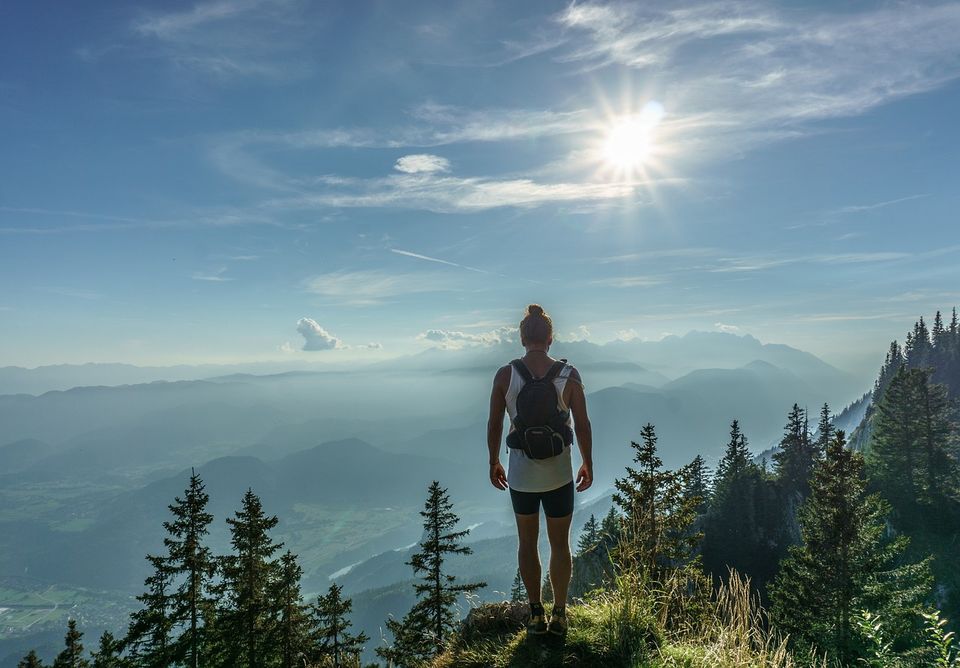
Turning back is a skill. Most people treat it as a failure. This column is about why that is wrong, and how to make the decision easier before you are tired and standing on the trail.
The pull of the top
A summit, a lake or a viewpoint gives a hike a clear goal. It is easy to feel that the walk has no point if you do not reach it. That feeling grows with every step. The more effort you spend, the harder it is to stop. People call this the sunk cost, and it pushes hikers to continue when they should not.
The problem is that the signs to turn back often arrive when you are least able to judge them. You are tired. You are thirsty. The weather has changed. The light is going. At that point, your thinking is weaker.
Make the decision early
The trick is to decide before you start. Pick your rules at the car, with a clear head.
A turnaround time. Choose a time, not a place. Work out how long it will take to get back, plus a margin, and set a time at which you turn no matter where you are. If you have not reached the goal by then, you go back.
A weather rule. Decide in advance what you will do if the sky darkens, if the wind rises or if thunder is heard. Many hikers agree that they turn at the first sign.
A group rule. The slowest or most worried person can call it. No one argues.
A water rule. If you have used half your water before you reach the halfway point, turn.
Write these down or say them aloud. A rule you made in the car is easier to follow than a decision you make on the ridge.
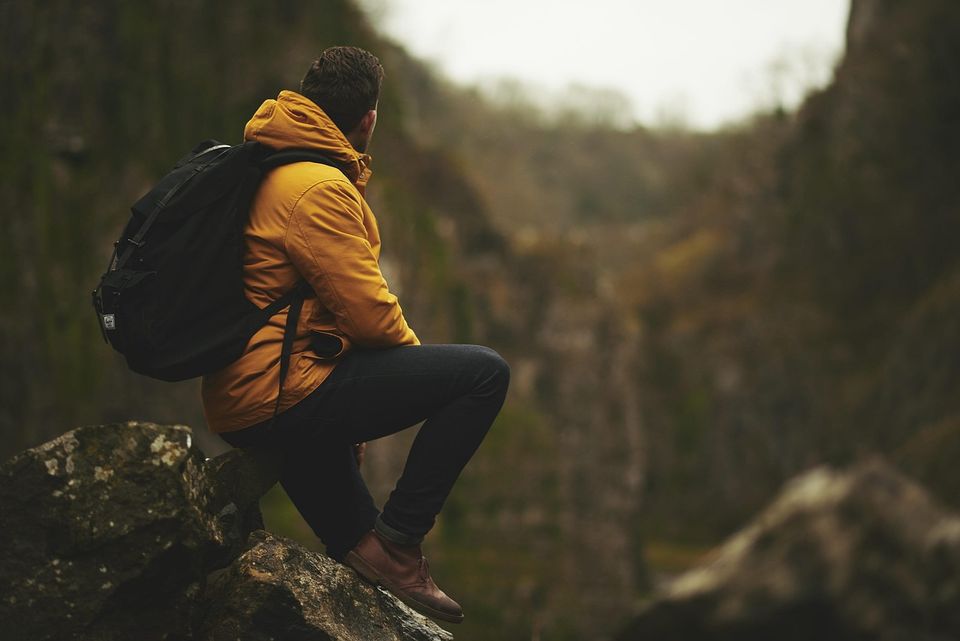
What turning back does not mean
It does not mean you were weak. It does not mean the trip failed. You still walked, breathed and saw something. You also kept a margin for the walk home, which is where many accidents happen.
It also does not mean never pushing. Many good days involve effort. The skill is to push when the conditions are fine, and to stop when they are not.
Why it matters for the long run
Hikers who turn back are around to hike again. The mountain, the ridge and the lake will be there in a week or a year. A day that ends in a rescue, an injury or a cold night out stays in the mind for the wrong reasons.
Good preparation makes turning back rarer. A well packed bag, the right shoes and enough water remove many of the reasons. Start with the day hike essentials checklist, and how to pack a hiking backpack to carry it well. If you ever do lose your way, read what to do if you get lost hiking.
A simple habit
Before each hike, tell someone your route and the time you plan to be back. Then add one line: "If I am not at the top by this time, I turn." Say it out loud. It takes ten seconds, and it is one of the best habits in the sport.
The ridge will be there next month. Go home, eat well and come back.
Turning back as a team
Groups find this harder, because no one wants to be the person who ends the day. Saying the rules at the car solves much of that. When the turnaround time arrives, the decision has already been made, and no single person has to carry it.
It also helps to ask each person, before you start, how they feel and what would make them want to turn. Quiet hikers will often tell you something small that matters. A sore foot at the start is a bigger problem at the end.
Some groups agree on a phrase, such as "happy to turn here", so that saying it feels normal and not like a complaint. Whatever words you pick, make them easy to say.
More to read
Keep reading
How to prevent blisters when hiking
How to prevent blisters when hiking: fit, socks, lacing and the moment to stop. A simple plan to keep your feet from rubbing raw on the trail.
Élodie Fontaine2 min read
Hiking boots vs trail runners: which is better for you
Hiking boots vs trail runners: boots give ankle support and protection on rough ground, trail runners are lighter and dry faster. Here is how to choose.
Élodie Fontaine3 min read
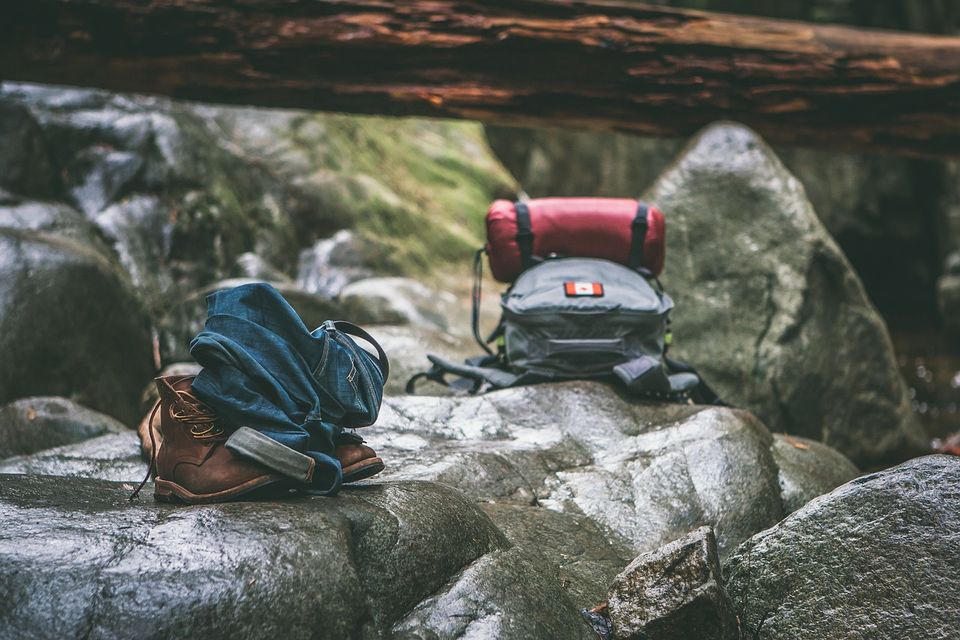
Day hike essentials checklist: what to carry in your pack
A day hike essentials checklist for beginners: water, food, layers, navigation, light, first aid and a plan, with a rule for how much to carry.
Élodie Fontaine4 min read

What to do if you get lost hiking: stop, think, stay put
What to do if you get lost hiking: stop early, stay calm, check your map, retrace only if sure, stay put if not and make yourself easy to find.
Élodie Fontaine2 min read
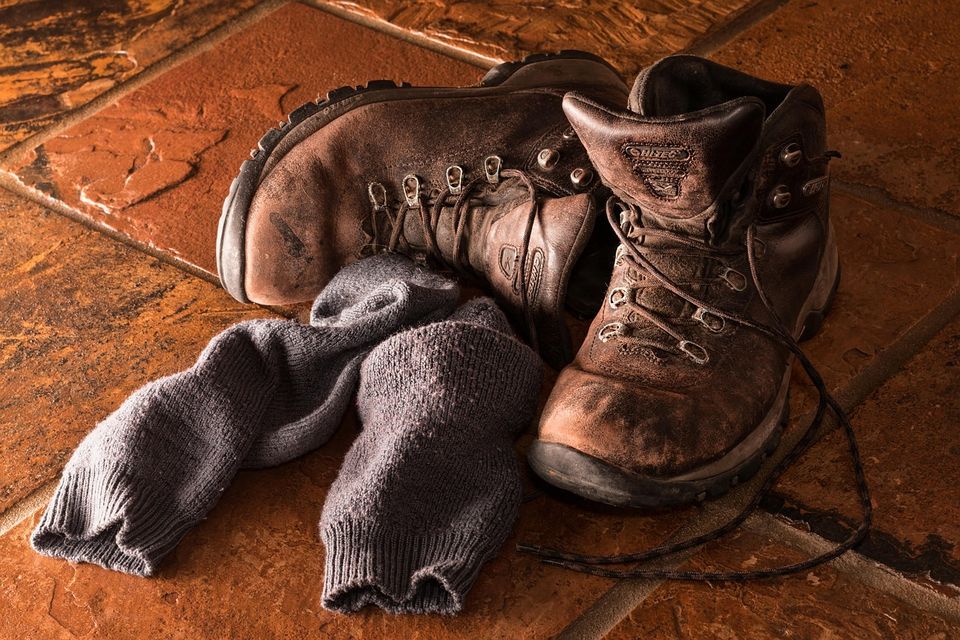
How to choose hiking socks that prevent blisters
How to choose hiking socks: pick wool or synthetic, never cotton, match thickness to your boot and carry a spare pair to keep your feet dry and blister free.
Élodie Fontaine2 min read
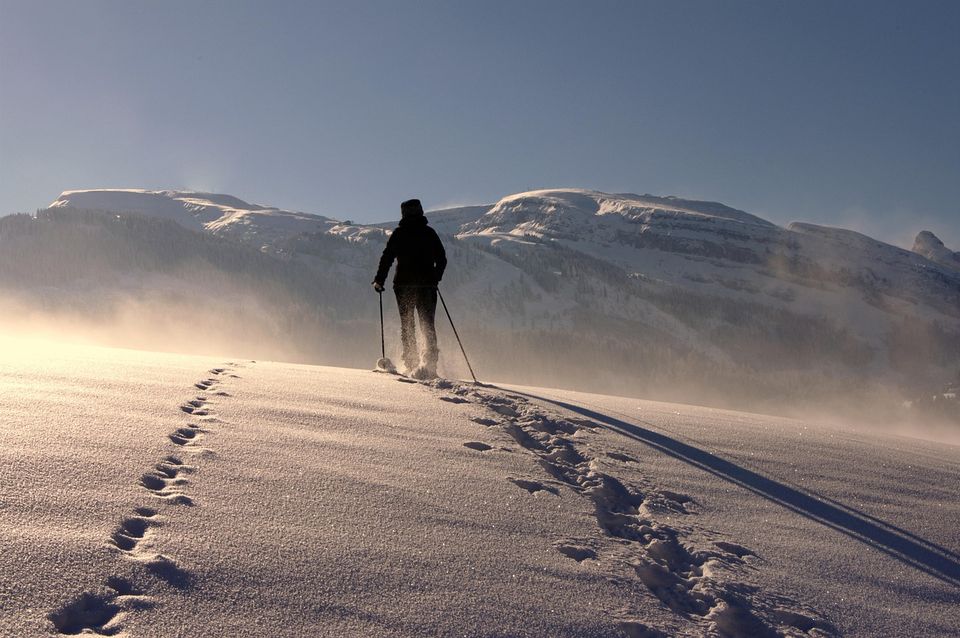
Trekking poles vs no poles: are poles worth it for hiking
Trekking poles vs no poles: poles help on steep, rough or slippery trails and with a heavy pack, but can get in the way on easy flat paths.
Karim Belkacem4 min read