
How to keep a tent cool in desert heat during the day
How to keep a tent cool in desert heat: add shade, pitch for morning cover, open vents, use a light colored fly and stay out of the tent at midday.
Karim Belkacem5 min read
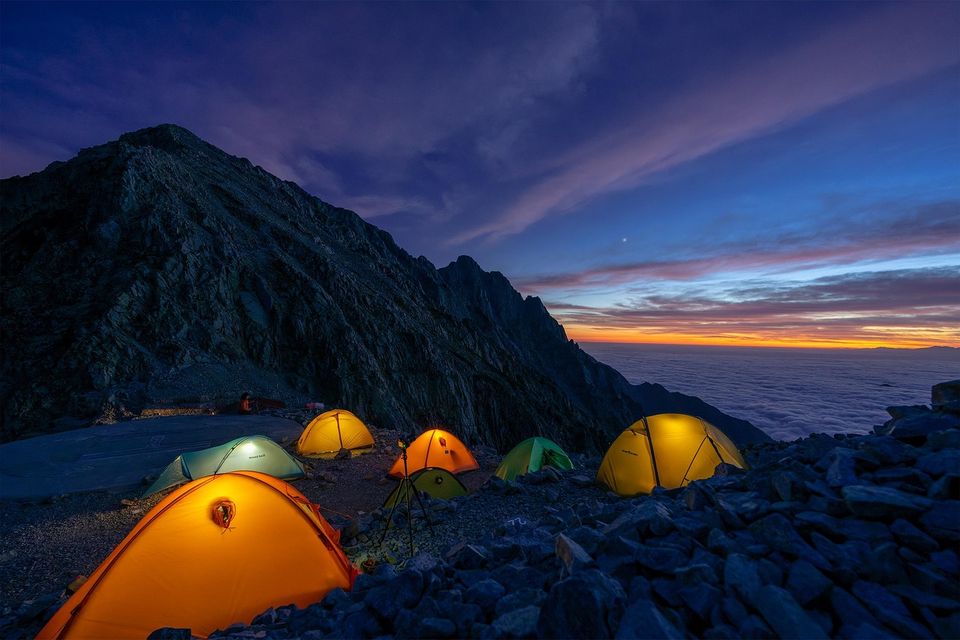
A tent in full desert sun heats up fast. It can get hotter inside than outside. Add shade over it, pitch it for morning cover, open every vent and spend the middle of the day somewhere else. A tent is a sleeping place, not a cool room.
The decision rule
Ask where the shade will be at 2 pm and 8 am. Pitch the tent for the afternoon shade if you can. Use a tarp if there is none.
Choose the pitch
- Use natural shade from a rock face, a tree or a building if it is permitted and safe.
- Face the door away from the afternoon sun, and toward the breeze.
- Never pitch in a dry streambed or low channel. Heavy rain far away can send water down quickly.
- Avoid pitching under dead branches or loose rock.
The camp you choose also has to suit the wind. See tent stakes for sand and loose ground.
Add shade above the tent
A tarp rigged above the tent, with an air gap, can lower the heat inside a lot. A light or reflective colour helps. Keep the tarp high enough for air to pass, and stake or tie it so it does not flap.
What goes wrong first. Wind. A big tarp acts as a sail. Use strong guy lines and extra stakes, and take it down if gusts build.
Open the tent up
- Open all vents and mesh windows.
- Take off the rainfly in the day if there is no rain, or roll it back.
- Leave the doors open during the hot hours, with the mesh closed against insects.
- At night, open the mesh and keep the fly off if the sky is clear.
A hot day often leads to a cool night. What makes a night in the desert different explains the swing.
Spend the day elsewhere
Midday is the worst time. If you can, rest under a shade shelter, or in the car with the windows cracked and air moving. Never leave children, pets or anyone else in a closed car in heat.
Plan activities for early morning and late evening. Rest, drink and eat in the middle.
Water and fuel maths
Water and fuel maths. This is an example with round numbers, not a rule. Two adults, three days, hot weather. Drinking: 2 people x 3 days x 4 liters = 24 liters. Cooking and washing: 2 liters a day = 6 liters. Reserve you never touch: 10 liters. Total: 40 liters. Adjust for your trip and check local advice.
Add more if you have kids, dogs or a long drive out.
Sleep plan for hot nights
A tent can stay warm after dark. Sleep on a light pad, wear light cotton or synthetic clothes, and use a sheet or an open bag. Keep water close.
Know the warning signs
Heat makes people tired, dizzy and confused. See heat exhaustion vs heat stroke while camping.
A day plan for a hot site
The best way to keep cool is to match your day to the heat. This is an example.
| Time | Plan |
|---|---|
| Dawn | Walk, cook, break camp or go sightseeing while it is cool |
| Mid morning | Move into shade, drink often |
| Midday to late afternoon | Rest in the shade shelter. Read, play cards, nap. Do not hike |
| Early evening | Cook, walk, set up for the night |
| Night | Sleep with vents open and water near |
If you do not have shade, make some before you do anything else. A site with no shade is a risky site in summer.
What helps and what does not
Helps: - Shade above and around the tent, with air moving through - Light-coloured fabric - Wet cloths on neck and wrists during rest - Many small drinks across the day - A pitch with a breeze
Does not help much: - Closing the tent up tight to keep the heat out - Pouring water on the tent floor, which can raise humidity and soak your gear - Sleeping in the car with the windows shut - Relying on a small battery fan alone in extreme heat
What goes wrong first. Water use. People drink to cool down and run low before the end of the trip. Keep the reserve in the car and do not touch it. Plan from how much water per person per day when camping.
Quick questions
Is a light colored tent cooler?
Usually, a light colour reflects more sun. Airflow and shade make a bigger difference.
Should I leave the fly on?
In sun with no rain, take it off or roll it back, so air moves. Put it back for wind-blown sand or rain.
Can I just use a hammock or sleep under the stars?
In dry weather, many people do. Check local rules and wildlife.
What if there is no shade?
Bring your own, in the form of a tarp, a canopy or a car with a shade panel.
More to read
Keep reading
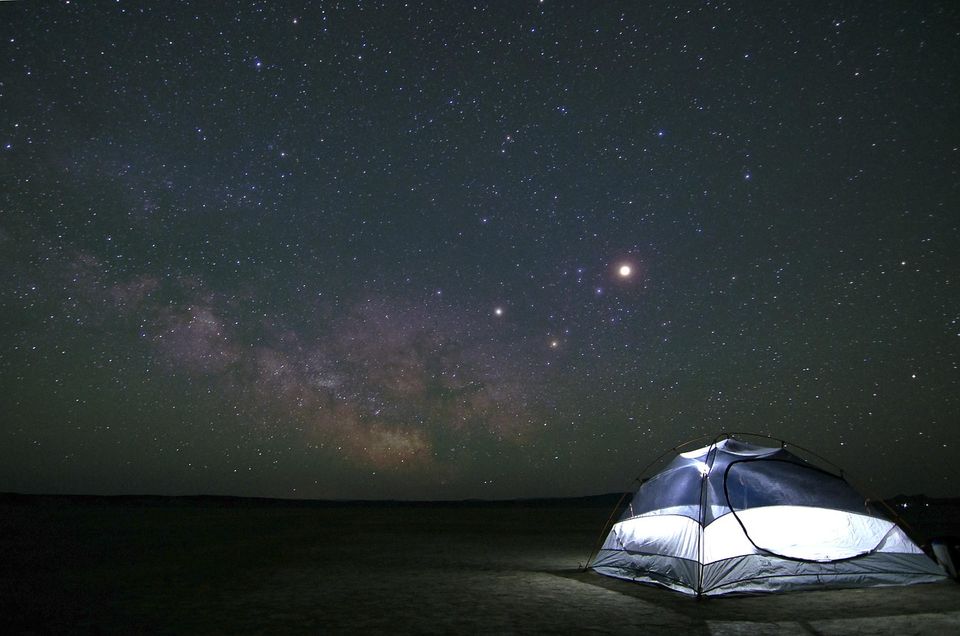
What makes a night in the desert different
Field notes on the dark, the quiet, the cold and the wind that set a desert night apart, and what that changes about how you camp.
Karim Belkacem3 min read
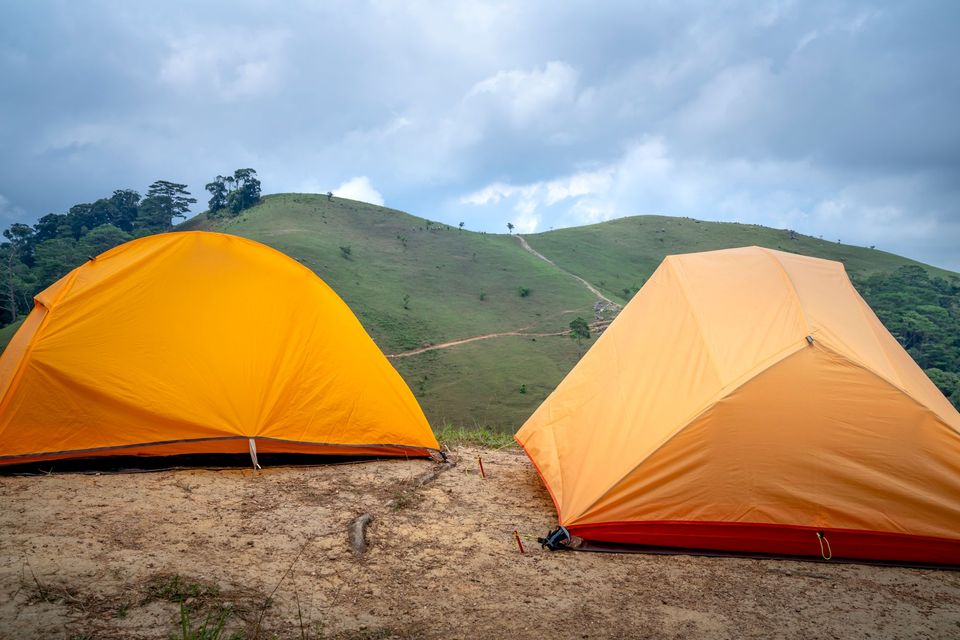
Best tent stakes for sand and loose ground
The best tent stakes for sand and loose ground are wide or long ones, plus buried anchors. Here is what holds in wind and what pulls out first.
Karim Belkacem2 min read
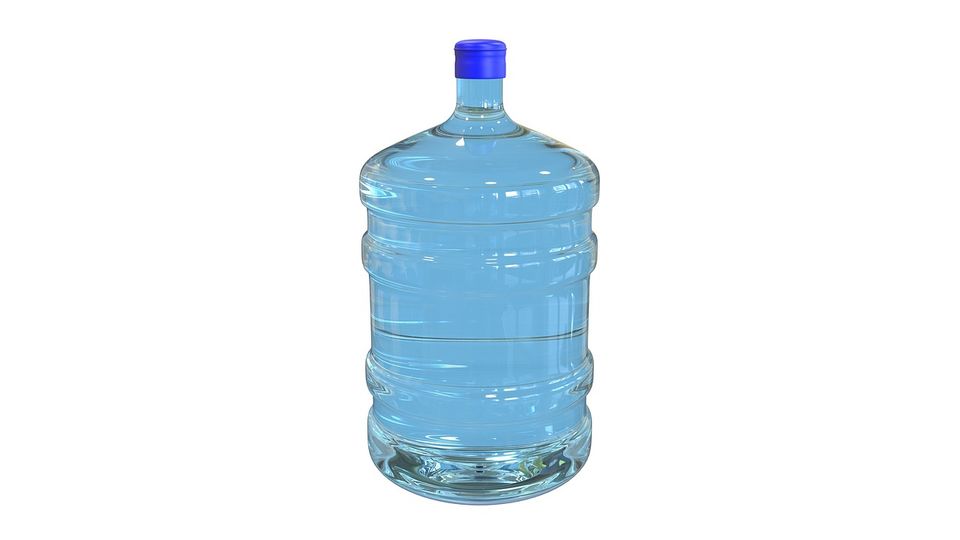
How much water per person per day when camping
A simple way to plan camping water for drinking, cooking and washing, plus a reserve, with an official hiking source and a hot-weather rule.
Karim Belkacem2 min read
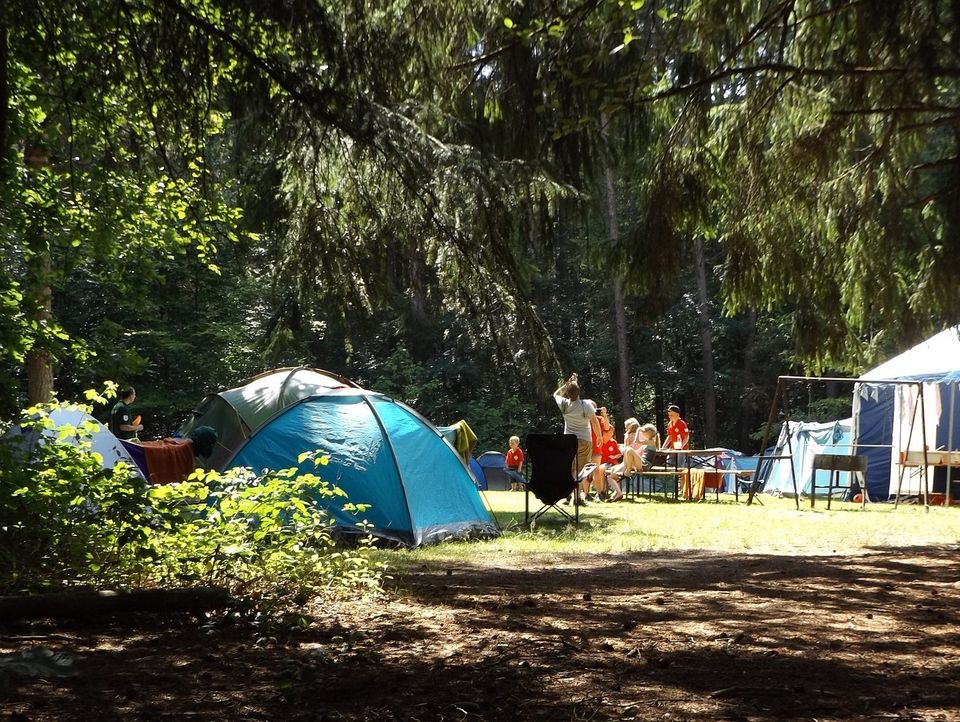
Desert camping gear for hot-weather nights
What to pack for a desert night when the day was hot: shade, water, sleep, wind and sand, with a conditions table and what fails first.
Karim Belkacem6 min read
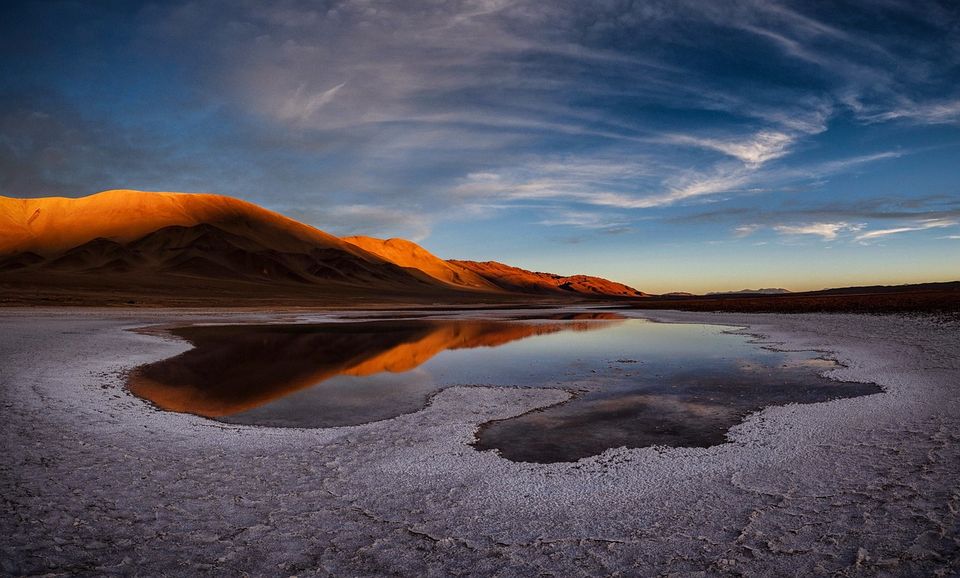
Summer vs winter desert camping: which season suits you
Summer vs winter desert camping: winter days are mild and nights get cold, while summer heat limits what you can do. Pick winter for most first trips.
Karim Belkacem4 min read
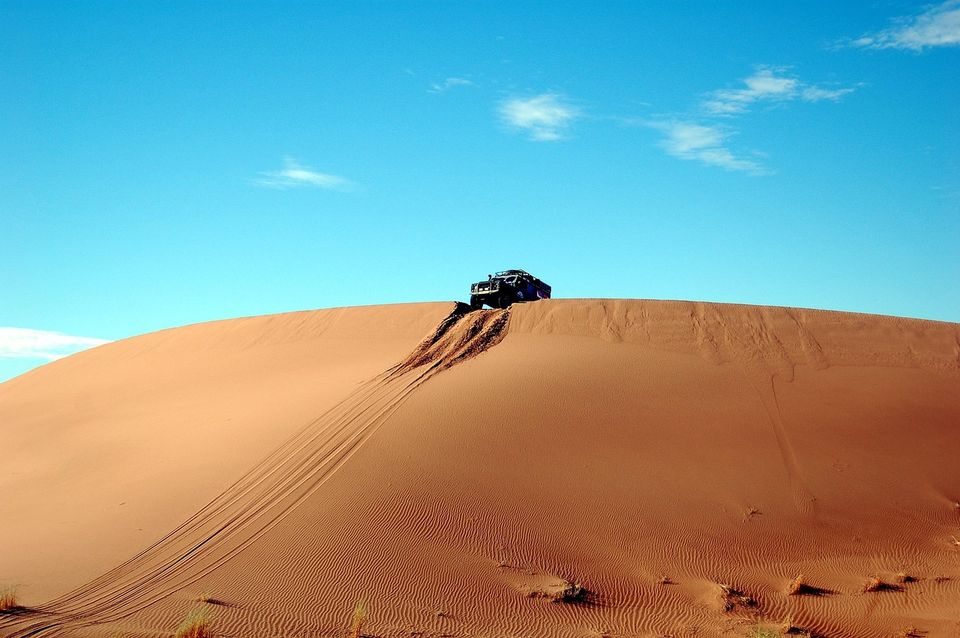
What to do in a sandstorm while camping in the desert
What to do in a sandstorm while camping: stop moving, face the vehicle away from the wind, cover your face, shut the tent and wait for visibility to return.
Karim Belkacem2 min read