
Desert camping gear for hot-weather nights
What to pack for a desert night when the day was hot: shade, water, sleep, wind and sand, with a conditions table and what fails first.
Karim Belkacem6 min read
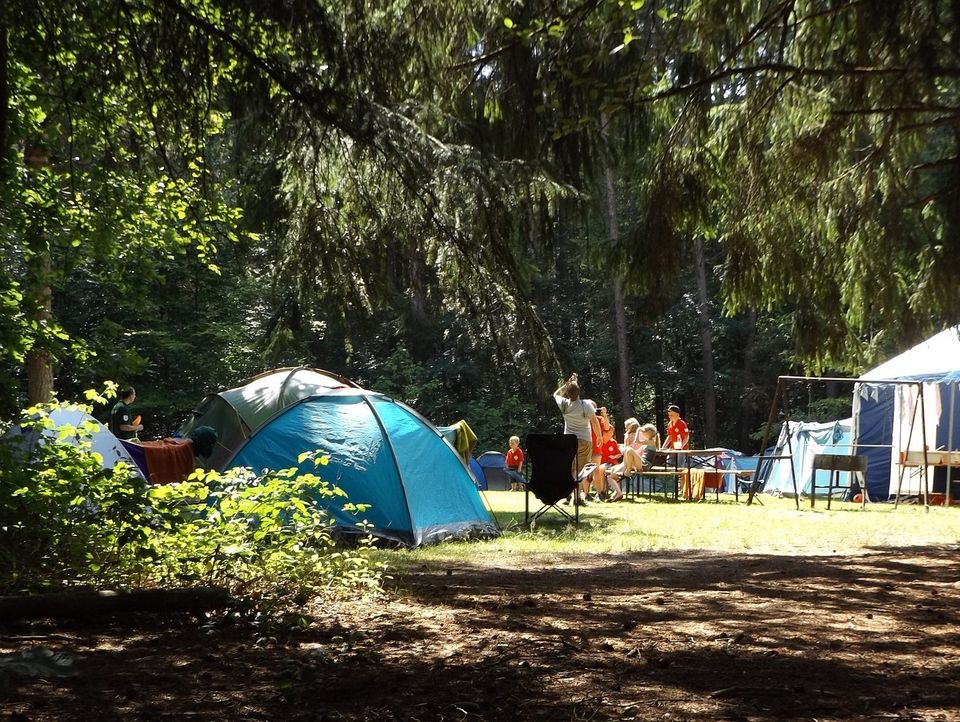
Stakes do not hold in loose sand. That is the first thing to go wrong in a desert wind, and it is cheap to fix before you leave.
A hot-weather desert trip asks four things of your gear: keep the sun off you, keep you supplied with water, keep the tent in place and keep you comfortable after dark. Everything below is sorted by those jobs, not by gear category.
What the day and the night ask of you
The day is the dangerous part. The night is where people are often caught out the other way, because dry air and a clear sky can make it cool off faster than the forecast high suggests. Pack for both.
| Factor | Summer heat | Winter nights |
|---|---|---|
| Sleep | Light bag or a liner, a thin pad, a tent you can open fully | A bag rated below the forecast low, an insulated pad |
| Shelter | Shade first, tent second | Wind protection, closed vents, good guy lines |
| Water | The main weight in the car | Less drinking, but still plan a reserve |
| Clothing | Loose, light, long sleeves, wide-brim hat | Warm hat, insulated layer, dry spare socks |
| Cooking | Cook late or early, away from the tent | Hot drinks matter, so carry extra fuel |
Shade comes before the tent
A tent in full sun in the afternoon is a hot box. Put up a tarp or shade shelter first, with the high side facing the sun, and sit under that. Plan the tent for sleeping, not for hanging around in.
Choose a tarp or shelter with plenty of anchor points and carry more cord than you think you need. Shade that flaps loose in a gust is not shade.
What goes wrong first. The shade anchors. Wind finds the weakest point, and in loose sand that is usually a stake. Fix: carry heavier anchors (sand bags, spare water containers, or buried deadman anchors) and set the shade low on the windward side.
Water and fuel: do the maths before you pack
Water and fuel maths. Example only, change the numbers for your trip. Two people, two nights: drinking water per person per day x 2 people x 2 days, plus cooking and washing water, plus a reserve you agree not to touch. Fuel: boil time for each meal and hot drink x number of meals, then add a third. If the total feels like too much to carry, shorten the trip or camp closer to the vehicle. Our water per person page explains the drinking part.
Water is the main weight in a hot desert trip, and it is the one thing you cannot improvise. The checklist on this site plans about 4 liters per person per day for desert trips and more in heat. Official guidance is to drink steadily and to avoid the hottest hours of the day. The National Park Service page we cite below suggests staying out of the intense heat in the middle of the day and carrying salty snacks as well as water.
What goes wrong first. Water you cannot reach. A cooler packed under the tent and the stove is fine at home and useless when you are dizzy. Keep the day's water inside the vehicle or in shade, and carry a reserve that is separate from the water you drink.
A tent that handles wind and sand
For a desert, what matters most is how the tent behaves in wind and sand, not how many windows it has.
- Low profile and strong poles. Tall flat-sided tents act like sails. Look at the maker's wind notes and pole material on the spec sheet.
- Mesh you can close. Open mesh cools you on a still night. Closed panels keep out blowing sand.
- Guy lines on every point. Use all of them, not just the corners.
- Stakes made for sand. Wide or long stakes grip better than thin pegs. Where they will not hold, bury a stuffed bag as an anchor and tie to it.
- Door away from the wind. Face it downwind so the tent does not scoop sand.
Wind also decides how you cook. The gas stove vs wood fire comparison covers that side.
What goes wrong first. The zip fills with sand and jams. Fix: shake out and brush the tent before packing, and do not force a gritty zip.
Sleep: heat in the evening, cool after midnight
A sleeping bag that suits the cool end of the night is often too warm at 9 pm. Layer instead: a liner or light blanket as the base, with a warmer layer you can pull on when the temperature falls. A thin pad is enough in summer, but in winter an insulated pad matters more than the bag, because the ground takes heat from you.
Clothing and sun cover
Loose, light, long sleeves and a wide-brim hat do more than a thin tank top and sunscreen alone. Sunscreen still goes on, and so do sunglasses. Pack dry socks and a warm layer even for a summer trip, and keep them where you can find them in the dark.
Wildlife, fire and leaving no trace
Shake out shoes and bags before you put them on, and keep food sealed. If you want a fire, check the rules for the area first. Fire rules in desert areas are set by local authorities, and many places ban open fires, so check the official page for the area before you go. The seven Leave No Trace principles are a good short check: plan ahead, camp on durable ground, carry out all waste and use a stove when you can.
Before you go
- Tell someone your route and your return time.
- Check the forecast for the day and the night.
- Carry offline maps and a paper map.
- If you are driving off the road, bring recovery gear and know how to use it. Do not go alone.
- Plan to turn back early if anyone feels unwell.
More to read
Keep reading
What makes a night in the desert different
Field notes on the dark, the quiet, the cold and the wind that set a desert night apart, and what that changes about how you camp.
Karim Belkacem3 min read
Best tent stakes for sand and loose ground
The best tent stakes for sand and loose ground are wide or long ones, plus buried anchors. Here is what holds in wind and what pulls out first.
Karim Belkacem2 min read
How much water per person per day when camping
A simple way to plan camping water for drinking, cooking and washing, plus a reserve, with an official hiking source and a hot-weather rule.
Karim Belkacem2 min read
Summer vs winter desert camping: which season suits you
Summer vs winter desert camping: winter days are mild and nights get cold, while summer heat limits what you can do. Pick winter for most first trips.
Karim Belkacem4 min read
What to do in a sandstorm while camping in the desert
What to do in a sandstorm while camping: stop moving, face the vehicle away from the wind, cover your face, shut the tent and wait for visibility to return.
Karim Belkacem2 min read
How to keep a tent cool in desert heat during the day
How to keep a tent cool in desert heat: add shade, pitch for morning cover, open vents, use a light colored fly and stay out of the tent at midday.
Karim Belkacem5 min read