
Day hike essentials checklist: what to carry in your pack
A day hike essentials checklist for beginners: water, food, layers, navigation, light, first aid and a plan, with a rule for how much to carry.
Élodie Fontaine4 min read
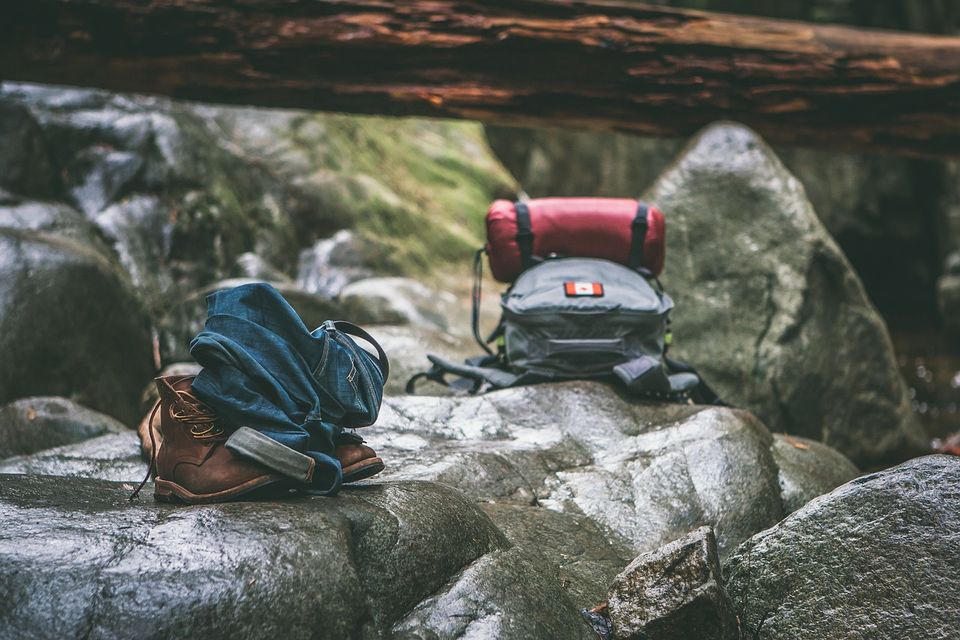
A day hike is simple until it is not. A turned ankle, a wrong turn or a fast storm turns a two-hour walk into a long evening. The day hike essentials checklist is the small set of things that covers that.
The rule: carry enough to stay out a few hours longer than planned.
The core list
Think of ten groups. You do not need much of each.
- Water. More than you think you need.
- Food. Snacks plus a little extra.
- Navigation. A map, offline maps, or a printed route.
- Light. A small headlamp with working batteries.
- Sun cover. Hat, sunglasses, sunscreen.
- Warmth. A layer you do not plan to wear.
- Rain cover. A light jacket or poncho.
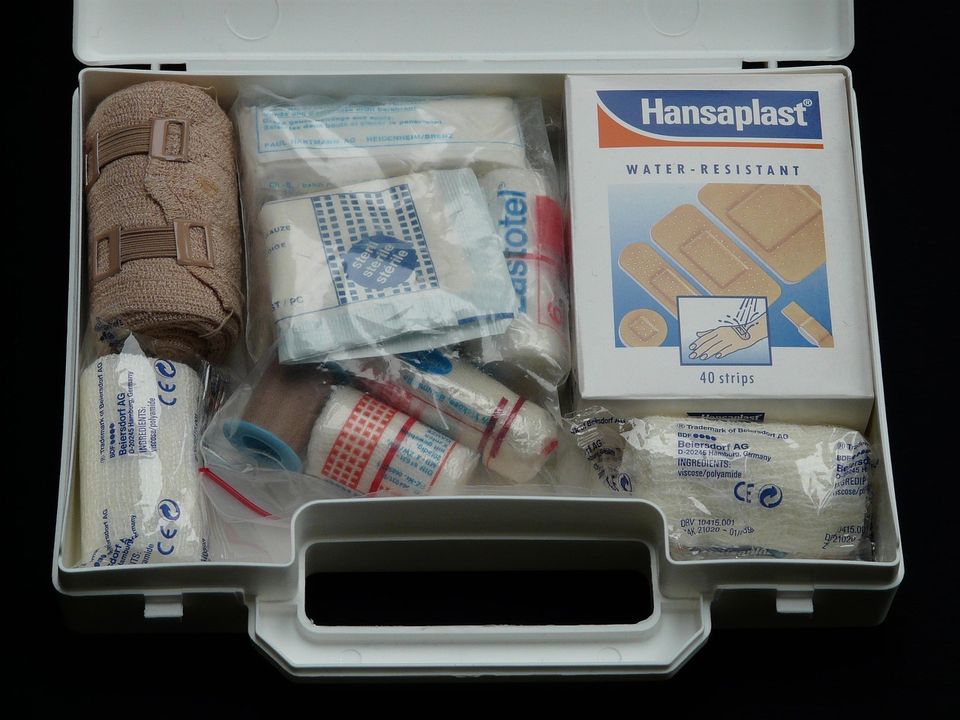
- First aid. Small kit, with blister cover.
- Repair and tools. Knife or multi-tool, tape, a whistle.
- A plan. Someone knows where you are and when you will be back.
What goes wrong first. The phone. It runs flat or loses signal. Fix: carry a paper map or download offline maps, and keep the phone in airplane mode to save the battery.
Water: the part you cannot skip
How much depends on heat, climb and how hard you go. The National Park Service page for one desert park suggests about a quart of water per hour on a hot, dry day, plus salty snacks. That is for hot and dry places. In mild weather you drink less, but you still need a plan. See how much water per person per day for the method.
Water and fuel maths. Example only. A four-hour walk in mild weather, two people. Estimate the water each person drinks per hour from your own habit, times four hours, times two people, then add a reserve bottle you do not open. Add more for heat, hills or children.
Sip often. Do not wait until you are thirsty. Check the official page for your area for local advice.
Clothes: dress in layers
Cotton stays wet and cold. Wear quick-dry fabric and carry one more layer than you think. Weather in hills changes fast. Add a hat and light gloves in cooler places. Choose footwear as in hiking boots vs trail runners.
| Condition | Wear | Carry |
|---|---|---|
| Warm and dry | Light, loose, hat | Rain layer, extra water |
| Cool and damp | Base layer, mid layer | Shell, hat, gloves |
| Cold | Warm layers, hat | Spare mid layer, hot drink |
Food: snacks that work
Eat small amounts often. Nuts, dried fruit, bars, a sandwich. Pack a little more than you plan to eat. Food is fuel, and a low-energy walker makes poor choices.
Navigation and telling someone
Know your route before you go. Look at the map, note the junctions and the turn-back time. Pick a time at which you will turn around no matter what, and keep to it. Tell someone your plan, and what to do if you are not back. Signal might be poor, so a whistle is a good backup. Three blasts is a widely used distress signal. Check the local guidance for your area.
Know when to turn back
- Anyone feels dizzy, sick or very tired.
- The weather turns.
- You are not where you should be and cannot work out why.
- It will be dark before you finish.
Turning back is a good decision, not a failure. Sit in the shade, drink and rest if you feel unwell, and call for help if anyone is confused or collapses.
Quick questions
What should I carry on a day hike?
Water, food, a warm layer, a rain layer, a map, a light, a first aid kit, a phone and a whistle, plus a plan someone else knows.
How much water do I need for a day hike?
It depends on heat and effort. Official park advice for hot dry places is about a quart an hour. Carry extra and check the local source.
Do I need a map if I have a phone?
Yes, a paper map or offline map. Phones lose signal and battery.
What if I get lost?
Stop, stay calm, and try to retrace your steps to the last place you were sure. If you cannot, stay put, stay visible and call for help.
More to read
Keep reading
Why turning back is the best decision a hiker can make
A short column on why turning back before the summit is a skill, how to set a turnaround time and why it keeps you hiking for years.
Karim Belkacem4 min read
How to prevent blisters when hiking
How to prevent blisters when hiking: fit, socks, lacing and the moment to stop. A simple plan to keep your feet from rubbing raw on the trail.
Élodie Fontaine2 min read
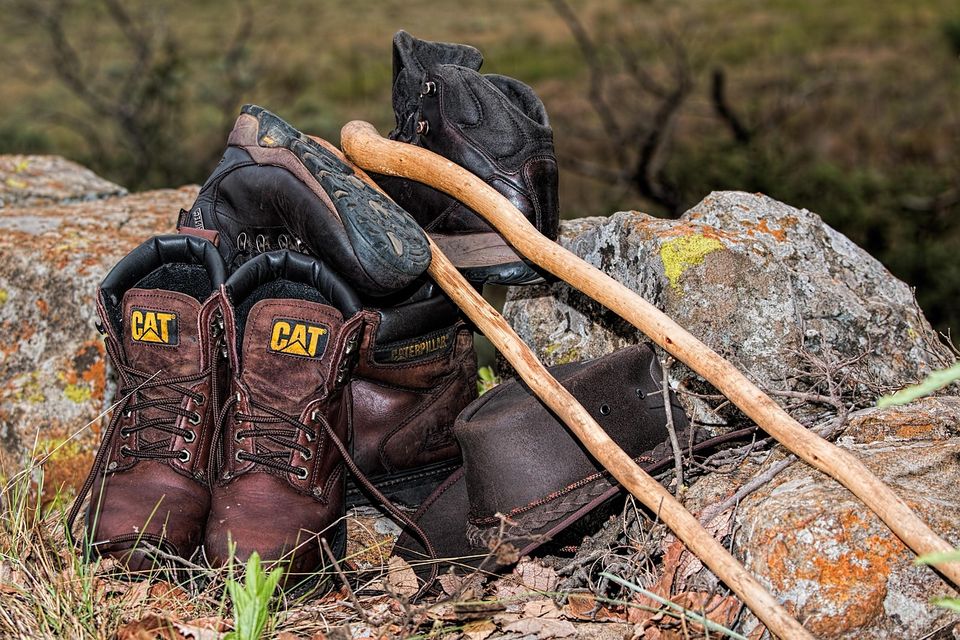
Hiking boots vs trail runners: which is better for you
Hiking boots vs trail runners: boots give ankle support and protection on rough ground, trail runners are lighter and dry faster. Here is how to choose.
Élodie Fontaine3 min read
What to do if you get lost hiking: stop, think, stay put
What to do if you get lost hiking: stop early, stay calm, check your map, retrace only if sure, stay put if not and make yourself easy to find.
Élodie Fontaine2 min read
How to choose hiking socks that prevent blisters
How to choose hiking socks: pick wool or synthetic, never cotton, match thickness to your boot and carry a spare pair to keep your feet dry and blister free.
Élodie Fontaine2 min read
Trekking poles vs no poles: are poles worth it for hiking
Trekking poles vs no poles: poles help on steep, rough or slippery trails and with a heavy pack, but can get in the way on easy flat paths.
Karim Belkacem4 min read