
What to do if you get lost hiking: stop, think, stay put
What to do if you get lost hiking: stop early, stay calm, check your map, retrace only if sure, stay put if not and make yourself easy to find.
Élodie Fontaine2 min read
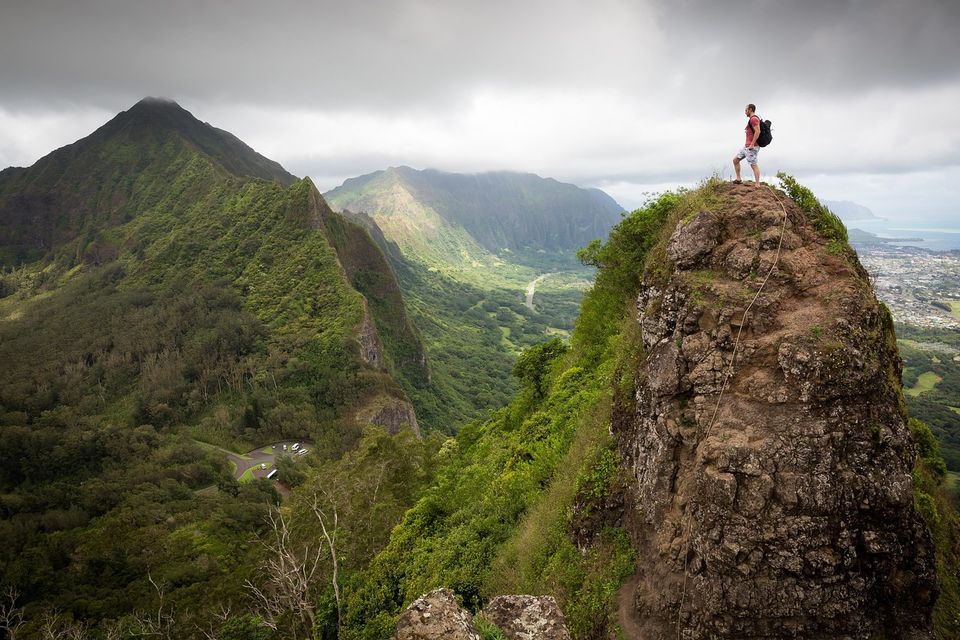
Stop as soon as you feel unsure. Check your map or phone. Go back along your route only if you are certain of it. If not, stay put, stay warm and make yourself easy to find. This is general advice. Local rescue teams and park authorities have the final word for their area.
The steps
- Stop. Do not keep walking to see if it looks familiar. Each step can add distance.
- Think. When did you last know where you were? What have you passed since?
- Check. Use your map, a compass, or the phone map if you have signal or offline maps.
- Retrace only if sure. If the last known point is close and the route back is clear, go back. If not, stay.
- Stay put if unsure. A person standing still is easier to find than one on the move.
- Stay warm and dry. Put on layers, shelter from wind, sit on your pack.
- Signal. Three of anything is a common distress signal: three whistle blasts, three flashes of light. Call the local emergency number if you have signal.
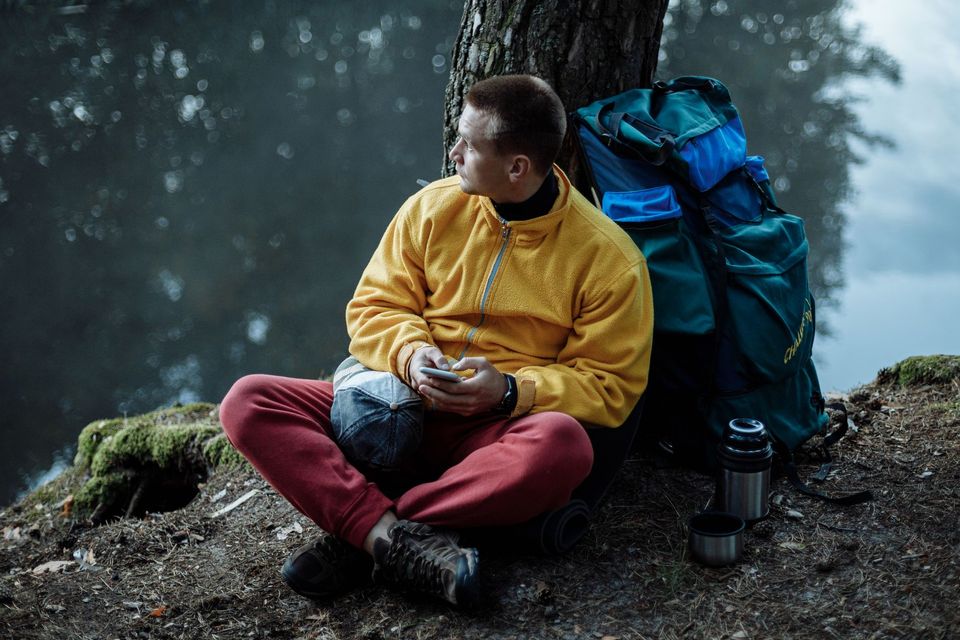
One reason to stay put
Most search teams start from your last known point and the route you planned. If you stay near the trail, you stay near where they will look. Moving off route can put you far from the search area.
One exception
If you are in danger where you are, such as in a flood zone, on a steep slope or in lightning, move to a safer place first. Move a short distance and note it.
Prevent it
- Tell someone your route and return time before you go. This is the most useful step of all.
- Carry a map and a way to find your way without a phone signal.
- Check your position often at trail junctions.
- Keep the group together.
Pack the basics in your day hike essentials checklist, and see stay warm in a tent in winter for how to handle a cold night if you must stay out.
More to read
Keep reading
Why turning back is the best decision a hiker can make
A short column on why turning back before the summit is a skill, how to set a turnaround time and why it keeps you hiking for years.
Karim Belkacem4 min read
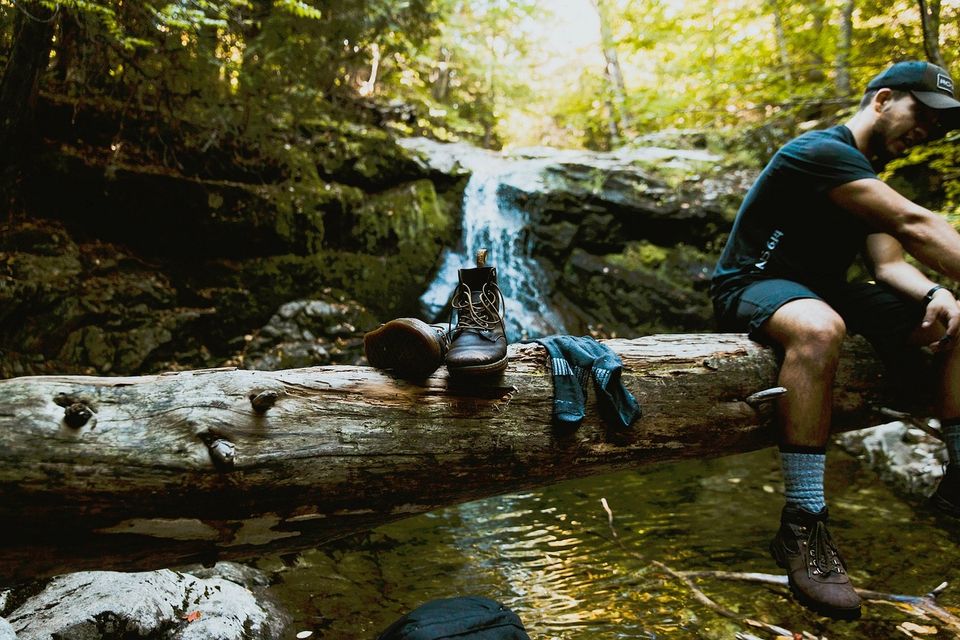
How to prevent blisters when hiking
How to prevent blisters when hiking: fit, socks, lacing and the moment to stop. A simple plan to keep your feet from rubbing raw on the trail.
Élodie Fontaine2 min read
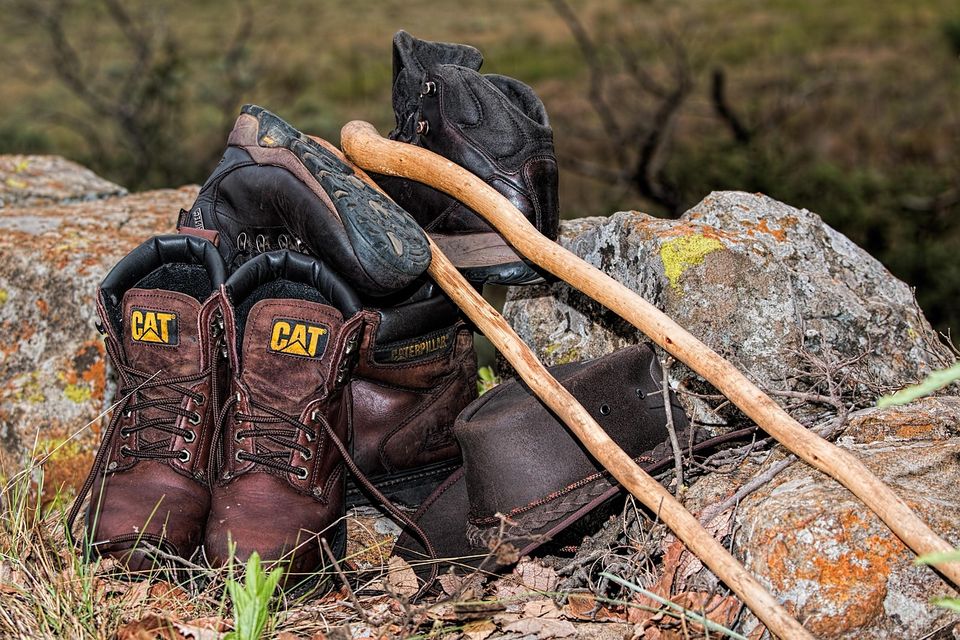
Hiking boots vs trail runners: which is better for you
Hiking boots vs trail runners: boots give ankle support and protection on rough ground, trail runners are lighter and dry faster. Here is how to choose.
Élodie Fontaine3 min read
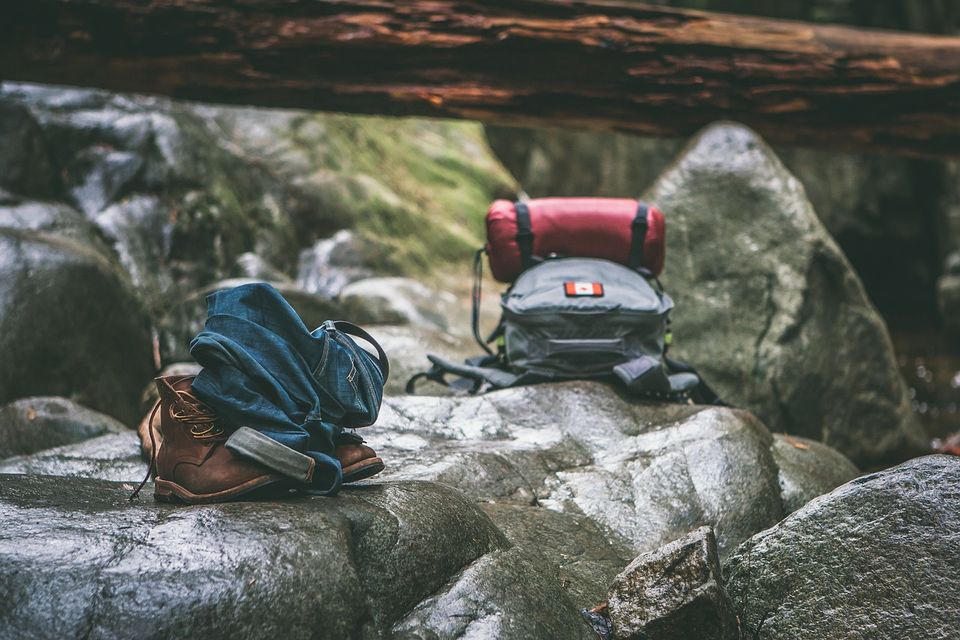
Day hike essentials checklist: what to carry in your pack
A day hike essentials checklist for beginners: water, food, layers, navigation, light, first aid and a plan, with a rule for how much to carry.
Élodie Fontaine4 min read
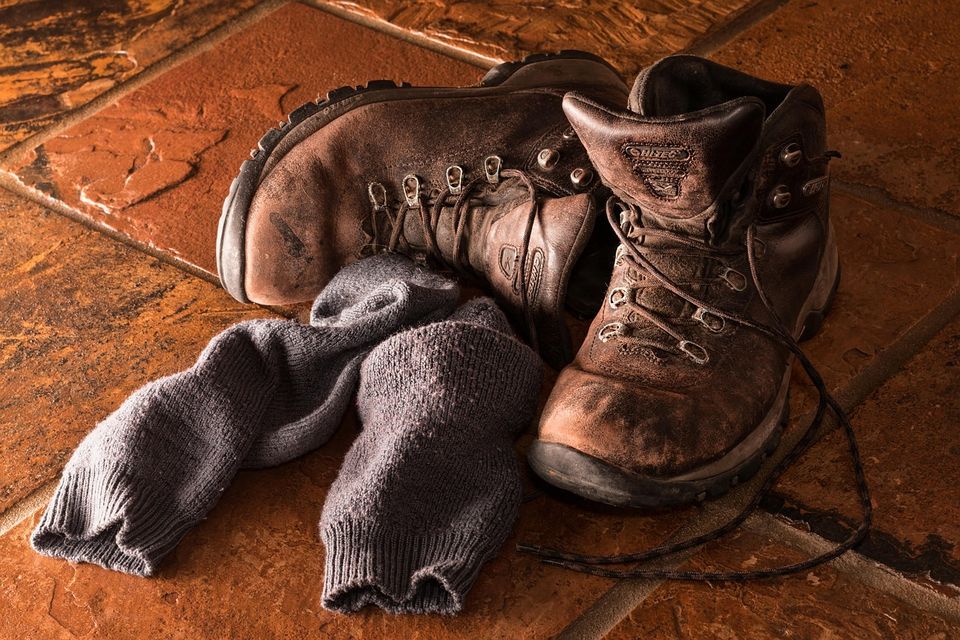
How to choose hiking socks that prevent blisters
How to choose hiking socks: pick wool or synthetic, never cotton, match thickness to your boot and carry a spare pair to keep your feet dry and blister free.
Élodie Fontaine2 min read
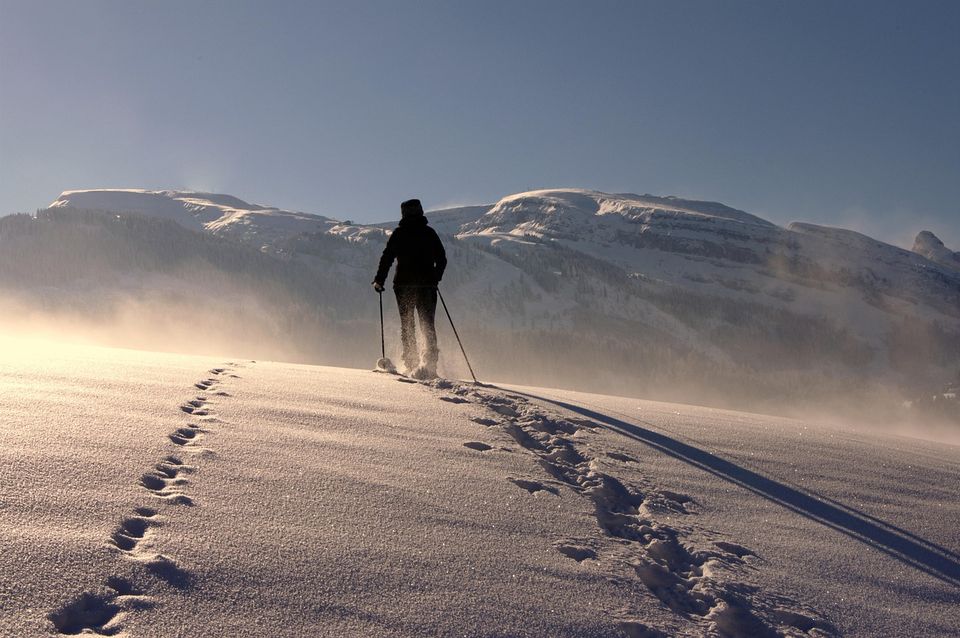
Trekking poles vs no poles: are poles worth it for hiking
Trekking poles vs no poles: poles help on steep, rough or slippery trails and with a heavy pack, but can get in the way on easy flat paths.
Karim Belkacem4 min read