
Gas stove vs wood fire for desert trips
A gas stove is the default for desert camping. A wood fire adds warmth and mood but depends on local rules, fuel supply and wind. Here is how to choose.
Élodie Fontaine3 min read
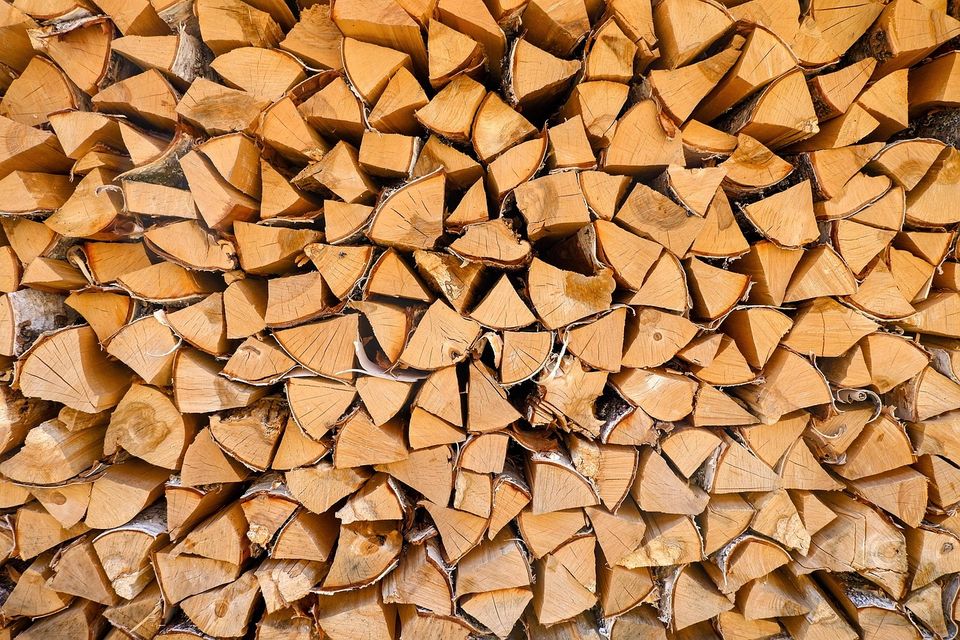
Verdict: bring the stove. Decide on the fire once you have checked the rules for the area and the forecast for the night.
A stove cooks the same way in a still evening and a gusty one, if you shield it. A fire does not. And in many desert areas, open fires are restricted or banned, with rules set by the local authority.
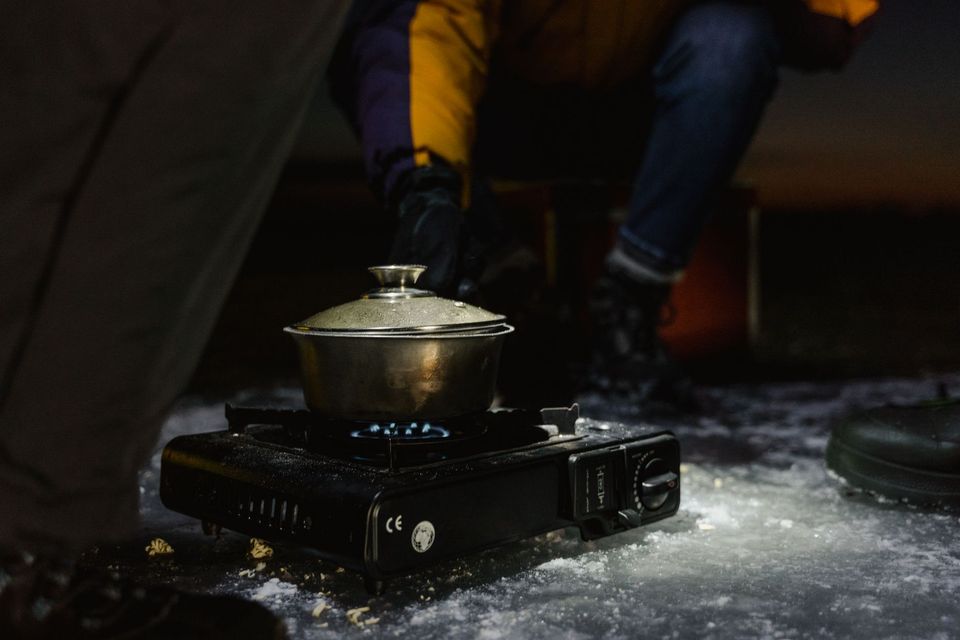
| Factor | Gas stove | Wood fire |
|---|---|---|
| Rules | Usually allowed, but check the area | Often restricted or banned, check first |
| Wind | Needs a shield, still works | Blows embers, harder to control |
| Fuel supply | Carry cartridges or gas | Carry all wood, desert ground has little to spare |
| Speed | Predictable boil times | Slow to get cooking coals |
| Warmth and mood | A little | A lot |
| Clean-up | Minimal | Ash, scars, buried waste |
| What goes wrong first | Fuel runs out or the wind blows the flame out | A spark in dry brush, or no wood at all |
| Fit for | Almost every trip | Short, calm, permitted trips with wood brought in |
Who the gas stove suits
Almost everyone. It works in a hurry, it works with children around and it works where fires are not allowed. Pick a stove with a good wind shield or add a separate one, and keep it low and level on firm ground. Check the maker's notes on the fuel type and the burn time, and write down what the maker says for the stove you own.
Water and fuel maths. Example only. Count each meal and hot drink, use the maker's boil time for each, then add a third for wind and cold. Count cartridges or fuel in the same way. If you are cooking for more people, or in cold weather, plan more. Water for cooking and washing comes out of the same supply as drinking water, so read how much water per person per day before you pack.
What goes wrong first with a stove. The fuel, usually. A half-empty cartridge from last trip is not a plan. Carry a spare and bring a lighter and backup.
Who the wood fire suits
Experienced campers on a short trip, in a place where fires are explicitly allowed, with calm weather and wood brought from home. Desert ground often has very little burnable wood, and what is there is part of the ecosystem. Do not strip it. Leave No Trace guidance says to use a stove when possible, and to keep any fire small, contained and legal.
What goes wrong first with a fire. Wind. Sparks travel, tents melt and a fire that was fine at 8 pm is a problem at 10. Keep water and a shovel next to it, never leave it alone and put it out fully, with water, before bed. Check the rules before you light.
A simple rule
If any of these is true, do not light a fire:
- You have not checked the rules for the area.
- The wind is rising or changing direction.
- The ground around camp is dry brush or you are not sure.
- You do not have enough water to put it out completely.
- Children or pets are in camp and nobody is watching them.
If all five are fine, a small fire in a designated spot is a bonus. The stove is the plan, not the backup.
More to read
Keep reading
Sleeping pad vs air mattress for camping: which to pick
Sleeping pad vs air mattress for camping: a pad keeps you warmer and lasts longer, an air mattress feels more like a bed. Here is how to choose for your trip.
Karim Belkacem4 min read
Headlamp vs flashlight for camping: which should you bring
Headlamp vs flashlight for camping: a headlamp frees your hands and suits most jobs, a flashlight throws light farther. Bring one of each if you can.
Karim Belkacem4 min read
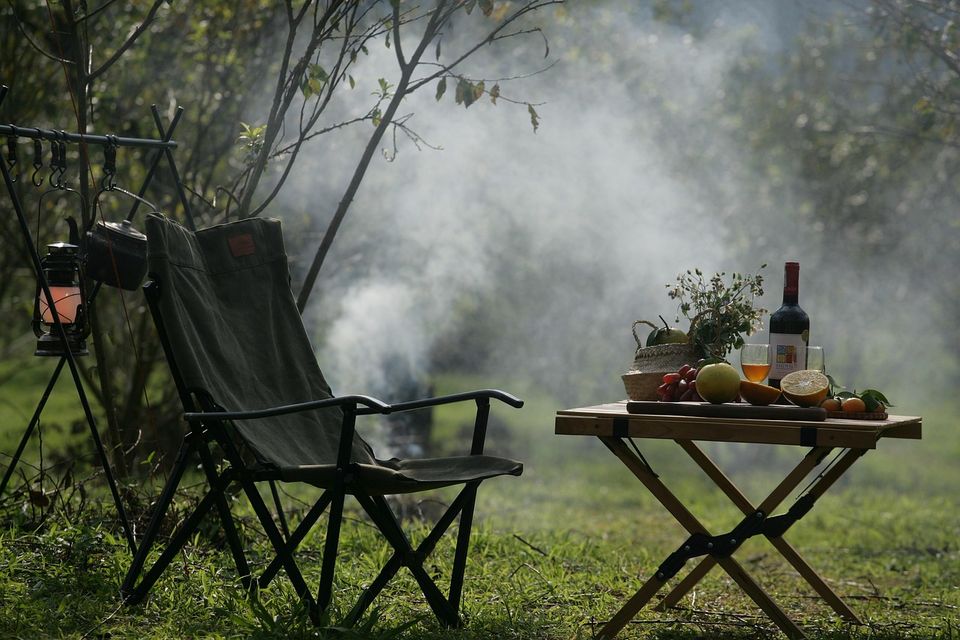
How to keep a cooler cold while camping for days
How to keep a cooler cold while camping: pre-chill, pack in layers, use block ice, keep it in shade and open it less. A simple plan for a weekend.
Karim Belkacem4 min read
Weekend car camping packing list: what to bring for two nights
A weekend car camping packing list for two nights, sorted by when you need each item, with what to leave at home and what fails first.
Karim Belkacem4 min read
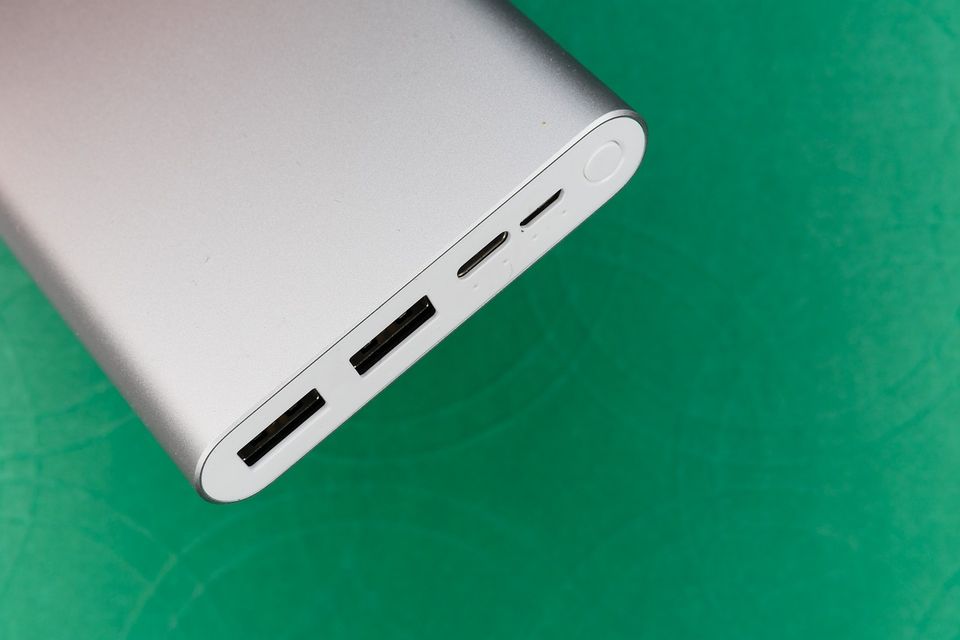
How big a power bank do you need for camping
How big a power bank for camping? A small one covers a phone for a weekend, but add capacity for kids, a headlamp, cold nights and a long trip.
Karim Belkacem2 min read
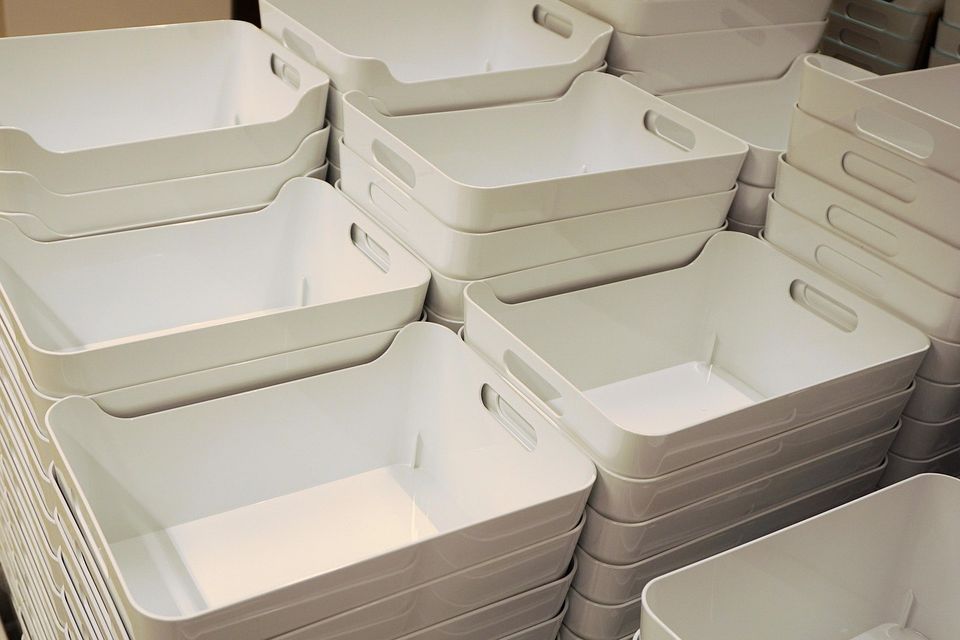
Camping kitchen box checklist: what to keep packed
A camping kitchen box checklist to keep packed all year, so cooking on a trip means grabbing one bin and adding food, fuel and a cooler.
Karim Belkacem5 min read