
Down vs synthetic sleeping bag for cold weather camping
Down vs synthetic sleeping bag for cold weather camping: down packs smaller and lighter, synthetic copes better with damp and is easier to care for.
Karim Belkacem4 min read
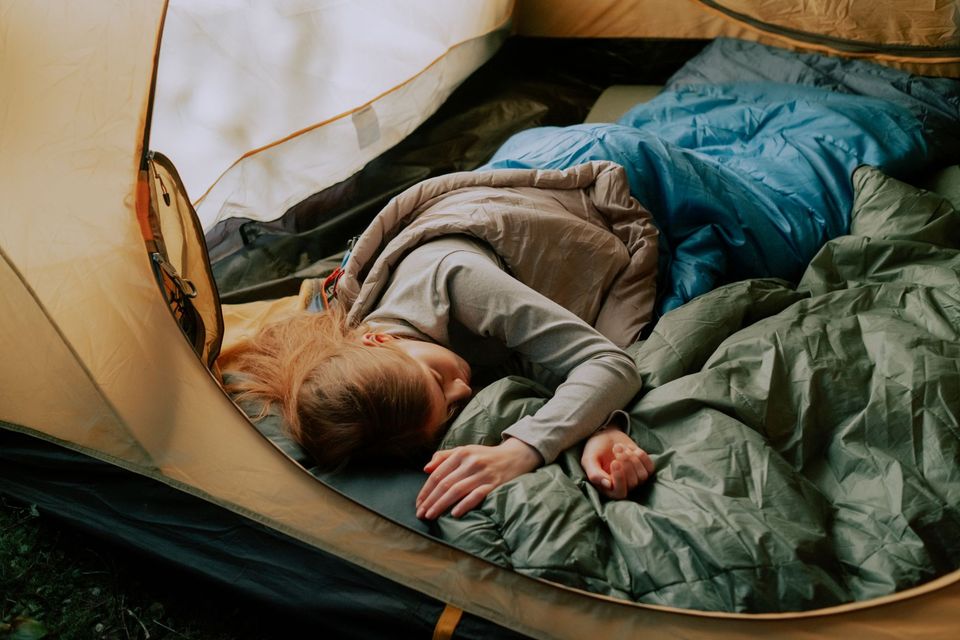
Verdict: pick down if you want a light, small, warm bag and you will keep it dry. Pick synthetic if your trips are damp, if you want easy care or if the bag will take rough use. Both can keep you warm. They fail in different ways.
Which wins on
| Factor | Down | Synthetic |
|---|---|---|
| Warmth for weight | Better | Lower |
| Packed size | Smaller | Bigger |
| When damp | Loses loft and warmth | Keeps more warmth |
| Dry time | Slow | Faster |
| Care | Needs special washing and drying | Easier |
| Long-term loft | Lasts well with care | Loses loft sooner |
| Treated or untreated | Some are water-resistant treated down | Fills vary |
Down is the soft layer from ducks or geese. Synthetic is man-made fibers. Both trap warm air.
Pick down if
- You hike or backpack and every gram counts.
- You camp in cold, dry air.
- You have space to store the bag loose at home.
- You can keep it dry, with a dry sack and a good tent.
Down fill is rated by a number called fill power. Higher numbers mean more loft per weight. The maker's page lists it.
Pick synthetic if
- You camp in humid, wet or snowy places.
- You mostly car camp and weight does not matter.
- You want something simple to wash.
- You camp with kids, who may spill things or drag the bag.
What goes wrong first. With down, it is moisture. Breath and sweat make the fill clump, and a wet bag loses its warmth. With synthetic, it is bulk and age. The fill flattens and the bag gets heavier to carry.

Rule that matters most
Dry is warmer than any fill. Whichever bag you pick, keep it in a dry bag in the pack and air it at the camp. If you expect lots of wet, buy synthetic. Otherwise choose on weight and size.
Do not forget the pad
A bag cannot insulate under you because your weight crushes it. A pad does that. See sleeping pad R-value for cold weather camping. To read the numbers on the bag, use sleeping bag temperature rating explained.
How to care for each
Good care keeps either bag warm for years.
Down: - Store it loose in a large bag, not squashed in the stuff sack. - Wash it rarely, using a wash made for down, on a gentle cycle. - Dry it slowly on low heat, and fluff it often, until fully dry. - Air it each morning on a trip.
Synthetic: - Store it loose too, to stop the fill from flattening. - Wash it as the label says, usually in a front-loading machine. - It dries faster, but still needs time.
Always check the maker's care label. A bag that is stored compressed for long periods loses loft, whatever the fill.
Which one for which trip
| Trip | Better fit |
|---|---|
| Dry mountain backpacking | Down |
| Wet, mild climate | Synthetic |
| Car camping with kids | Synthetic |
| Long winter trip | Down, kept dry in a dry bag |
| Trips where bags get wet | Synthetic |
If you are unsure, start with synthetic. It forgives mistakes. Switch to down when weight starts to matter.
Quick questions
Is down always warmer than synthetic?
Not always. It is warmer for its weight. A big synthetic bag can be very warm, but heavy.
Can I wash a down bag at home?
Many can be washed with a down wash and dried well on low heat. Follow the maker's care label.
Which is better for kids?
Synthetic is usually easier to care for. See kids sleeping bag vs adult sleeping bag.
Does a liner help?
A liner adds a small amount of warmth and keeps the bag cleaner.
More to read
Keep reading

Sleeping bag temperature rating explained: comfort vs limit
Sleeping bag temperature rating explained: what comfort, limit and extreme numbers mean, and how to pick a bag for the coldest night of your trip.
Élodie Fontaine4 min read

Sleeping pad R-value for cold weather camping
Sleeping pad R-value for cold weather camping: what the number means, what to buy for frost and snow, and how to add warmth under you cheaply.
Élodie Fontaine2 min read

What to wear camping in cold weather: a three layer plan
What to wear camping in cold weather: a base layer to wipe away sweat, a warm middle layer and a shell for wind and rain, plus what to avoid.
Élodie Fontaine5 min read
Is it safe to use a heater in a tent? What to know
Is it safe to use a heater in a tent? Fuel and flame heaters can cause carbon monoxide poisoning and fires, so read this before you bring one camping.
Élodie Fontaine2 min read

How to stay warm in a tent in winter: a simple plan
How to stay warm in a tent in winter: insulate from the ground first, use a bag rated below the low, keep dry layers for bed and cut the wind.
Élodie Fontaine4 min read

How to dry wet gear while cold camping, step by step
How to dry wet gear while cold camping: wring, shake, use body heat, rig a line and keep your sleep layers dry first, with fixes that work in frost.
Élodie Fontaine5 min read