
Is it safe to use a heater in a tent? What to know
Is it safe to use a heater in a tent? Fuel and flame heaters can cause carbon monoxide poisoning and fires, so read this before you bring one camping.
Élodie Fontaine2 min read
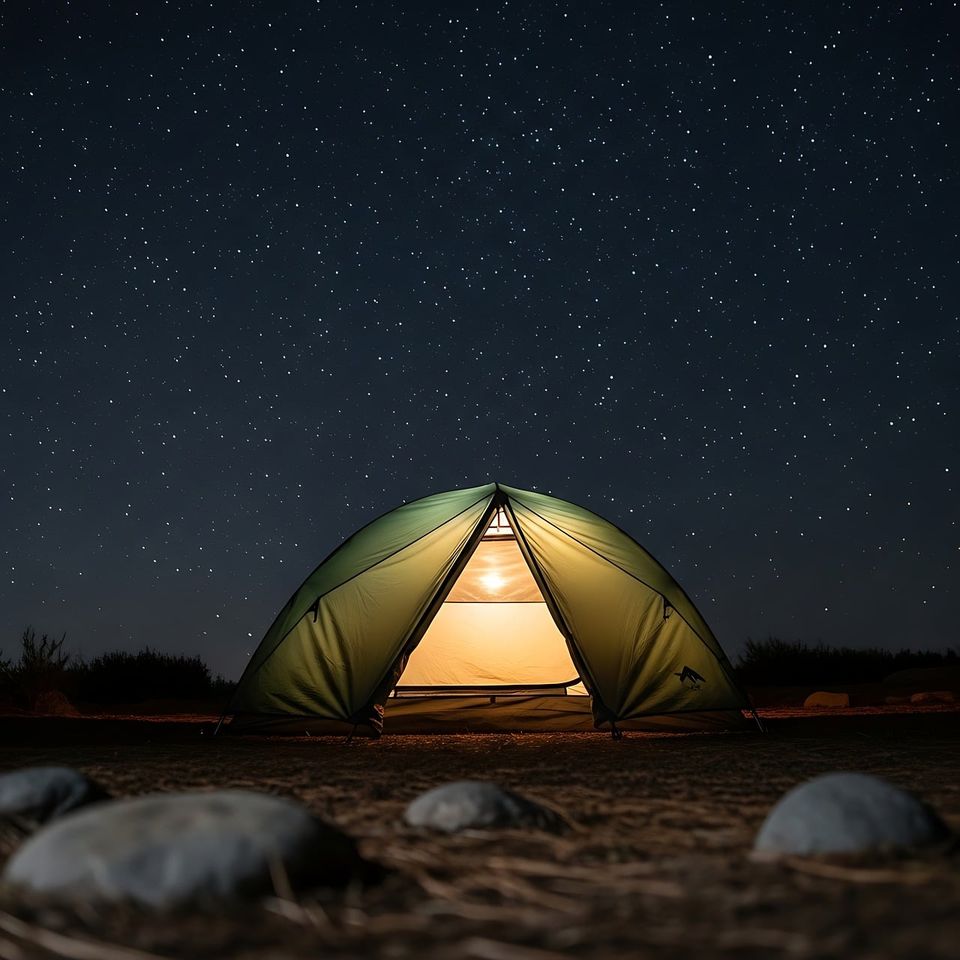
Do not use a fuel-burning heater inside a closed tent. Carbon monoxide is a gas you cannot see or smell. It can build up and make people sleepy or sick, and it can kill. Tents can also burn very fast.
Why it is a risk
Heaters, stoves, lanterns and grills that burn fuel make carbon monoxide when air runs short. A small tent with little air flow makes this worse. The Centers for Disease Control and Prevention (CDC) page on carbon monoxide says it is a poison you cannot see or smell, and that fuel-burning appliances can produce it. Read the page below for the details.
What goes wrong first. Falling asleep. A heater left on at night can run low on air while everyone is asleep. Fix: never leave one on overnight, and never run one in a closed tent.
What to do instead
- Insulate from below. A high R-value pad. See sleeping pad R-value for cold camping.
- Use a bag rated for the night. Sleeping bag temperature rating explained helps.
- Warm the bag first with a bottle of hot water, tightly closed.
- Wear dry layers and a hat.
- Cook outside, away from the tent.
The exception
Some heaters are made for tents and say so on the label. Some tents have a stove jack for a wood stove. Even then, follow the maker's instructions to the letter, keep a working carbon monoxide alarm in the tent, keep flame well away from fabric and never sleep with it running. If you are unsure, do not use it. For the full cold-night plan, see how to stay warm in a tent in winter.
More to read
Keep reading

Sleeping bag temperature rating explained: comfort vs limit
Sleeping bag temperature rating explained: what comfort, limit and extreme numbers mean, and how to pick a bag for the coldest night of your trip.
Élodie Fontaine4 min read

Sleeping pad R-value for cold weather camping
Sleeping pad R-value for cold weather camping: what the number means, what to buy for frost and snow, and how to add warmth under you cheaply.
Élodie Fontaine2 min read
What to wear camping in cold weather: a three layer plan
What to wear camping in cold weather: a base layer to wipe away sweat, a warm middle layer and a shell for wind and rain, plus what to avoid.
Élodie Fontaine5 min read
How to stay warm in a tent in winter: a simple plan
How to stay warm in a tent in winter: insulate from the ground first, use a bag rated below the low, keep dry layers for bed and cut the wind.
Élodie Fontaine4 min read
Down vs synthetic sleeping bag for cold weather camping
Down vs synthetic sleeping bag for cold weather camping: down packs smaller and lighter, synthetic copes better with damp and is easier to care for.
Karim Belkacem4 min read
How to dry wet gear while cold camping, step by step
How to dry wet gear while cold camping: wring, shake, use body heat, rig a line and keep your sleep layers dry first, with fixes that work in frost.
Élodie Fontaine5 min read