
Camping kitchen box checklist: what to keep packed
A camping kitchen box checklist to keep packed all year, so cooking on a trip means grabbing one bin and adding food, fuel and a cooler.
Karim Belkacem5 min read
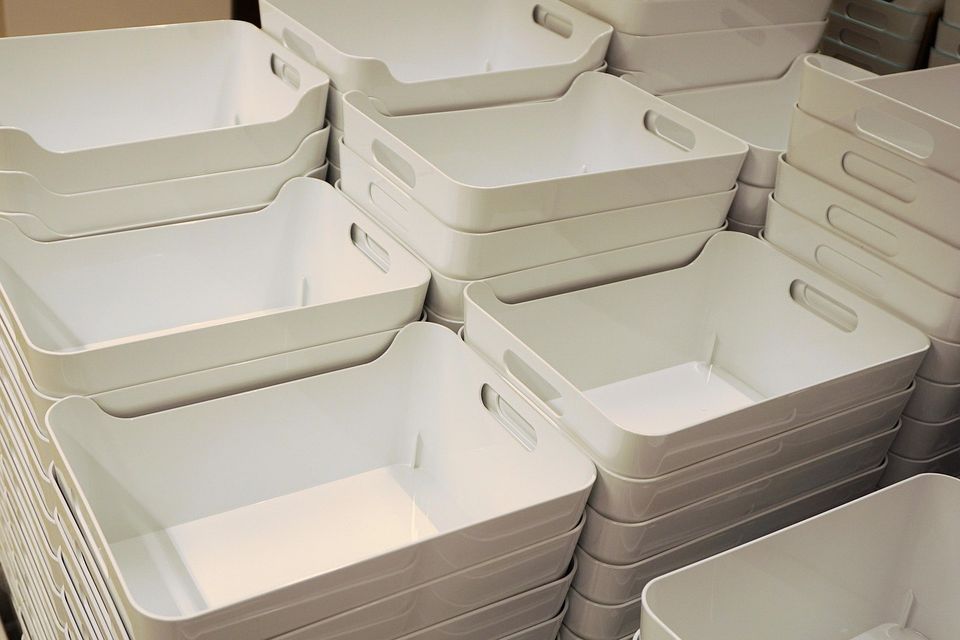
Keep a camping kitchen box packed all year. When it is always ready, you only add food, fuel and ice, and you stop forgetting the can opener.
The rule
Pack the box for how you cook, not how you might cook. If you only boil water and heat a pan, you need a small box. If you cook for six people, you need a bigger one. Start small and add one item each time you wish you had it.
What goes in the box
Cooking
- A stove and a spare fuel can (keep fuel stored apart if your bin has a lid that seals)
- Lighter and matches in a waterproof bag
- One pot with a lid and one pan
- A spatula, a big spoon and tongs
- A sharp knife with a cover and a small cutting board
- A can opener and a bottle opener
Eating
- A plate, bowl, cup and fork for each person
- A few extra cups and spoons
- Paper towels or a cloth
Cleaning
- A collapsible tub or bucket for washing
- Dish soap, a sponge and a scrubber
- A cloth for drying
- Trash bags and a few zip bags
Extras that save the day
- Foil and a roll of tape
- Salt, pepper, oil and a spice you like
- A small flashlight or headlamp. See headlamp vs flashlight for camping to choose.
- Matches, a lighter and a fire starter if fires are allowed where you camp
What goes wrong first. The box gets raided for home use, and something key is missing at the site. Fix: keep a note on the lid listing what lives in the box, and tick it when you repack.
What does not go in the box
Food and anything with a smell. Store food in the car or a locked container, away from the tent. Check the park's rules for wildlife and food storage, because they vary. The National Park Service camping pages are a good place to start.
Plan the cooler separately
The box holds dry gear. Food and drinks go in the cooler. How to keep a cooler cold while camping for days covers how to pack it.
A simple restock routine
- Wash everything the day you get home.
- Dry it fully, so nothing smells or rusts.
- Replace used salt, oil, foil and soap.
- Put in a fresh trash bag and a new roll of paper towels.
- Check the fuel can by shaking it. If it feels light, swap it.
Meals that suit a small kit
A one-pot meal works with this set. Easy camping meals for beginners has ideas that need little more than a pot and a spoon.
Pack by meal, not by item
A good box matches the meals you cook. Plan the menu first, then check the box against it.
| If you cook | Add to the box |
|---|---|
| Hot drinks and porridge | A pot, a mug each, a spoon |
| Pasta or rice | A bigger pot with a lid, a strainer or a lid you can tip |
| Eggs, sausages, pancakes | A flat pan, a spatula, oil |
| Grilled food over a fire | Tongs, foil, a grill grate (where fires are allowed) |
If a gadget does not match a meal on your menu, leave it at home.
Keep food safe and clean
Food safety matters more outdoors, where you cannot just walk to the sink. In general:
- Keep raw meat in a sealed container at the bottom of the cooler, away from other food.
- Use a separate board and knife for raw meat, or wash them well before using them for other food.
- Wash your hands before you cook, using water and soap, or a hand gel if you have no water.
- Cook meat until it is hot all the way through.
- Do not leave cooked food sitting out for hours.
Check official food safety advice for the details that apply to your country.
Wash up without harming the site
Wash dishes away from streams and lakes. Scrape food into the trash, not onto the ground. Use a small amount of soap and carry the dirty water away from the water source, as the park rules ask. Pack out all trash. Food scraps attract animals.
A one-page list for the lid
Tape a short list inside the lid so you can tick it off as you repack: stove, fuel, lighter, pot, pan, plates, cups, cutlery, knife, board, can opener, soap, sponge, towel, bags, foil. It takes a minute and saves a trip to the shop.
Quick questions
What is the one item people forget most?
A can opener, a lighter and a pot holder. Put them in the box and leave them there.
How big should the box be?
Big enough to hold your kitchen with the lid closed, and small enough to lift. Two people can share one bin. A family may need two.
Should I pack real plates or paper?
Reusable plates make less trash and wash easily with a tub. Paper is lighter but needs bags and care with wind.
Where does the fuel go?
Store it upright and away from heat and the tent. Follow the maker's advice for your canister or bottle.
More to read
Keep reading
Sleeping pad vs air mattress for camping: which to pick
Sleeping pad vs air mattress for camping: a pad keeps you warmer and lasts longer, an air mattress feels more like a bed. Here is how to choose for your trip.
Karim Belkacem4 min read
Gas stove vs wood fire for desert trips
A gas stove is the default for desert camping. A wood fire adds warmth and mood but depends on local rules, fuel supply and wind. Here is how to choose.
Élodie Fontaine3 min read
Headlamp vs flashlight for camping: which should you bring
Headlamp vs flashlight for camping: a headlamp frees your hands and suits most jobs, a flashlight throws light farther. Bring one of each if you can.
Karim Belkacem4 min read
How to keep a cooler cold while camping for days
How to keep a cooler cold while camping: pre-chill, pack in layers, use block ice, keep it in shade and open it less. A simple plan for a weekend.
Karim Belkacem4 min read
Weekend car camping packing list: what to bring for two nights
A weekend car camping packing list for two nights, sorted by when you need each item, with what to leave at home and what fails first.
Karim Belkacem4 min read
How big a power bank do you need for camping
How big a power bank for camping? A small one covers a phone for a weekend, but add capacity for kids, a headlamp, cold nights and a long trip.
Karim Belkacem2 min read