
Sleeping pad vs air mattress for camping: which to pick
Sleeping pad vs air mattress for camping: a pad keeps you warmer and lasts longer, an air mattress feels more like a bed. Here is how to choose for your trip.
Karim Belkacem4 min read
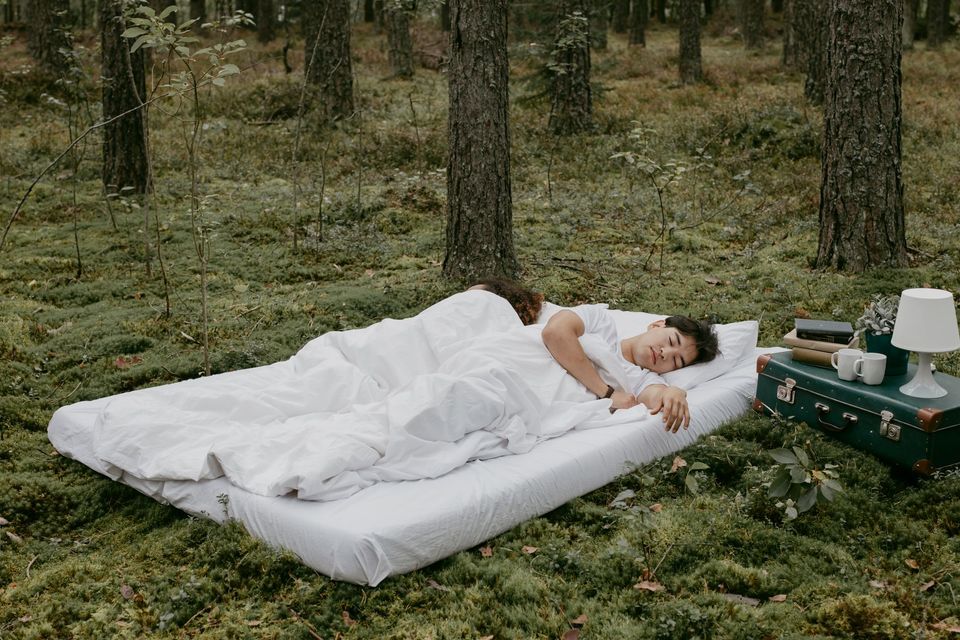
Verdict: a sleeping pad wins for warmth and toughness, and an air mattress wins for comfort on warm nights. In the sleeping pad vs air mattress question, the night temperature decides it. The ground pulls heat out of you all night, and the thing under you has to slow that down.
Most air mattresses are a bag of air. Air inside moves around, and it carries your heat to the cold ground. Many sleeping pads have foam or other fill inside to stop that. The maker usually gives a number called an R-value. A higher R-value means more insulation.
Which wins on
| What matters | Sleeping pad | Air mattress |
|---|---|---|
| Warmth on cold ground | Pad. Check the R-value | Poor unless the maker lists insulation |
| Comfort | Fine, thinner | Mattress. Thicker and softer |
| Carry size | Pad. Packs small | Packs bigger, plus a pump |
| Puncture risk | Foam pads cannot leak | A hole means a flat bed by morning |
| Setup | Quick | Slower, needs a pump or a lot of breath |
| Fits a tent floor | Easy | Can be too wide for a small tent |
Pick a sleeping pad if
- The forecast low is cool, or you are not sure.
- You walk to the campsite with your gear on your back.
- You want one less thing to fail.
- You camp in rough ground, with stones and sticks.
Pick an air mattress if
- You drive to the site and the nights are warm.
- You have a bad back and need a thick, soft surface.
- Your tent is big enough for it.
- You have power, a hand pump or a battery pump.
Worked example
Take two people on a mild summer night, with a car parked next to the tent. An air mattress is a good choice. Now the same two people in autumn, when the low is close to freezing. The same air mattress will feel cold from below, even in a good bag. A pad with a high R-value fixes that. You can also put a foam pad under the air mattress, which helps a lot.
What fails first with each
What goes wrong first. With an air mattress, it is the slow leak. It feels fine at 10 pm and flat at 3 am. Fix: test it at home for a night, carry the repair patch, and set it up on a smooth spot. With a pad, it is the cold. Fix: match the R-value to the lowest night, not the average one.
The rule that matters most
Choose by the coldest night, not the nicest one. You can always add a blanket on a warm night. You cannot add warmth from nowhere on a cold one. For cold trips, read sleeping pad R-value for cold camping before you buy.
Stacking one air mattress on another does not add warmth. Air on air is still air.
For the full cold-night plan, see how to stay warm in a tent in winter.
Quick questions
Is an air mattress warm enough for camping?
On warm nights, yes. On cool nights it usually is not, because the air inside carries heat away. Add a foam pad under it if you own one.
Do I need a sleeping pad if I have a thick sleeping bag?
Usually yes. The bag squashes flat under your weight, so it gives little warmth underneath you. The pad covers that gap.
What is a good first pad?
A self-inflating pad with a mid R-value suits most beginners. Check the maker's rating against your coldest night.
Can I sleep on a camping mat in a hammock tent?
Some people do, but a hammock needs its own insulation under it. Read the maker's guidance for your setup.
More to read
Keep reading
Gas stove vs wood fire for desert trips
A gas stove is the default for desert camping. A wood fire adds warmth and mood but depends on local rules, fuel supply and wind. Here is how to choose.
Élodie Fontaine3 min read
Headlamp vs flashlight for camping: which should you bring
Headlamp vs flashlight for camping: a headlamp frees your hands and suits most jobs, a flashlight throws light farther. Bring one of each if you can.
Karim Belkacem4 min read
How to keep a cooler cold while camping for days
How to keep a cooler cold while camping: pre-chill, pack in layers, use block ice, keep it in shade and open it less. A simple plan for a weekend.
Karim Belkacem4 min read
Weekend car camping packing list: what to bring for two nights
A weekend car camping packing list for two nights, sorted by when you need each item, with what to leave at home and what fails first.
Karim Belkacem4 min read
How big a power bank do you need for camping
How big a power bank for camping? A small one covers a phone for a weekend, but add capacity for kids, a headlamp, cold nights and a long trip.
Karim Belkacem2 min read
Camping kitchen box checklist: what to keep packed
A camping kitchen box checklist to keep packed all year, so cooking on a trip means grabbing one bin and adding food, fuel and a cooler.
Karim Belkacem5 min read