
Weekend car camping packing list: what to bring for two nights
A weekend car camping packing list for two nights, sorted by when you need each item, with what to leave at home and what fails first.
Karim Belkacem4 min read
A weekend car camping packing list is short if you pack by job. You need to sleep, eat, see, stay safe and stay dry. Everything else is extra.
Start with the five jobs. Add the extras last, when you know there is room.
The five jobs, in order
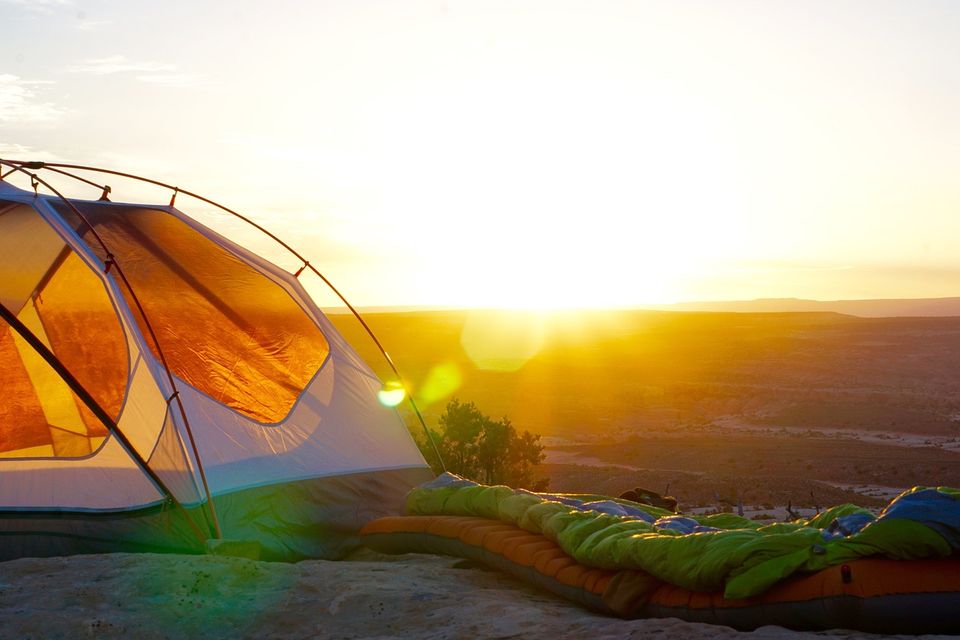
- Sleep. Tent, ground sheet, sleeping bag for the night low, pad, pillow.
- Eat. Stove, fuel, lighter, pot, pan, plates, cups, utensils, food, cooler, rubbish bags, dish soap.
- See. A headlamp for each person, spare batteries, one lantern.
- Stay safe. First aid kit, map or offline maps, whistle, sunscreen, repellent, a plan someone else knows.
- Stay dry and warm. Rain jacket, warm layer, spare socks, a hat.
Tick each one off as it goes in the bin.
What goes wrong first. The lighter or the matches. They get wet, lost or left on the table at home. Fix: keep a backup in a waterproof bag in the stove bin.
Pack in bins, by moment
Use three bins. One for the kitchen, one for sleep, one for everything else. Put the kitchen bin where you can reach it first. The bin you need last goes in first.
- Kitchen bin: stove, fuel, pots, plates, utensils, soap, sponge, towel, rubbish bags.
- Sleep bin: bags, pads, pillows, blanket, tent extras, mallet.
- Everything else: lights, first aid, tools, clothes, games.
The family camping packing guide goes further on bins by moment if you travel with children.
Water and fuel: do the sum first
Water and fuel maths. Example only. Two people, two nights, so about three days of use. Drinking water per person per day x 2 people x 3 days, plus water for cooking and washing, plus a reserve you do not open. For fuel, count the meals and hot drinks and add a third. If the total looks big, a refill point near camp changes the answer. See how much water per person per day.
Car camping lets you carry a lot. Use that room for water first. It is the one thing you cannot go without.
Food for two nights
Plan five or six meals and a few snacks. Raw meat and fresh food go on night one. Day two and three use tinned, dried or hard foods. Pack the cooler as in how to keep a cooler cold. Keep food sealed and out of the tent. Some areas have bears or other animals that learn to look for food, so follow the rules for the place you visit.
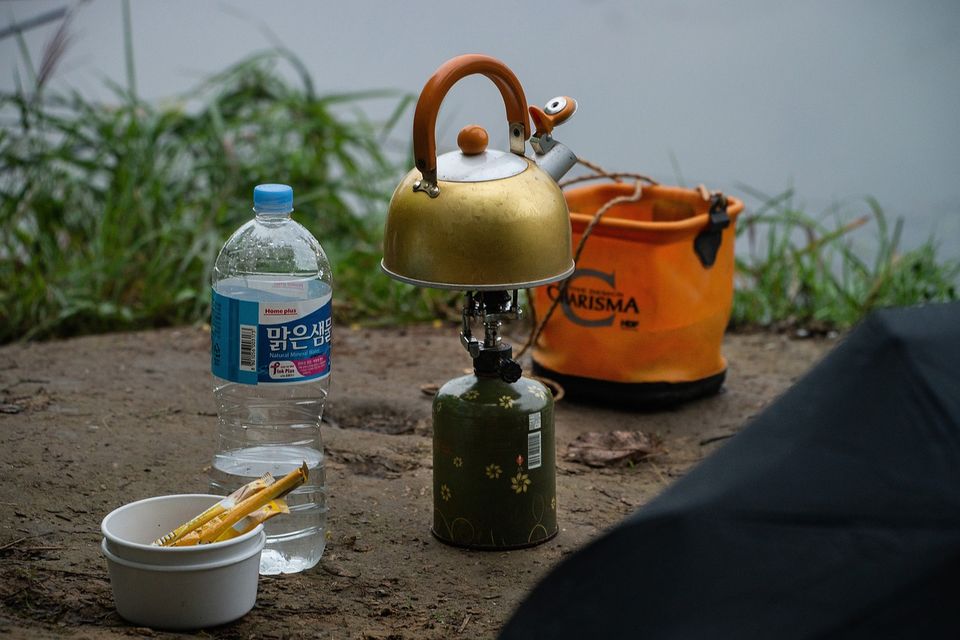
What goes wrong first. The wind. It blows out a flame or knocks a pot over. Fix: use a wind shield, and keep the stove low and level.
Clothes for the real forecast
Look at the forecast the night before and again in the morning. Pack for the cold end of it. Wear layers. Cotton stays wet and cold, so quick-dry fabric is better for a trip with rain or sweat.
- One outfit for the day, one for the night, one spare.
- Rain jacket, even if the forecast is dry.
- Warm hat and a dry pair of socks for sleeping.
- Sandals or a second pair of shoes for camp.
Leave at home
- Anything that needs power at camp, unless you have a plan.
- Glass.
- A second heavy chair.
- Gadgets you have not used yet.
Before you drive away
- Check the forecast.
- Walk down the five jobs and tick each.
- Tell someone where you will be and when you will be home.
- Arrive with daylight left.
Quick questions
What should I pack first for car camping?
Sleep gear and water. A cold, dry night in a good bag is a good trip. You can cook badly and still enjoy it.
How much food do I need for two nights?
Plan five or six meals and a few snacks, plus one spare meal that needs no cooking.
Do I need a tarp?
A ground sheet under the tent helps keep it dry. A second tarp over the kitchen helps in rain and sun.
What can I skip on a first trip?
Anything you have never used. Borrow or rent bigger items, and see what you miss.
More to read
Keep reading
Sleeping pad vs air mattress for camping: which to pick
Sleeping pad vs air mattress for camping: a pad keeps you warmer and lasts longer, an air mattress feels more like a bed. Here is how to choose for your trip.
Karim Belkacem4 min read
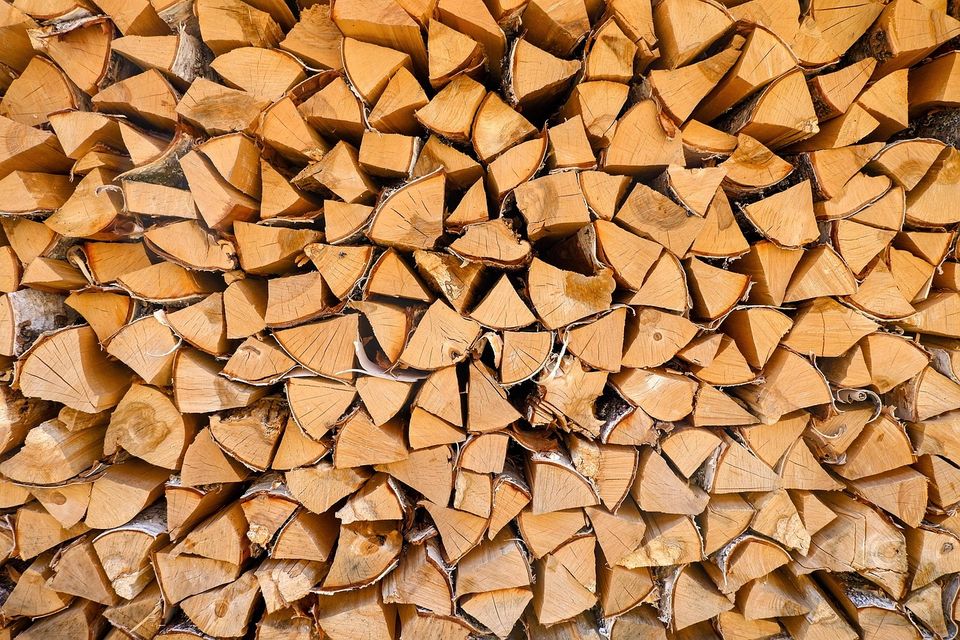
Gas stove vs wood fire for desert trips
A gas stove is the default for desert camping. A wood fire adds warmth and mood but depends on local rules, fuel supply and wind. Here is how to choose.
Élodie Fontaine3 min read
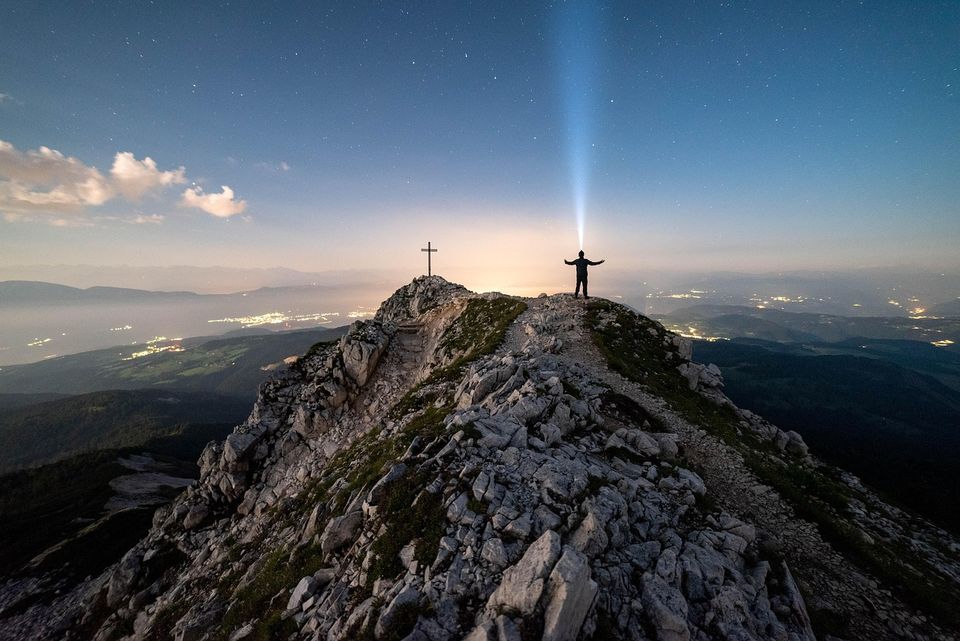
Headlamp vs flashlight for camping: which should you bring
Headlamp vs flashlight for camping: a headlamp frees your hands and suits most jobs, a flashlight throws light farther. Bring one of each if you can.
Karim Belkacem4 min read
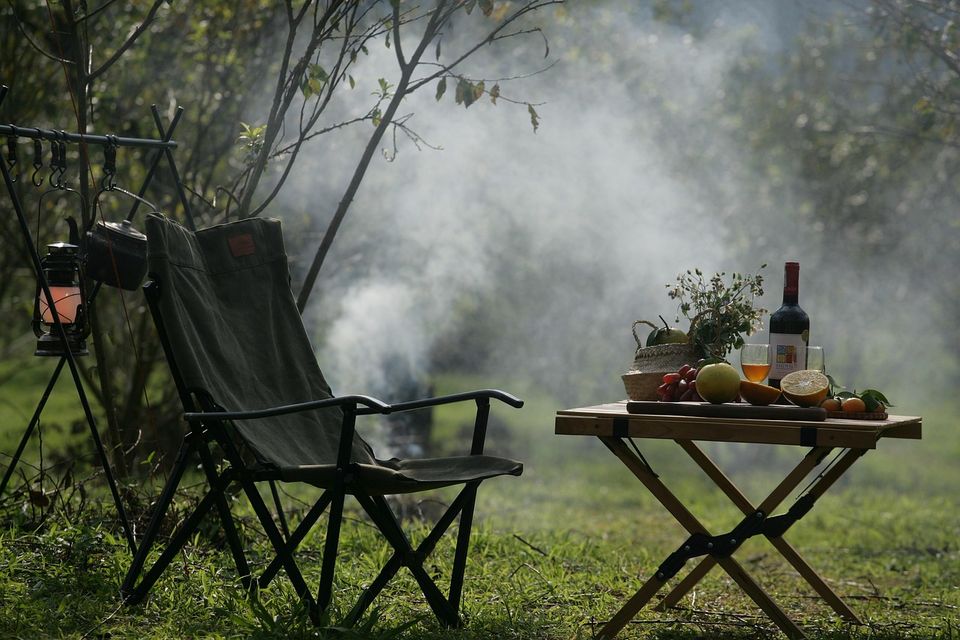
How to keep a cooler cold while camping for days
How to keep a cooler cold while camping: pre-chill, pack in layers, use block ice, keep it in shade and open it less. A simple plan for a weekend.
Karim Belkacem4 min read
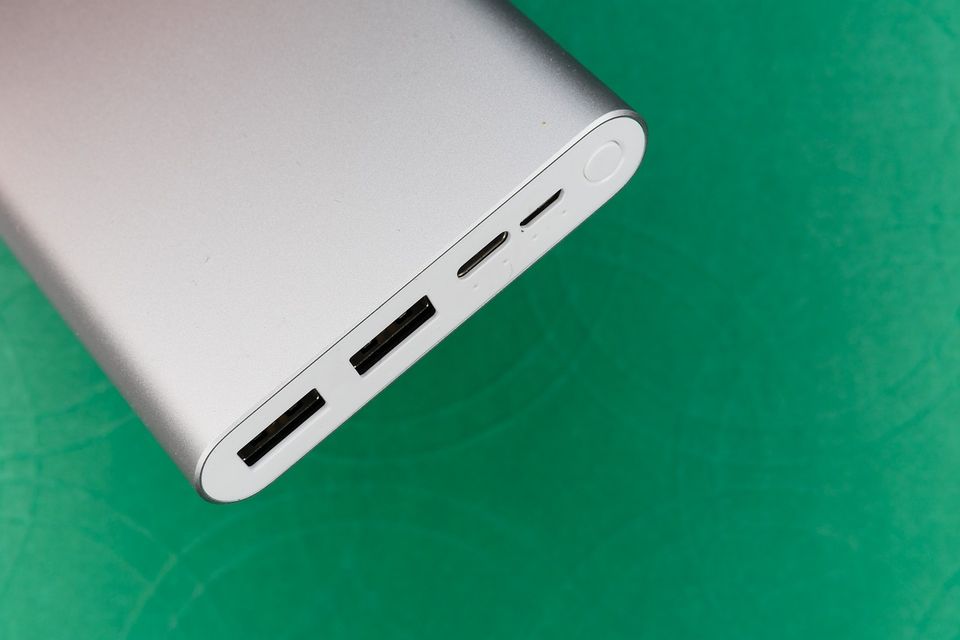
How big a power bank do you need for camping
How big a power bank for camping? A small one covers a phone for a weekend, but add capacity for kids, a headlamp, cold nights and a long trip.
Karim Belkacem2 min read
Camping kitchen box checklist: what to keep packed
A camping kitchen box checklist to keep packed all year, so cooking on a trip means grabbing one bin and adding food, fuel and a cooler.
Karim Belkacem5 min read