
How to choose a camping tent for your first trips
How to choose a camping tent: pick the size, seasons and weather cover that match your trips, and learn what fails first in wind and rain.
Élodie Fontaine4 min read
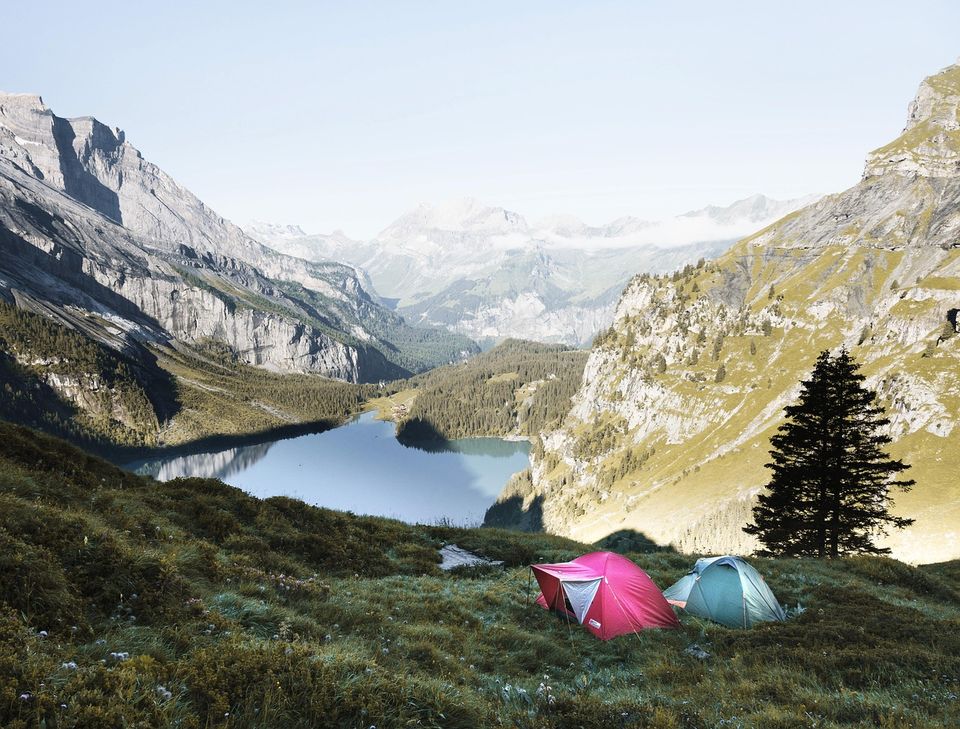
The best tent for a beginner is the one that stays dry, stays up and goes up in ten minutes. The size, the seasons and the weather cover decide that. Nothing else matters as much.
Here is how to choose a camping tent without reading forty spec sheets.
Step one: pick the size
Tent sizes are optimistic. A "2 person" tent often fits two sleeping pads edge to edge and nothing else. Use this rule:
Buy one size up from your group. Two adults, a 3 person tent. Two adults and a child, a 4 person tent.
That gives room for bags and boots. If you will also sit inside during rain, add more.
What goes wrong first. The bags. With a tight tent, bags end up outside or pressed against wet walls. Fix: buy larger, or plan a gear tarp.
Step two: match the seasons
Makers label tents by season. A 3 season tent is for spring, summer and autumn. A 4 season tent is for snow and strong wind. Most beginners need a 3 season tent. If you plan to camp in real cold or strong wind, read stay warm in a tent in winter first.
| Trip type | Tent type | What to check |
|---|---|---|
| Summer, car camping | 3 season dome | Mesh for air, a fly that reaches near the ground |
| Spring and autumn | 3 season dome | Waterproof fly, taped seams |
| Snow or high wind | 4 season | Strong poles, guy lines |
| Hot desert | Low, mesh, strong | Wind and sand notes from the maker |
Step three: check how it handles rain
Look for three things on the spec sheet or product page:
- A rainfly that covers the top and comes down near the ground.
- Taped seams, so water does not come through the stitching.
- A floor that curls up at the edges like a tub.
The maker may list a water rating in millimeters. A higher number means more water resistance, but the design of the fly matters as much.
Step four: think about setup
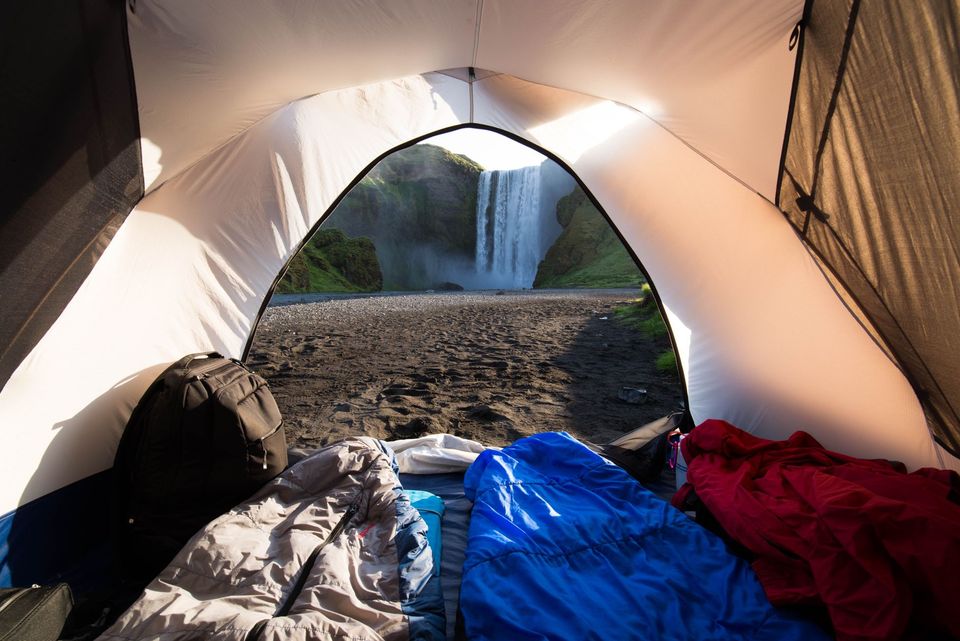
You will put it up tired, in a breeze, maybe in the dark. So choose a tent with:
- Colored or clipped poles, instead of a pile of sleeves.
- A design you can build alone.
- Doors you can reach without climbing over bags.
Put it up once at home. It takes ten minutes, and it saves a bad hour at the campsite.
Step five: buy the extras that matter
- A footprint or ground sheet under the floor. It protects the tent and keeps water out.
- Better stakes. The ones in the bag are often thin. For sand, see tent stakes for sand and loose ground.
- A mallet. A shoe is a poor hammer.
What goes wrong first. Wind on a tall, flat-sided tent. Fix: face the low side into the wind, use every guy line and pitch behind a windbreak where you can.
Where the answer changes
If you will carry the tent on your back, weight matters more than space. Light tents cost more in comfort. For car camping, comfort and room should win.
If you are unsure, hire or borrow a tent for the first trip. The beginner camping gear checklist lists what else to borrow.
Quick questions
How many people fit in a 2 person tent?
Two, tightly, with little room for gear. Most campers go one size up.
Do I need a 4 season tent?
Not for most trips. A 3 season tent handles spring to autumn. A 4 season tent is for snow and strong wind.
Do I need a tent footprint?
It helps. It protects the floor from stones and lets you keep the tent clean. A cut-to-size tarp works too.
How do I keep my tent dry inside?
Keep the fly taut, do not touch the walls, and open vents to let moist air out. Wet clothes stay outside the sleeping area.
More to read
Keep reading

Easy camping meals for beginners with one pot or no stove
Easy camping meals for beginners: one-pot dinners, no-cook backups and a simple plan for breakfast, lunch and dinner on a two-night trip.
Élodie Fontaine4 min read
What to do when it rains while camping
What to do when it rains while camping: get gear under cover, keep one set of clothes dry, stay out of low spots and decide when to pack up and go home.
Élodie Fontaine2 min read
Beginner camping gear checklist
A beginner camping gear checklist for a first overnight trip: what you really need for sleep, food, light and safety, and what to borrow or skip.
Élodie Fontaine2 min read
Car camping vs backpacking for beginners: where to start
Car camping vs backpacking for beginners: start with car camping to learn your gear and habits, then move to backpacking once you know what you need.
Karim Belkacem4 min read
How to pick a campsite and a pitch for beginners
How to pick a campsite and a tent pitch as a beginner: choose a simple site close to home, then pick flat, dry ground away from hazards and wind.
Élodie Fontaine2 min read
How to set up a tent for the first time, step by step
How to set up a tent for the first time: pick flat ground, lay the footprint, build the poles, stake it down and add the rainfly in the right order.
Élodie Fontaine5 min read