
Car camping vs backpacking for beginners: where to start
Car camping vs backpacking for beginners: start with car camping to learn your gear and habits, then move to backpacking once you know what you need.
Karim Belkacem4 min read
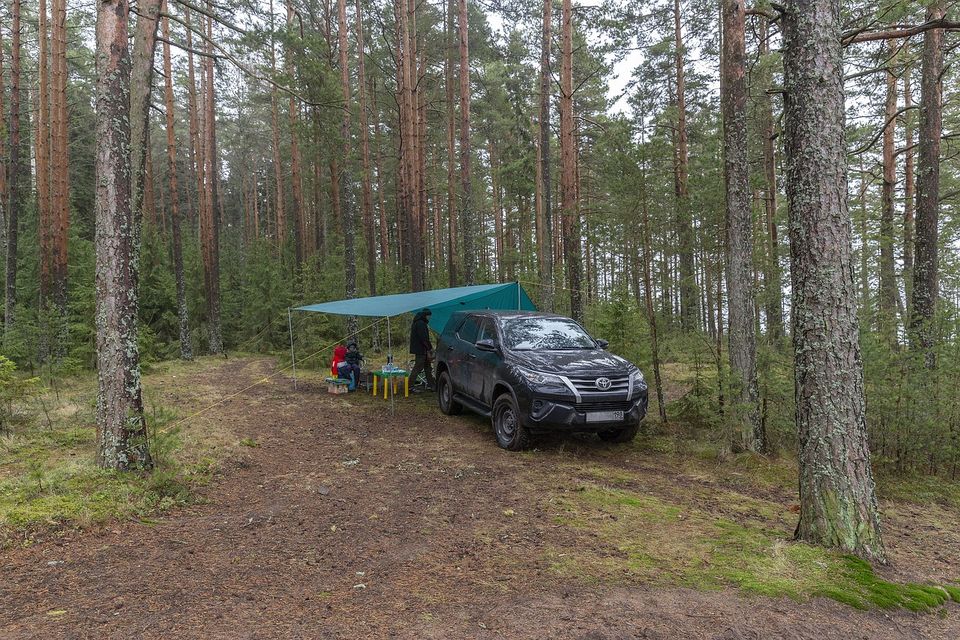
Verdict: start with car camping. You carry less on your back, you can drive out if something goes wrong and you find out what gear you actually use. Backpacking comes next, once you know you like sleeping outdoors.
Which wins on
| Factor | Car camping | Backpacking |
|---|---|---|
| Weight you carry | The car carries it | Everything is on your back |
| Gear cost | Low, bulky gear is fine | Higher, light gear matters |
| Comfort | Big tent, chairs, cooler | Small tent, minimal food |
| Getting help | Drive out | Hike out |
| Skills needed | Basic | More: navigation, water, weight |
| Quiet and views | Often busy | Often quiet |
Pick car camping if
- It is your first, second or third trip.
- You are going with kids.
- You want a proper meal, a chair and a good sleep.
- You are unsure about gear and want to borrow or buy cheaply.
Read weekend car camping packing list for what to bring.
Pick backpacking if
- You already camp comfortably and want quiet.
- You are fit enough to carry a pack for several hours.
- You are happy with simple food and fewer comforts.
- You can navigate and handle changing weather.
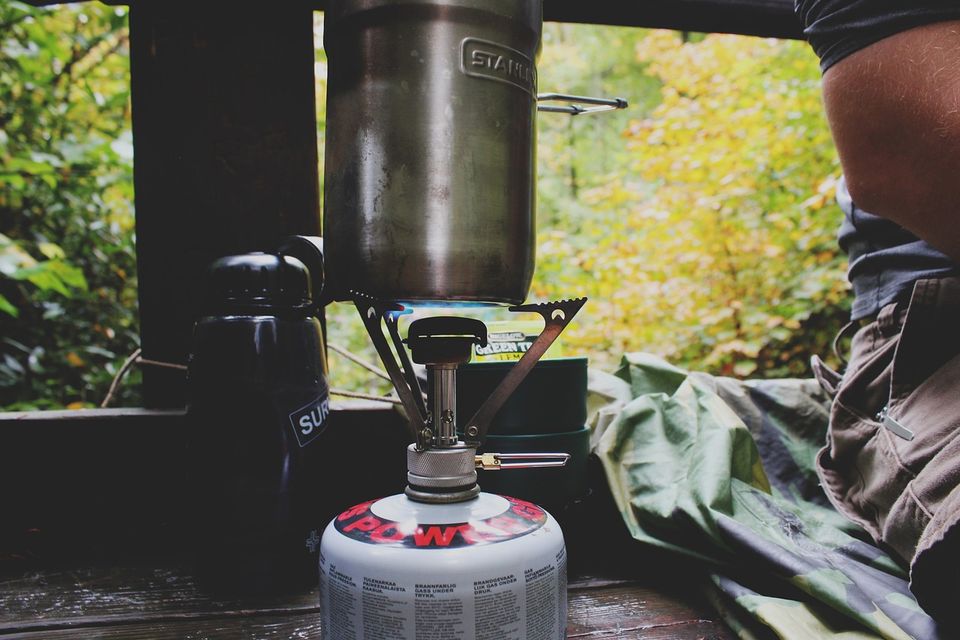
Backpacking means you carry shelter, food, water and sleeping gear for the whole trip. Weight is the main problem. Every item is a decision. Check day hike essentials checklist before you try a night out.
The rule that matters most: go where you can get out. On a first overnight trip, choose a place close to the road, with a short walk, so you can leave if it goes wrong.
What goes wrong first
For car campers, it is overpacking and chaos at the site. Use a bin system. For backpackers, it is feet and weight. See how to prevent blisters when hiking and pack only what you use.
A cautious note
Tell someone where you are going and when you will be back. Check the forecast. Learn the rules for fire and food storage where you are going, using the official page of the park.
A path from the first trip to the first backpacking trip
Moving up in steps removes most of the risk.
- Camp in the yard or a nearby campground. Test your tent and bag for one night.
- Do a car camping weekend. Learn to cook, stay warm and run a camp.
- Try a walk-in campsite. Carry your gear a short way from the car.
- Take a short backpack trip. One night, a few kilometres, a clear trail, good weather.
- Build up. Add distance and nights as you gain skills.
At each step, note what you did not use and what you missed. Backpacking rewards a short list.
What changes in your gear
| Item | Car camping | Backpacking |
|---|---|---|
| Tent | Roomy, heavy is fine | Small, light |
| Sleeping pad | Thick and comfortable | Thinner, lighter |
| Stove | Two-burner or small | Small canister |
| Food | Fresh, cooler | Dry, light |
| Chair | Yes | Probably not |
Do not buy backpacking gear until you know you want it. Light gear tends to cost more and wear out sooner.
Quick questions
Can I use the same gear for both?
Some of it. A stove, a headlamp and a sleeping pad can work for both. A big tent and a heavy cooler cannot.
Is backpacking harder than car camping?
It asks more of your fitness, planning and gear. It is not hard if you build up in steps.
Should I try a walk-in campsite first?
That is a good middle step. You carry gear a short way from the car to the site. If it goes badly, the car is near.
How many trips before I try backpacking?
There is no number. Move on when you are comfortable setting up, cooking and sleeping in your gear.
More to read
Keep reading
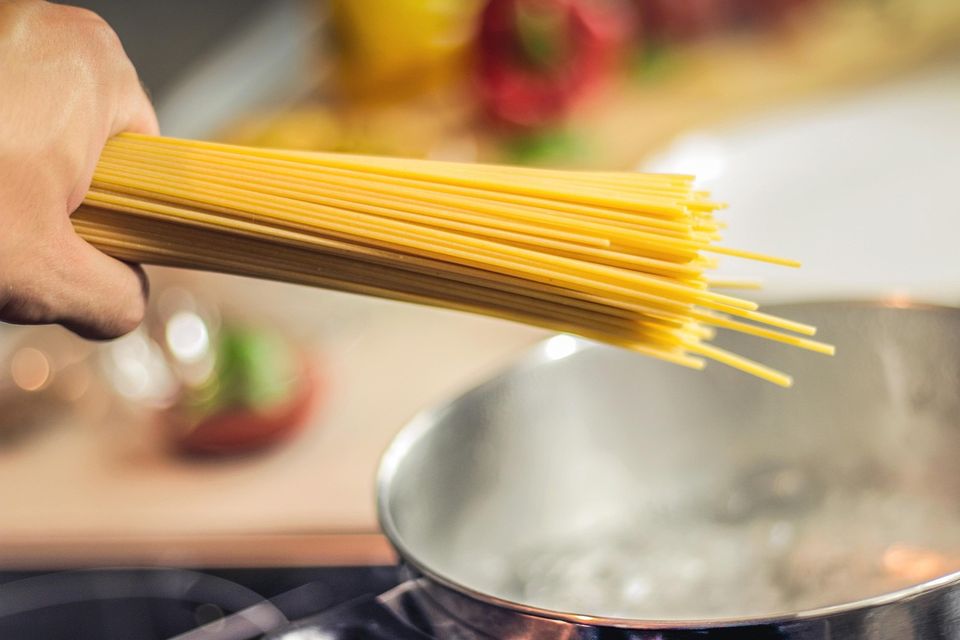
Easy camping meals for beginners with one pot or no stove
Easy camping meals for beginners: one-pot dinners, no-cook backups and a simple plan for breakfast, lunch and dinner on a two-night trip.
Élodie Fontaine4 min read
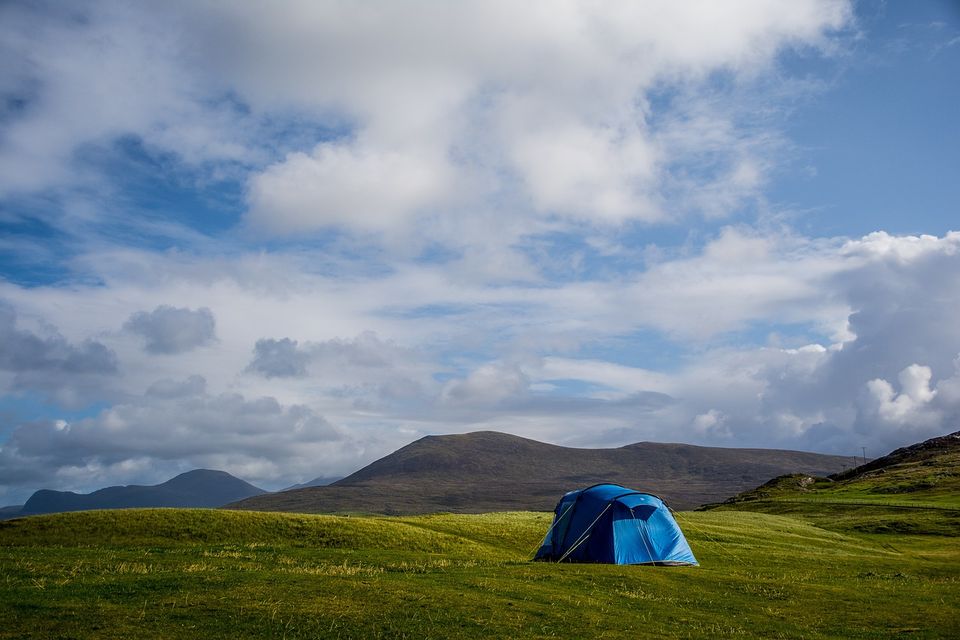
What to do when it rains while camping
What to do when it rains while camping: get gear under cover, keep one set of clothes dry, stay out of low spots and decide when to pack up and go home.
Élodie Fontaine2 min read
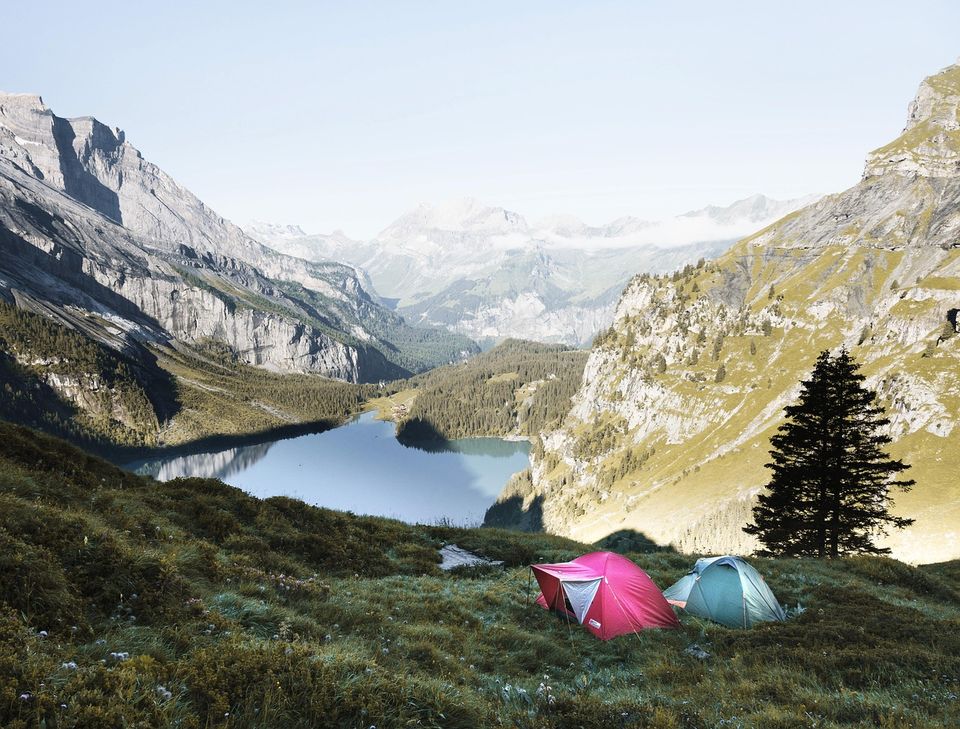
How to choose a camping tent for your first trips
How to choose a camping tent: pick the size, seasons and weather cover that match your trips, and learn what fails first in wind and rain.
Élodie Fontaine4 min read
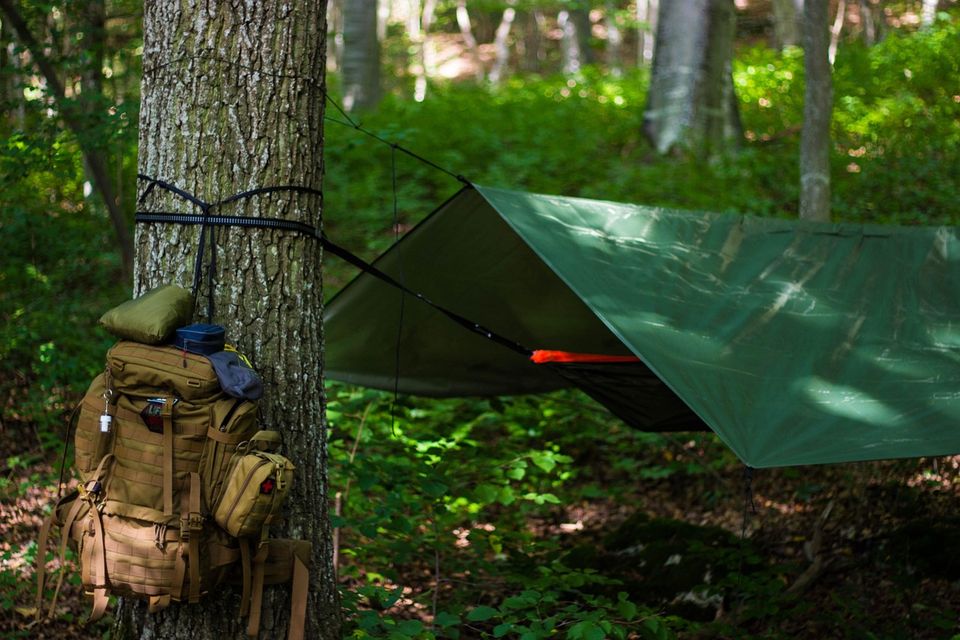
Beginner camping gear checklist
A beginner camping gear checklist for a first overnight trip: what you really need for sleep, food, light and safety, and what to borrow or skip.
Élodie Fontaine2 min read
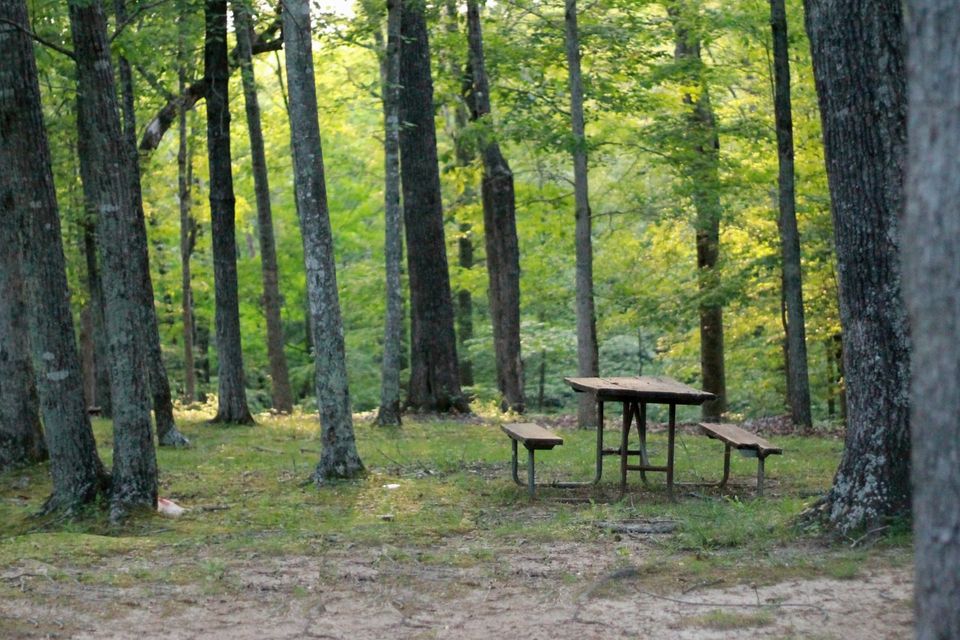
How to pick a campsite and a pitch for beginners
How to pick a campsite and a tent pitch as a beginner: choose a simple site close to home, then pick flat, dry ground away from hazards and wind.
Élodie Fontaine2 min read
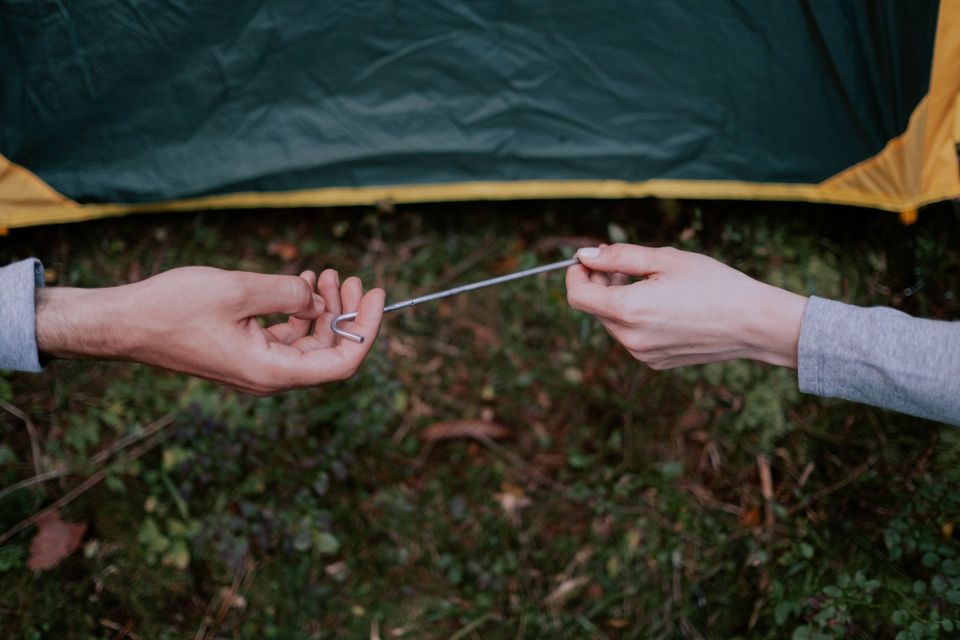
How to set up a tent for the first time, step by step
How to set up a tent for the first time: pick flat ground, lay the footprint, build the poles, stake it down and add the rainfly in the right order.
Élodie Fontaine5 min read