
Canister stove vs liquid fuel stove for camping
Canister stove vs liquid fuel stove for camping: canister stoves are easier for most trips, liquid fuel stoves suit deep cold, long trips and remote places.
Karim Belkacem4 min read
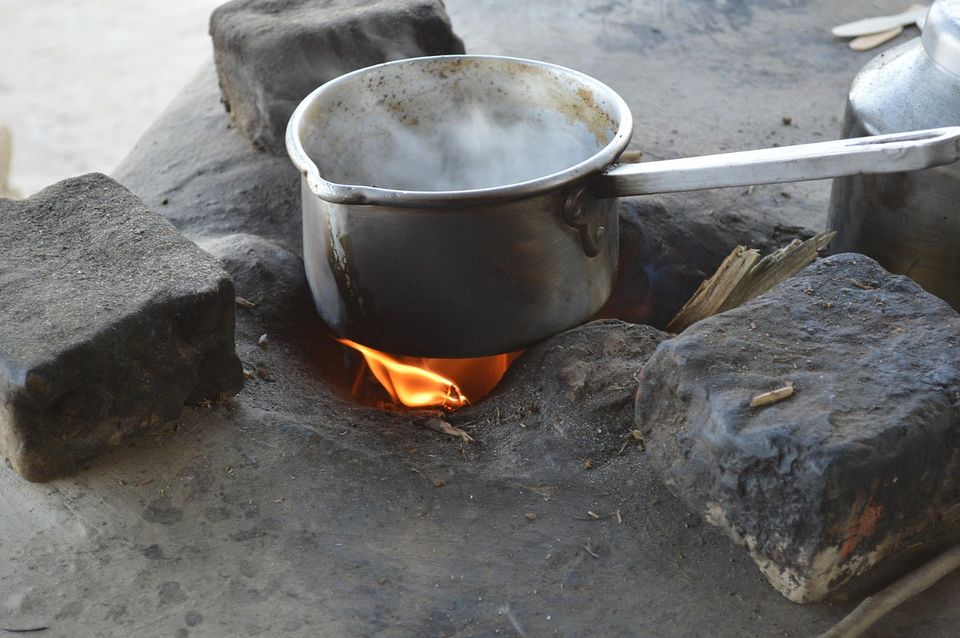
Verdict: a canister stove is the better choice for most people. You screw on a fuel can, turn a knob and light it. A liquid fuel stove wins when it is very cold, when the trip is long, or when you may not find canisters where you are going.
Which wins on
| Factor | Canister stove | Liquid fuel stove |
|---|---|---|
| Setup | Screw on and light | Pump, prime and light |
| Learning curve | Low | Medium |
| Cold weather | Weaker as the can gets cold | Stronger |
| Wind | Needs a windscreen | Needs a windscreen |
| Fuel you can find | Camping and outdoor shops | Outdoor shops, some use car fuel |
| Care | Almost none | Needs cleaning now and then |
| Weight of fuel | Heavier per meal on long trips | Lighter on long trips |
Pick a canister stove if
- You camp for one to four nights and drive to the site.
- You want to boil water and make simple meals.
- You do not want to learn a routine before dinner.
- You camp mostly in mild or warm weather.
The fuel is a mix of gases kept under pressure in a can. In cold air the pressure drops, so the flame gets weaker. The maker's page usually lists a working range, so check it for your stove and can.
Pick a liquid fuel stove if
- You camp in deep cold, where a canister may struggle.
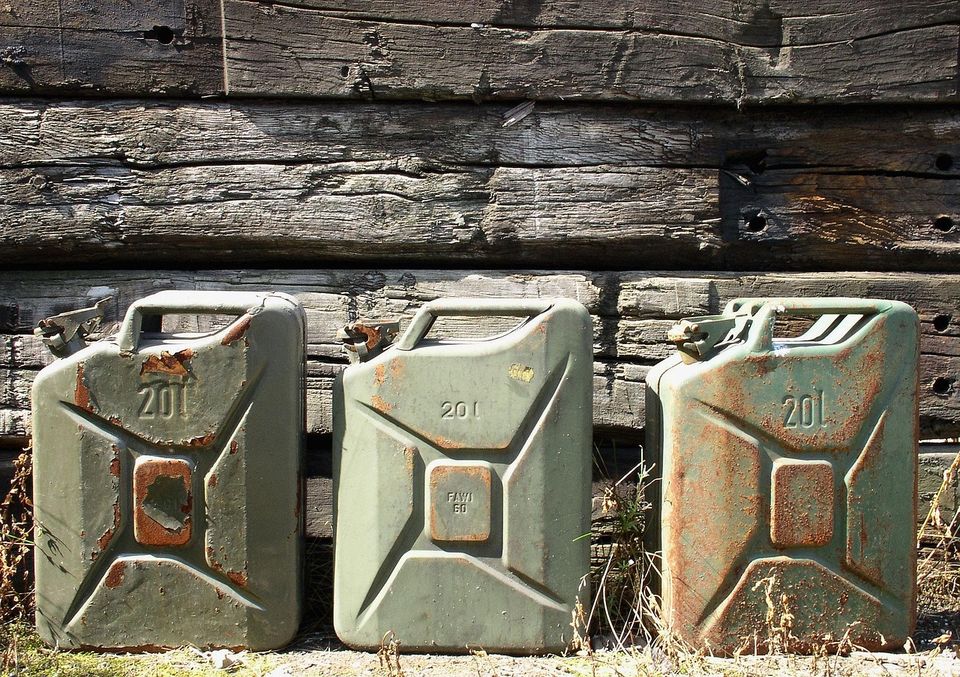
- You are away for many days and want to carry fuel by the bottle, not by the can.
- You travel to places where canisters are hard to buy.
- You like gear you can clean and repair.
You pour fuel into a refillable bottle, pump it to build pressure, then light a small amount first to warm the line. Read the maker's instructions and practice at home once. A stove is not the place to learn by doing on a cold night.
The rule that matters most: match the stove to the coldest night and the longest trip you plan, not the average one.
What goes wrong first
With a canister stove, it is the cold. A weak flame means a slow boil. Keep the can in your sleeping bag overnight or in a pocket before you cook. With a liquid fuel stove, it is a clogged line or a missed prime. Practice the steps at home, and carry the cleaning kit that came with it.
A short caution
Never cook inside a tent. Stoves make carbon monoxide (a gas you cannot see or smell) and can set fabric alight. Cook outside, on flat ground, away from the tent door. For the same reason, see is it safe to use a heater in a tent. If you are comparing a stove with an open fire in dry country, read gas stove vs wood fire for desert trips.
A worked example
These are examples with round numbers, not tests.
Weekend trip, two people, mild weather. You boil water for tea, make pasta twice and heat some beans. A small canister covers it, and a simple stove is all you need.
Seven-day trip, two people, deep cold. You melt snow for water, cook every meal and make hot drinks all day. You use a lot of fuel, and the canisters are heavy to carry and weak in the cold. A liquid fuel stove with a refillable bottle is a better fit.
Group of six, car camping. A two-burner stove on a table with larger canisters or a propane bottle suits this better than a small backpacking stove. Check what your stove accepts.
Questions to ask yourself
- What is the coldest night I plan for?
- How many days am I away from a shop?
- Do I want to learn a routine, or just light the stove?
- Will I fly with it?
Your answers point to one stove. Two answers on each side mean the canister stove is still the easy default.
Quick questions
Can I fly with a fuel canister?
Rules usually ban fuel canisters and fuel bottles with fuel in them from flights. Check the airline and airport rules, and plan to buy fuel at your destination.
Which stove is easier for a beginner?
A canister stove. There is no pumping and no priming, and meals are as simple as boiling water. Easy camping meals for beginners fits that kind of stove well.
Do I need a windscreen?
In any breeze, yes. Wind steals heat and wastes fuel. Use a windscreen made for your stove, and keep it from touching a canister, because trapped heat can be dangerous.
More to read
Keep reading
Sleeping pad vs air mattress for camping: which to pick
Sleeping pad vs air mattress for camping: a pad keeps you warmer and lasts longer, an air mattress feels more like a bed. Here is how to choose for your trip.
Karim Belkacem4 min read
Gas stove vs wood fire for desert trips
A gas stove is the default for desert camping. A wood fire adds warmth and mood but depends on local rules, fuel supply and wind. Here is how to choose.
Élodie Fontaine3 min read
Headlamp vs flashlight for camping: which should you bring
Headlamp vs flashlight for camping: a headlamp frees your hands and suits most jobs, a flashlight throws light farther. Bring one of each if you can.
Karim Belkacem4 min read
How to keep a cooler cold while camping for days
How to keep a cooler cold while camping: pre-chill, pack in layers, use block ice, keep it in shade and open it less. A simple plan for a weekend.
Karim Belkacem4 min read
Weekend car camping packing list: what to bring for two nights
A weekend car camping packing list for two nights, sorted by when you need each item, with what to leave at home and what fails first.
Karim Belkacem4 min read
How big a power bank do you need for camping
How big a power bank for camping? A small one covers a phone for a weekend, but add capacity for kids, a headlamp, cold nights and a long trip.
Karim Belkacem2 min read