
First time camping mistakes to avoid on your first trip
First time camping mistakes to avoid: late arrival, wet ground, thin sleeping gear, no test run and no plan for rain, with a simple fix for each.
Élodie Fontaine5 min read
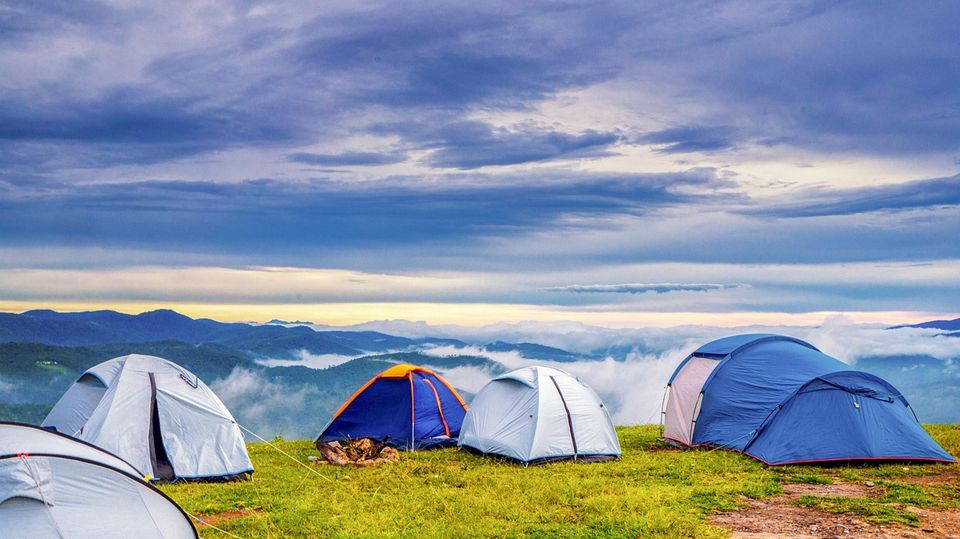
Most first camping trips go wrong in the same few ways. People arrive late, skip a test pitch, sleep cold from the ground and have no plan for rain. Here are those four, plus a few small ones, and what to do instead.
The big one: arriving after dark
Setting up a tent in the dark, with kids or a tired partner, makes everything harder. You miss good ground, drop small parts and decide badly about where to put the tent.
Rule: plan to arrive with at least two hours of daylight left. If the drive is long, shorten the trip or camp closer to home. If you will arrive late, choose a campsite where your spot is marked and flat.
What goes wrong first. The headlamp is at the bottom of a bag. Keep it in your pocket on arrival day. Keep it where you can reach it.
Skipping a test pitch
A tent you have never put up can take an hour the first time. Poles may be missing, and instructions are hard to read at dusk.
Put it up once in the yard or a park. Check every pole, stake and the rainfly. Learn how it packs. Then pack it the same way every time. How to set up a tent for the first time walks through it.
Sleeping cold from the ground
The ground pulls heat from you faster than the air does, even in summer. People bring a good sleeping bag and a thin mat and wake up cold.
Rule: put a real sleeping pad under you, not just a blanket. The next question is how warm it needs to be. Sleeping pad vs air mattress helps you choose.
No plan for rain
Rain does not ruin a trip. Having nowhere dry to sit and cook does. Pack a tarp to rig over the cooking spot, a change of dry clothes in a sealed bag and a board game. What to do when it rains while camping has the simple plan.
Pitching in the wrong spot
Common first-timer errors:
- Low spots, where water collects in rain.
- Under dead branches that can fall.
- Near a stream bank that can rise.
- On a slope, so you slide all night.
- In the middle of a path.
Pick flat ground, slightly raised, with the door facing away from the wind. Clear stones and sticks first.
Bringing too much, or the wrong things
You do not need everything. You do need these: shelter, sleep system, light, water, food, a way to cook and a first aid kit. The beginner camping gear checklist lists them without extras.
Food mistakes
- Planning complicated meals. Keep the first trip simple: one pot, few ingredients.
- Forgetting the can opener.
- Not storing food properly. Follow the campground's rules on wildlife and food storage.
Skipping the plan
Tell someone where you are going and when you will be back. Check the forecast the day before. Check the campground's rules, fees and fire rules on the official page.
A simple first weekend plan
A plan keeps the day from slipping. This is an example, so change the times to suit you.
| Time | What to do |
|---|---|
| Friday afternoon | Load the car, check the list, leave with daylight to spare |
| On arrival | Walk the site, pick the pitch, put up the tent first |
| Early evening | Set up beds and the kitchen, then cook something easy |
| After dark | Fire if allowed, or lights and a game, early bed |
| Saturday | Slow breakfast, a short walk, rest in the middle of the day |
| Sunday | Pack in stages, leave the site clean, drive home before you are tired |
Mistakes about people, not gear
Gear gets the blame, but plans fail on people too.
- Planning too much. A first trip with a full schedule leaves no space to rest. Leave gaps.
- Not telling the group what to expect. Say before you go that sleep may be rough and the toilet may be a walk away.
- Ignoring tired kids or friends. A hungry, cold person turns a good trip sour. Feed and warm people first.
- Not agreeing on a stop point. Decide in advance what would make you go home, such as a bad forecast.
What goes wrong first. Hunger and tiredness. Keep snacks within reach, and call a rest before anyone asks for one.
After the trip
Make a short note on your phone while it is fresh. What did you forget? What did you not use? What would you move? The second trip is better than the first for nearly everyone who does this.
Quick questions
What is the most common first-time mistake?
Arriving late. It makes every other problem worse, so plan for daylight.
How do I stop being cold?
Insulate under you with a proper pad, wear dry clothes to bed and use a bag with a rating below the expected low.
Should I go somewhere remote on my first trip?
No. Choose a campground with a toilet, water and an easy road, close to home.
Do I need expensive gear?
Not for a first trip. Borrow or hire what you can, then buy what you wish you had.
More to read
Keep reading

Easy camping meals for beginners with one pot or no stove
Easy camping meals for beginners: one-pot dinners, no-cook backups and a simple plan for breakfast, lunch and dinner on a two-night trip.
Élodie Fontaine4 min read
What to do when it rains while camping
What to do when it rains while camping: get gear under cover, keep one set of clothes dry, stay out of low spots and decide when to pack up and go home.
Élodie Fontaine2 min read
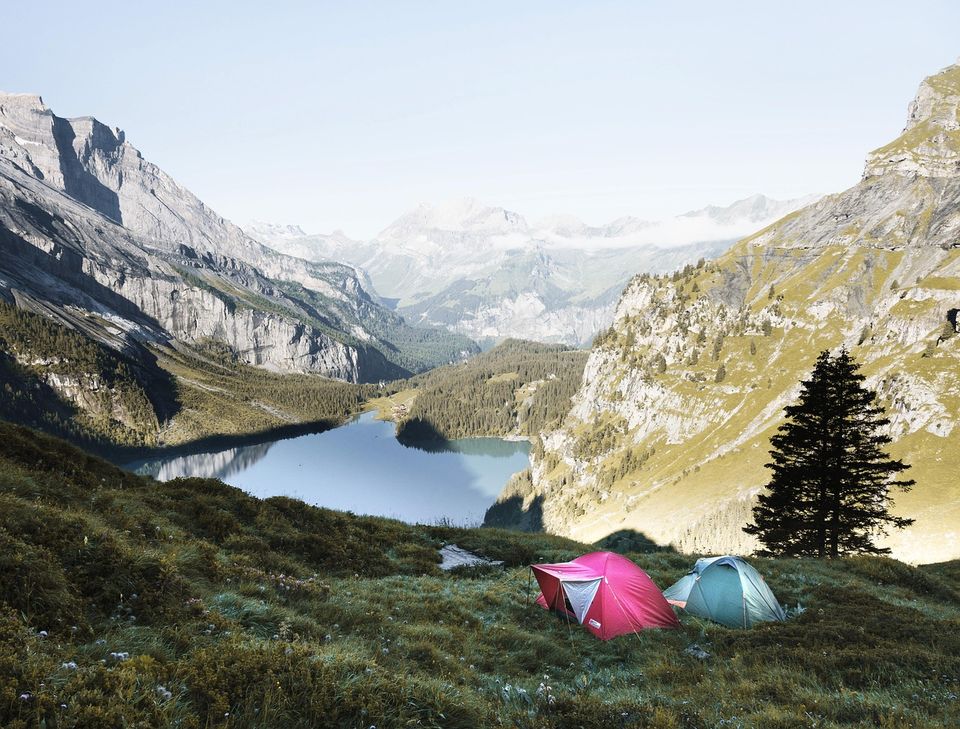
How to choose a camping tent for your first trips
How to choose a camping tent: pick the size, seasons and weather cover that match your trips, and learn what fails first in wind and rain.
Élodie Fontaine4 min read
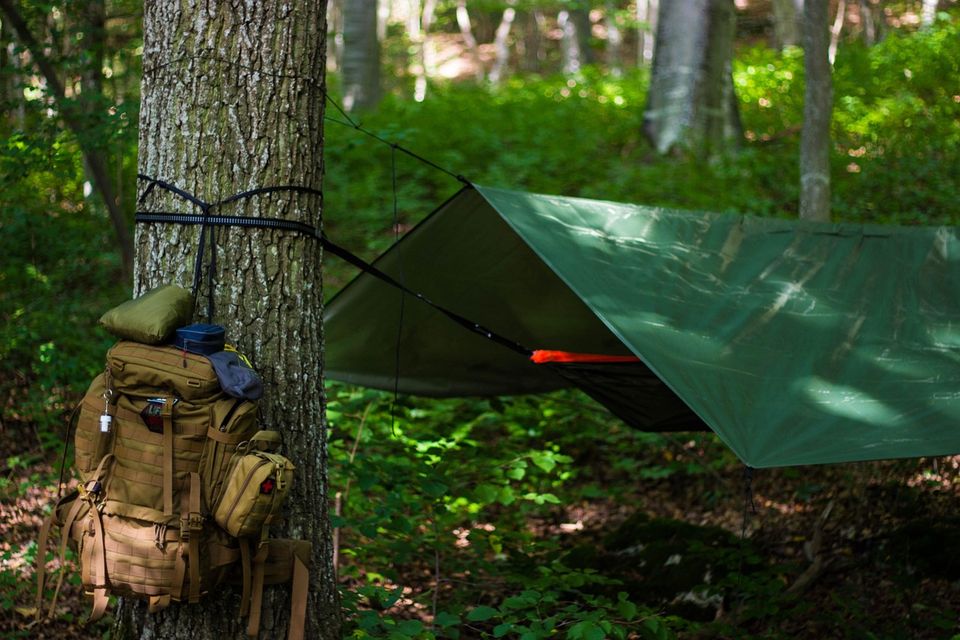
Beginner camping gear checklist
A beginner camping gear checklist for a first overnight trip: what you really need for sleep, food, light and safety, and what to borrow or skip.
Élodie Fontaine2 min read
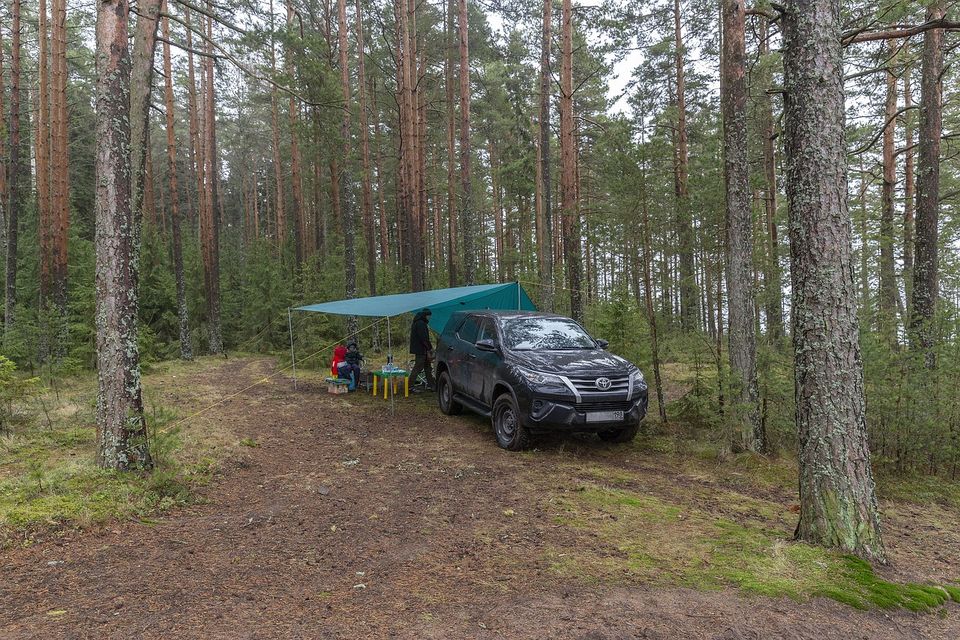
Car camping vs backpacking for beginners: where to start
Car camping vs backpacking for beginners: start with car camping to learn your gear and habits, then move to backpacking once you know what you need.
Karim Belkacem4 min read
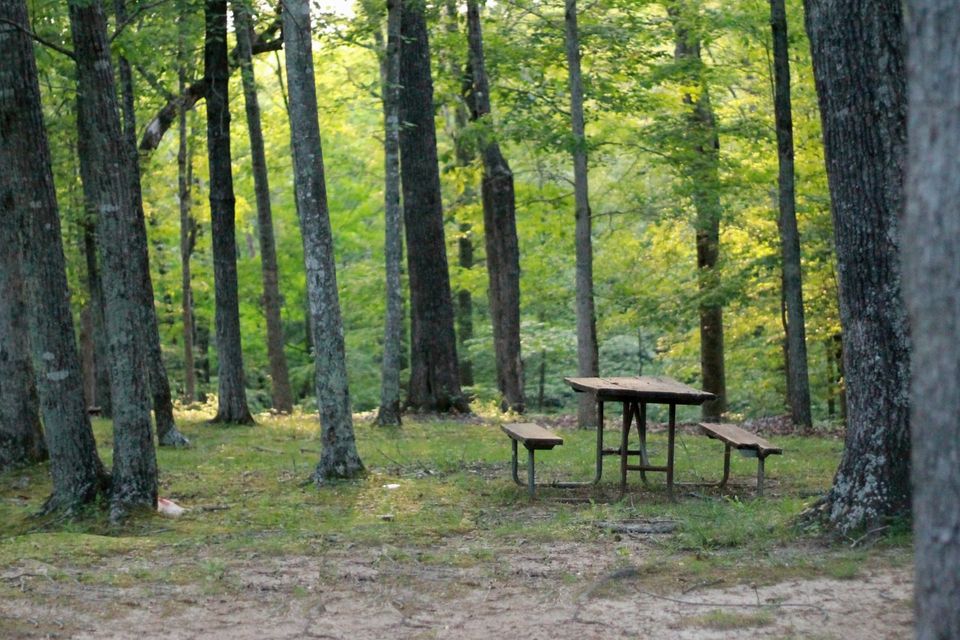
How to pick a campsite and a pitch for beginners
How to pick a campsite and a tent pitch as a beginner: choose a simple site close to home, then pick flat, dry ground away from hazards and wind.
Élodie Fontaine2 min read