
Camping first aid kit checklist: what to pack
Camping first aid kit checklist: what to pack for cuts, blisters, burns, stings and sprains, and how to size a kit for the length of your trip.
Élodie Fontaine5 min read
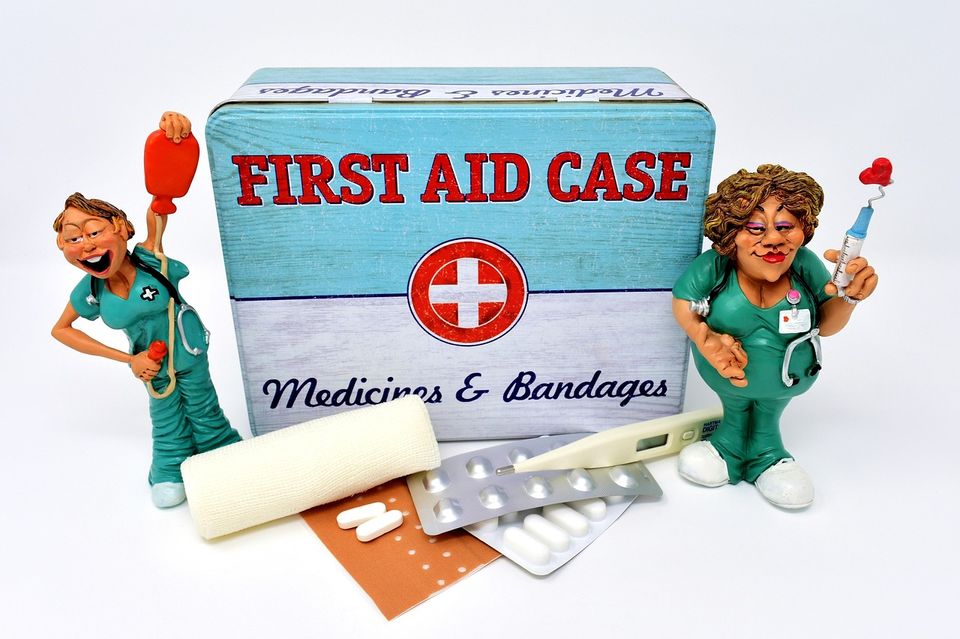
A camping first aid kit should cover the small things that go wrong most: cuts, blisters, burns, stings, sprains and headaches. For anything serious, the kit buys you time until you reach help. This page is general information. Ask a doctor or take a first aid course for real training.
The decision rule
Size the kit by two things: how many people, and how far from help you will be.
- Car camping near a town: a basic kit, plus your own medicines.
- A day or weekend hike: a smaller kit in your pack, with more focus on blisters and sprains.
- Remote or multi-day trips: a bigger kit and a trained person in the group.
A ready-made kit is a fine start. Open it at home and add what is missing.
What goes in every kit
| For | Pack |
|---|---|
| Cuts and scrapes | Adhesive bandages in a few sizes, gauze pads, medical tape, antiseptic wipes |
| Bleeding | A larger sterile dressing and a roll bandage |
| Blisters | Blister pads or tape, to cover a hot spot early |
| Sprains | An elastic wrap |
| Burns | Sterile non-stick dressings, a cool pack |
| Stings and bites | Sting relief wipes, tweezers for ticks and stingers |
| Pain and fever | The pain medicine you normally use |
| Tools | Small scissors, tweezers, disposable gloves |
| Warmth | An emergency blanket |
Add a printed card with emergency numbers and your plan. A phone may not have a signal.
What goes wrong first. The kit is out of date or in the wrong bag. Medicines expire and tape dries out. Check the kit before every season and keep it where anyone can reach it.
Your own medicines
Pack what each person needs: regular medicines, an allergy treatment, and an auto-injector if a doctor has prescribed one. Keep these in the original packaging. Tell the group where they are. Ask a doctor or pharmacist what to carry for allergies, asthma or other conditions, because this site cannot advise on that.
Add for the conditions
Heat: oral rehydration salts, sunscreen, and something to cool a person down. See what makes a night in the desert different for how quickly conditions change.
Cold: hand warmers and a spare dry layer. Stay warm in a tent in winter covers the plan.
Hiking: extra blister care. How to prevent blisters when hiking shows how to stop them early.
Kids: child-size doses of the medicines a doctor has agreed to, and a few kid-friendly bandages. Family camping packing guide has more.
Learn it before you need it
A kit is only as good as the person using it. A basic first aid course takes a few hours and is worth it for anyone who camps with kids or goes far from help. Read the instructions on each item at home, not at the campsite.
Before you leave, tell someone your route and return time. The National Park Service lists a first aid kit among its ten essentials for hiking.
Common situations and the first move
These are general first moves, not medical advice. A course will teach you more.
- Cut or scrape: rinse with clean water, cover with a dressing and press if it bleeds. Keep it clean and dry.
- Burn from a stove or fire: cool the area under cool running water, then cover loosely with a clean non-stick dressing. Get medical help for large or deep burns.
- Sprain: rest, wrap with an elastic bandage, raise the limb and keep weight off it. If it is very painful or you cannot put weight on it, walk out with help or call for it.
- Sting or bite: remove the stinger or tick with tweezers, clean the spot and watch for a strong reaction. Call emergency services for signs of a severe allergic reaction.
- Headache or upset stomach: rest in shade, sip water and eat something plain.
What goes wrong first. People wait too long. A small hot spot becomes a blister, and a small cut becomes a sore one. Treat small things early.
How to pack and store the kit
Use a bag in a bright colour, so it is easy to spot. Put items in zip bags by problem: one for cuts, one for blisters, one for medicines. Label the bags. Keep the kit in the same place every trip, such as the top of the car trunk or the lid pocket of your pack.
Keep a small card in the kit with:
- Each person's name and any allergies
- Emergency contacts
- The address or grid reference of the camp
- The nearest hospital or clinic, if you know it
For a group, tell everyone where the kit is and who knows how to use it. On a hike, each person can carry a small personal kit, and one person carries the larger one.
Quick questions
Do I need a different kit for camping than for home?
Mostly the same, but pack lighter and add blister care, tick tools and an emergency blanket. Keep it in a waterproof bag.
Should I pop a blister?
General advice is to leave it intact and cover it. Ask a medical professional if it is large, painful or looks infected.
How often should I check my kit?
Before each season and after each trip. Replace anything used, damaged or out of date.
What if someone is badly hurt?
Call the local emergency number if you have a signal, and get help moving. A first aid kit does not replace a doctor.
More to read
Keep reading
Sleeping pad vs air mattress for camping: which to pick
Sleeping pad vs air mattress for camping: a pad keeps you warmer and lasts longer, an air mattress feels more like a bed. Here is how to choose for your trip.
Karim Belkacem4 min read
Gas stove vs wood fire for desert trips
A gas stove is the default for desert camping. A wood fire adds warmth and mood but depends on local rules, fuel supply and wind. Here is how to choose.
Élodie Fontaine3 min read
Headlamp vs flashlight for camping: which should you bring
Headlamp vs flashlight for camping: a headlamp frees your hands and suits most jobs, a flashlight throws light farther. Bring one of each if you can.
Karim Belkacem4 min read
How to keep a cooler cold while camping for days
How to keep a cooler cold while camping: pre-chill, pack in layers, use block ice, keep it in shade and open it less. A simple plan for a weekend.
Karim Belkacem4 min read
Weekend car camping packing list: what to bring for two nights
A weekend car camping packing list for two nights, sorted by when you need each item, with what to leave at home and what fails first.
Karim Belkacem4 min read
How big a power bank do you need for camping
How big a power bank for camping? A small one covers a phone for a weekend, but add capacity for kids, a headlamp, cold nights and a long trip.
Karim Belkacem2 min read